

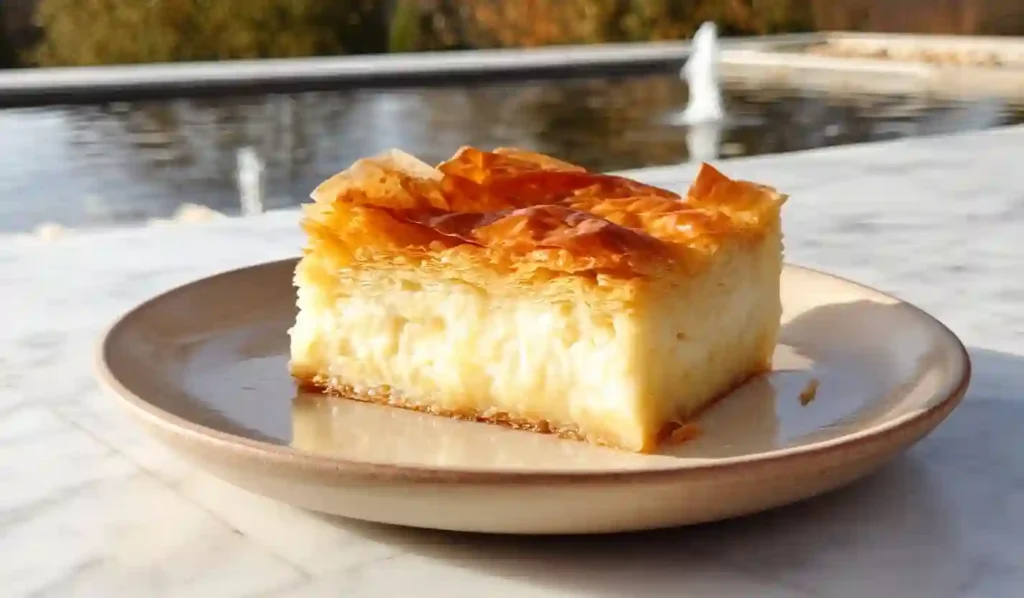
Traditional Greek dessert is more than just a sweet ending to a Mediterranean meal. It is a symbol of history, culture, and celebration deeply rooted in Greek tradition. From the sun-drenched hills of Crete to the bustling streets of Athens, every region has its signature dessert passed down through generations. These treats carry the flavors of honey, nuts, phyllo dough, and fragrant spices like cinnamon and clove, blending ancient influences with timeless culinary techniques.
In this article, we’ll take you on a flavorful journey through Greece’s dessert traditions. You’ll explore how sweets were made in ancient times, discover the most beloved Greek confections, learn how ingredients vary by region, and understand the role desserts play in weddings, holidays, and everyday life. We’ll also highlight how traditional Greek desserts have adapted to modern dietary needs and show you how to make or enjoy these delights wherever you are.
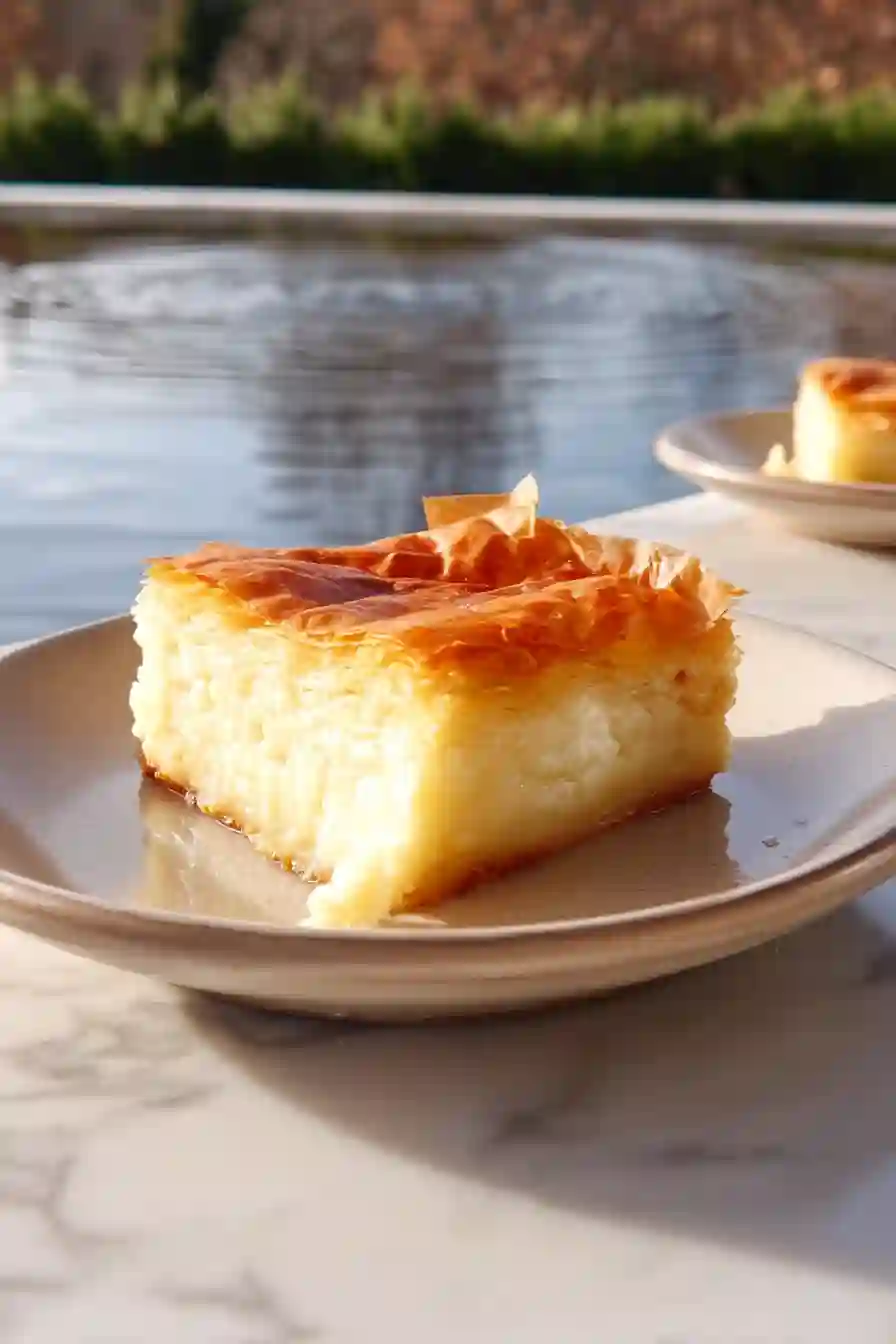
Table of Contents
The Origins of Traditional Greek Desserts
Ancient Greek Desserts and Sweeteners
Traditional Greek dessert recipes are more than just sweet treats. They are deeply rooted in the country’s religious life, festive customs, and strong sense of family. The Greek Orthodox calendar plays a significant role in shaping dessert traditions. It includes fasting periods, feast days, and sacred events that all call for specific types of confections.
Some of the most beloved examples include:
- Melomakarona, the soft, honey-drenched cookies enjoyed during Christmas.
- Koulourakia, twisted butter cookies prepared especially for Easter celebrations.
- Vasilopita, the iconic New Year’s cake with a hidden coin that brings good fortune to the person who finds it in their slice.
During Greek weddings, traditional Greek dessert selections are a vital part of hospitality. Guests are greeted with koufeta—sugar-coated almonds that symbolize both the bitterness and sweetness of married life. Families also create diples, delicate pastry layers that are fried until crisp and then drenched in honey and nuts. These symbolic sweets represent abundance, fertility, and joy.
Outside of religious contexts, Greek desserts carry profound emotional meaning. In smaller towns and villages, sharing a homemade traditional Greek dessert with visitors is an act of kindness and respect. These sweets bring people together, often sparking stories and laughter.
What makes these traditions even more special is how they’re preserved. Many recipes are passed down through generations, not from cookbooks but through experience. A grandmother might teach her granddaughter when to roll the dough or how to prepare syrup by smell and texture alone. That’s how traditional knowledge stays alive.
Iconic Traditional Greek Desserts
Baklava, Loukoumades, and Galaktoboureko
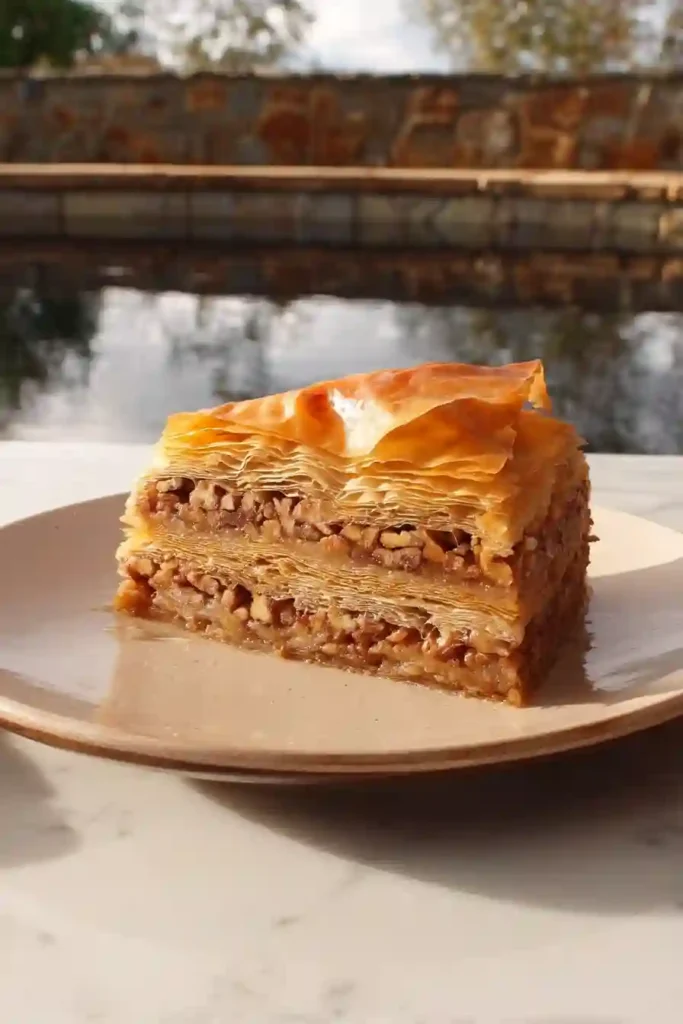
When it comes to a traditional Greek dessert, few treats are as iconic and beloved as Baklava. This multilayered pastry features delicate sheets of filo dough filled with chopped walnuts or pistachios. The layers are baked until golden and then soaked in a luscious honey or spiced syrup that brings the flavors together. With every bite, Baklava delivers crunch, sweetness, and the warm aroma of cinnamon and clove.
Loukoumades, often described as Greek honey puffs, are another classic. These bite-sized fried dough balls are crisp on the outside, soft inside, and traditionally drizzled with honey and sprinkled with cinnamon or sesame seeds. Loukoumades are a festive street food in Greece, especially during religious holidays and local fairs. They are also served at home, warm and sticky, perfect with a hot cup of Greek coffee.
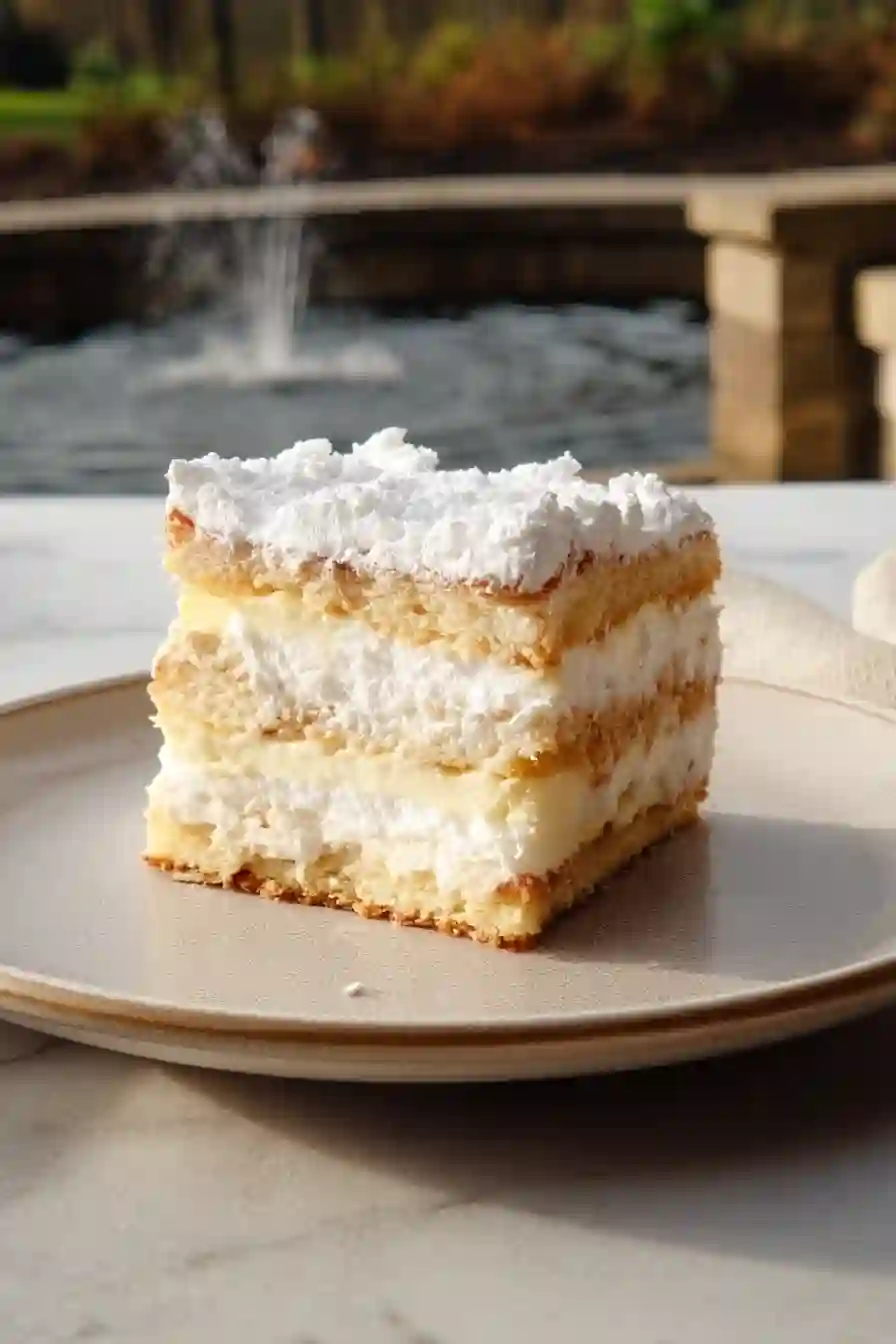
Galaktoboureko is a favorite for custard lovers. It consists of a smooth semolina custard encased in flaky phyllo pastry and topped with fragrant citrus syrup. This traditional Greek dessert is typically served cold, making it a popular choice during warmer months. Its balance of creamy and crisp textures makes it a must-try for anyone discovering Greek sweets.
Unique Local Sweets: From Ravani to Bougatsa
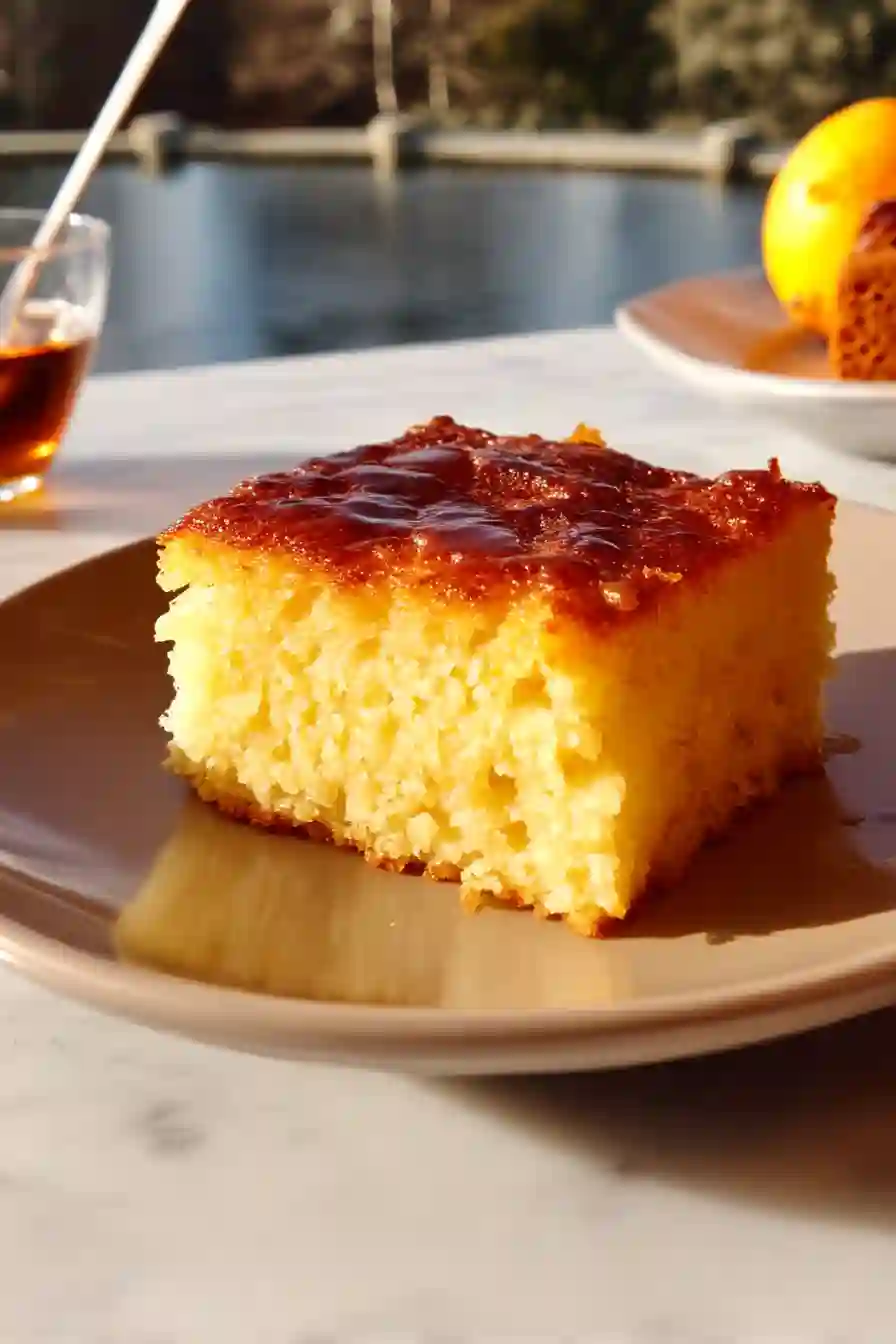
In addition to the well-known classics, the world of traditional Greek desserts offers a delightful range of regional specialties that deserve recognition. A standout among them is Ravani, also referred to as Revani. This beloved semolina cake is soaked in a light citrus-infused syrup, which gives it its signature moist and dense texture. Topped with crushed almonds or shredded coconut, Ravani is often served at family gatherings and festive events across Greece.
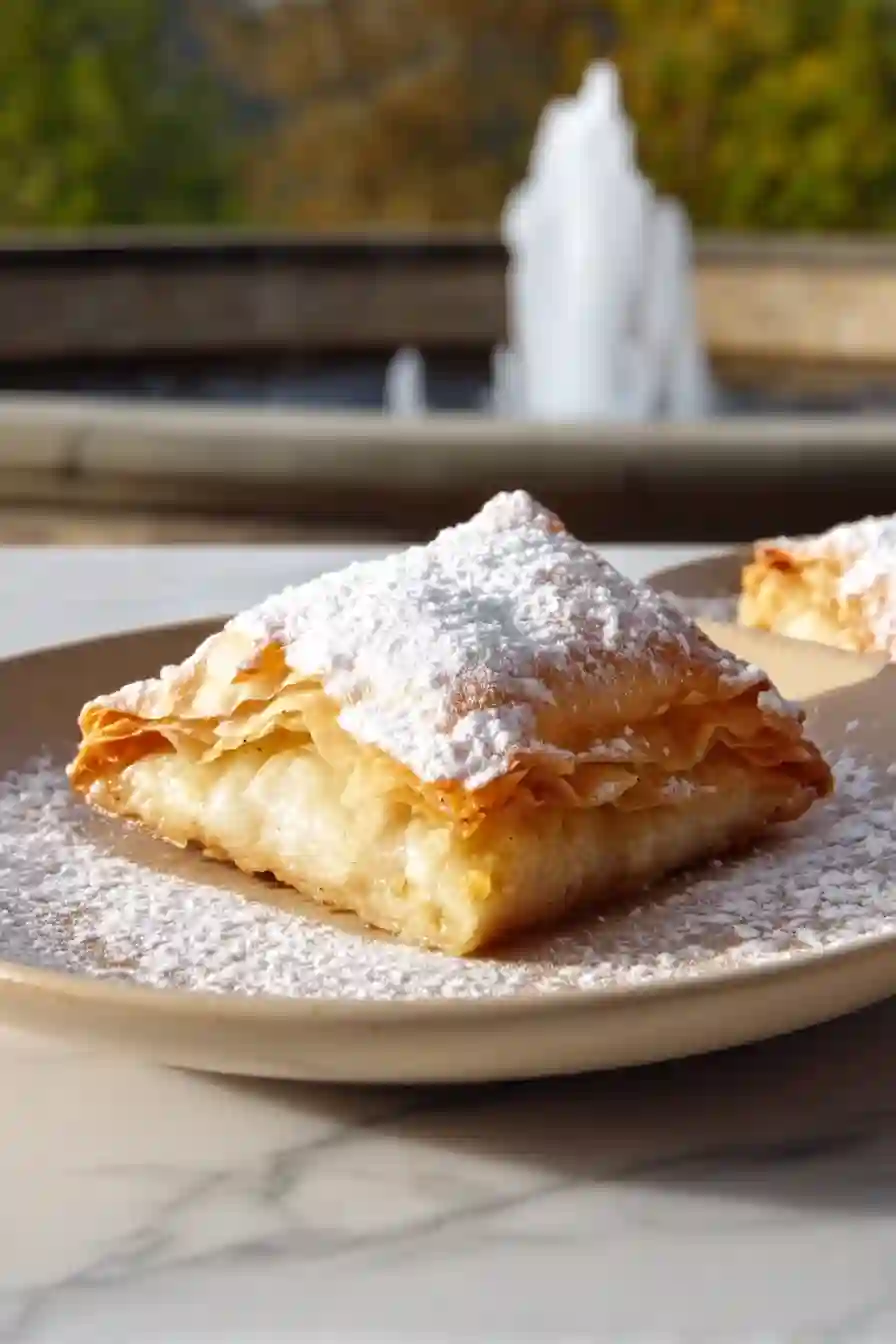
Another regional gem is Bougatsa, a multi-layered pastry made from thin, flaky filo dough. While savory versions exist, the dessert version is filled with a smooth custard and topped with a dusting of powdered sugar and cinnamon. Popularized initially in Northern Greece, Bougatsa is now a favorite breakfast or snack item found in bakeries throughout the country.
Also worth highlighting is Kataifi, a shredded filo pastry dessert with a nutty filling, usually featuring walnuts or pistachios, and soaked in a spiced syrup. Its stringy, textured exterior delivers a chewy and crispy experience that sets it apart from other filo-based sweets. You can explore how to prepare this intricate dessert in our Kataifi pastry recipe guide.
Regional favorites don’t stop there. Karithopita, a moist and aromatic walnut cake frequently accented with citrus zest or a touch of brandy, represents another cornerstone of Greek domestic baking. Then there’s Portokalopita, a moist orange pie made using crumbled filo sheets, Greek yogurt, and orange syrup. Its bold flavor and spongy texture make it a memorable addition to the traditional Greek dessert lineup.
Even though these desserts might not enjoy the same international fame as baklava, they hold a special place in the hearts of locals and visitors who crave authentic Greek flavor.
Regional Varieties Across Greece
Aegean, Crete, and Northern Greece Desserts
Greece’s geography plays a huge role in shaping its dessert traditions. The flavors and ingredients of traditional Greek dessert recipes often reflect the natural resources and cultural influences of each region.
In the Aegean islands, for example, desserts tend to be light and fruit-based. The warm climate supports citrus groves, vineyards, and fig trees, all of which influence local recipes. One everyday treat is Spoon Sweets, known as glyka tou koutaliou. These are preserved fruits served by the spoonful, often paired with a glass of water and strong Greek coffee. Each island has its own version, using local produce such as cherries, quince, or orange peel.
Over on Crete, dessert traditions lean toward simplicity and strong use of local honey, olive oil, and nuts. A traditional favorite is Kalitsounia, small pastries filled with cheese and flavored with cinnamon or orange zest. Unlike other parts of Greece, sweets here are often made without heavy syrups, focusing instead on the natural sweetness of ingredients. Crete is also famous for its use of thyme honey, which lends a distinct flavor to many of its desserts.

In Northern Greece, the dessert culture reflects more Ottoman and Balkan influence. Here you’ll find heartier sweets like Bougatsa, filled with creamy custard or even semolina. Nuts and spices are used generously, and sweets often feature semolina doughs soaked in syrup. Northern regions also tend to use more clove and nutmeg, giving their desserts a warm, spiced profile.
How Local Ingredients Shape Traditional Flavors
Every traditional Greek dessert reflects the local landscape and ingredients of its region. On the islands, citrus fruits like oranges and lemons bring a fresh, tangy note to many recipes. In mainland areas, nuts, goat milk, and herb-infused honey add warmth and richness.
Phyllo dough is used nationwide, but its fillings vary. In the north, it’s stuffed with pumpkin or raisins. In the south, almonds and cinnamon are more common. Mainland sweets often use semolina and wheat, while coastal regions lean toward fruit and yogurt-based treats.
Seasons also influence Greek desserts. Light, chilled options like Rizogalo are popular in summer. In colder months, syrupy classics like Baklava and Kataifi take center stage.
Ingredients that Define Traditional Greek Desserts
Essential Pantry Staples: Honey, Nuts, Filo, and Spices
The soul of every traditional Greek dessert lies in a few key ingredients that have been used for centuries. These ingredients not only deliver flavor but also represent the Mediterranean’s rich culinary identity.
Honey is perhaps the most iconic sweetener in Greek baking. Used since ancient times, it brings depth and aroma to cakes, cookies, and syrups. Whether drizzled over Loukoumades or soaked into Baklava, honey is a symbol of purity and Greek tradition.
Nuts such as walnuts, almonds, and pistachios are central to many desserts. They add texture, richness, and a touch of natural oiliness that balances out the sweetness. You’ll find crushed walnuts in Melomakarona, slivered almonds in Amygdalota, and ground nuts layered between filo in Baklava.
Filo dough is another essential component. This paper-thin pastry forms the base of many sweets like Galaktoboureko, Kataifi, and Saragli. Its light, flaky texture allows it to absorb syrups beautifully while staying crisp.
Traditional Greek flavors wouldn’t be complete without spices. Cinnamon and clove are used generously in cookies and syrups, while mastiha and orange zest add a unique Greek twist. Vanilla, nutmeg, and lemon peel also play supporting roles in balancing sweetness with depth.
Sourcing Ingredients: Traditional vs Modern Methods
Authentic traditional Greek dessert flavors often come from using fresh, local ingredients. In the past, families gathered their own honey, cracked fresh nuts, and rolled filo by hand.
Today, many rely on pre-made filo and packaged nuts for convenience. Although quicker, these alternatives may alter the texture and flavor.
Some home bakers now return to artisanal products like wild thyme honey, Chios mastiha, and Cretan olive oil to capture the original flavor.
Greek Desserts for Special Occasions
Weddings, Easter, and Christmas Traditions
Notable events in Greece are never complete without a traditional Greek dessert. At weddings, koufeta (sugar-coated almonds) are given to guests as symbols of unity and love. Diples, fried pastries with honey and nuts, are also popular for celebrations.
During Easter, people bake Tsoureki, a sweet bread with red eggs, and Koulourakia, butter-based cookies shaped by hand.
For Christmas, two sweets take the spotlight. Melomakarona are honey-soaked cookies with walnuts. Kourabiedes are almond shortbreads dusted with powdered sugar.
Check out our Greek holiday dessert guide for more ideas.
Symbolic Meaning in Sweets.
Greek celebration desserts often carry more profound meanings. Honey and nuts in wedding treats symbolize sweetness and prosperity. Red eggs at Easter represent renewal. Powdered sugar on Kourabiedes reflects purity and joy.
How Traditional Greek Desserts Are Made Today
Classic Recipes Passed Down Generations
Many traditional Greek dessert recipes still begin in the same way they did decades ago—with guidance from a yiayia (grandmother). In Greek homes, these desserts are not just baked from cookbooks but are taught through hands-on experience. A grandmother might show how to stretch filo dough thin enough to see through or explain when the syrup is “just right” by the way it coats a spoon.
Even with modern appliances, these time-tested techniques remain central. Families still gather to bake Melomakarona during the holidays or prepare Loukoumades for name days and festivals. What makes these sweets special is the memory and emotion behind them, not just the flavor.
Modern Twists on Timeless Treats
While tradition is cherished, modern bakers have started adding new spins to classic desserts. Plant-based Baklava recipes now substitute olive oil for butter. Gluten-free Revani is made with almond flour. Creative chefs are even adding flavors like chocolate or coffee to custard-based treats like Galaktoboureko.
Urban bakeries in Athens and abroad often reinvent presentation styles, serving mini versions or deconstructed platings of traditional recipes. Despite the updates, the heart of each dessert remains the same.
Nutritional Value and Dietary Adaptations
Are Traditional Greek Desserts Healthy?
Many traditional Greek dessert options use natural, wholesome ingredients. Staples like honey, nuts, olive oil, and semolina provide more than just flavor. They contribute healthy fats, fiber, and essential nutrients.
For example, Baklava includes walnuts and pistachios, both known for heart-friendly benefits. Rizogalo, a creamy rice pudding, is made with simple ingredients like milk and cinnamon. Even Halva, though sweet, is often dairy-free and made with olive oil, giving it a healthier profile.
That said, portion control matters. Many Greek sweets are rich and high in sugar or syrup, but they’re usually served in small sizes, making them easier to enjoy in moderation.
Vegan, Gluten-Free, and Low-Sugar Options
Greek desserts have adapted over time to fit modern dietary needs. Many are naturally free of animal products, especially those served during fasting periods.
Vegan recipes often use olive oil instead of butter and plant-based milk in custards. Halva and Koulourakia can be made entirely vegan without sacrificing taste.
For those avoiding gluten, flours like almond or cornmeal work well in cakes like Karithopita. Spoon sweets, made from preserved fruit, are also gluten-free and dairy-free by nature.
When reducing sugar, natural alternatives such as honey or stevia help maintain flavor without overwhelming sweetness.
Cultural Impact and Global Popularity
Global Reach of Traditional Greek Dessert Recipes
Traditional Greek dessert recipes have gained international popularity thanks to Greek communities and cultural events worldwide. Sweets like Baklava, Kourabiedes, and Loukoumades are now enjoyed far beyond Greece, found in bakeries and restaurants across the United States, Australia, and Europe.
Many chefs are reimagining these desserts with modern twists, using local ingredients while preserving classic flavors. Still, the essence of these treats—filo pastry, nuts, honey, and aromatic spices—remains unchanged.
Cultural Significance in Tradition and Media
Sweets have always played a symbolic role in Greek culture. In ancient times, honey was considered sacred and used in religious offerings. That tradition carries on today in the desserts served at weddings, holidays, and family events.
In popular media, Greek desserts often appear in travel shows and food documentaries, highlighting their rich history and Mediterranean roots. They are symbols of celebration, comfort, and hospitality.
How to Experience Traditional Greek Desserts
Best Places in Greece to Taste Traditional Flavors
The most authentic way to enjoy a traditional Greek dessert is to try it in its place of origin. Local bakeries across Greece offer a fantastic variety of regional specialties. In Athens, small patisseries serve freshly baked Galaktoboureko, while in Crete, locals enjoy sweet cheese pastries called Kalitsounia. In Thessaloniki, crispy custard-filled cones known as Trigona are a hometown favorite.
Street vendors also offer traditional treats such as Loukoumades, served warm with honey and cinnamon. During holidays and festivals, families often make large trays of Melomakarona or Kourabiedes to share with guests and neighbors.
Making Traditional Sweets in Your Own Kitchen
You don’t need to be in Greece to experience these iconic flavors. Many traditional Greek desserts can be made at home using common ingredients like filo dough, honey, nuts, and semolina. Simple dishes such as Rizogalo or Portokalopita are beginner-friendly and perfect for trying Greek flavors.
If you enjoy baking, you can also prepare more complex recipes like Baklava or Saragli, which offer the classic syrup-soaked taste that defines so many Greek sweets. Even preserved fruit desserts like spoon sweets are easy to prepare and store.
Frequently Asked Questions
What is the most traditional Greek dessert?
One of the most iconic and widely recognized traditional Greek desserts is Baklava. Made with layers of thin filo pastry, crushed nuts, and sweet syrup or honey, it represents the rich flavors and textures found in many Greek sweets. Other popular choices include Loukoumades, Galaktoboureko, and Melomakarona.
What did the ancient Greeks have for dessert?
Ancient Greeks didn’t have sugar, so their desserts were naturally sweetened with honey, fruits like dates and figs, and nuts. Simple cakes such as Plakous, made with flour, olive oil, and honey, were common. These early desserts laid the foundation for many recipes still used in traditional Greek dessert culture today.
What is the traditional dessert at Greek weddings?
At Greek weddings, Koufeta (sugar-coated almonds) are the most symbolic dessert, representing the bittersweet nature of marriage. Diples, fried dough folded into ribbons and drizzled with honey and nuts, are also commonly served to wish the couple prosperity and joy.
Is there a Greek god of desserts?
While there isn’t a specific Greek god of desserts, sweets were often connected to gods like Demeter, the goddess of agriculture, and Aphrodite, associated with pleasure and beauty. Honey, a key element in many traditional Greek desserts, was considered a gift from the gods and used in offerings during ancient rituals.
