

Greek Christmas and Easter Desserts are more than festive treats. They are symbols of joy, faith, and togetherness. These traditional sweets have been passed down through generations, filling homes with warmth, love, and the sweet scent of spices. From braided sweet breads to honey-drenched cookies, every dessert tells a story. In this article, we’ll explore the traditions, symbolism, and flavours that make these holiday treats unforgettable. Whether celebrating with family or discovering new recipes, this guide to Greek Christmas and Easter Desserts will inspire you to taste and share something truly special.
Introduction to Greek Christmas and Easter Desserts
Greek holiday traditions and their link to desserts
In Greece, desserts are not just the final course of a meal. They are woven into the very fabric of holiday celebrations. Greek Christmas and Easter Desserts play a significant role in festive traditions, blending faith with flavour. These sweets are prepared carefully, often in large batches, and shared with family, neighbours, and guests. Baking becomes a spiritual and social ritual during these times.
The Orthodox calendar guides the rhythm of these festive occasions. Periods of fasting lead up to Easter and Christmas, making the sweet treats at the end all the more meaningful. Homes come alive with the smell of warm spices, roasted nuts, and fresh dough. Families unite in the kitchen, crafting desserts and cherished memories across generations.
Why desserts play a major role in religious celebrations
Desserts in Greek religious celebrations hold significance far beyond their flavour. Every ingredient and recipe has a purpose. Honey, a key component in many Greek Christmas and Easter Desserts, represents hope, abundance, and blessings. Nuts symbolise prosperity and unity. Cinnamon and cloves infuse a cosy warmth, reminiscent of church incense.
Easter desserts such as Tsoureki and Koulourakia celebrate renewal and resurrection. During Christmas, favourites like Melomakarona and Kourabiedes fill tables as tokens of joy and giving. These sweets are not only enjoyed by families. Still, they are also gifted to friends, neighbours, and even strangers as part of the season’s hospitality.
Preparing these desserts is a deeply rooted tradition that brings meaning to every celebration. They offer more than flavour — they connect people through shared heritage and values.
The Significance of Sweets in Greek Easter and Christmas
Symbolism of Easter sweets in Greek Orthodoxy
In Greek tradition, Easter is a profoundly spiritual event, with desserts carrying special significance. These treats are more than traditions—they symbolise life, renewal, and faith.
Tsoureki, a sweet, braided bread, often includes a red egg at its centre, representing rebirth. The bread’s aromatic spices, like mahleb and mastiha, reflect centuries of Orthodox symbolism. Alongside it, Koulourakia cookies, twisted into loops or braids, are baked during Holy Week. Their shapes represent continuity and togetherness.
These recipes are passed down through generations and are often prepared as family activities during Easter. The act of baking becomes a way to honour heritage and share joy.
Cultural meaning behind Christmas desserts in Greek homes
At Christmas, dessert-making is central to the season’s celebrations. Cookies and sweets are prepared in generous batches to serve and share with loved ones.
Melomakarona, tender cookies drenched in honey and sprinkled with walnuts, are crafted to bring sweetness and blessings to the household. Kourabiedes, dusted in powdered sugar, are almond-based and symbolise peace and new beginnings.
These sweets are offered to guests and given as gifts, reinforcing values of generosity and hospitality. Across Greece, families take pride in preparing and presenting holiday treats that reflect warmth, unity, and tradition.
Greek Christmas and Easter Desserts bring flavour and meaning to these cherished seasons, uniting families through every bite.
Must-Try Traditional Greek Easter Desserts
Tsoureki: Sweet bread full of Easter symbolism
Among the most iconic Greek Christmas and Easter Desserts is Tsoureki, a soft, fragrant bread with deep religious symbolism. Its braided form often represents the Holy Trinity. At the same time, the red egg at its centre signifies Christ’s resurrection and new life. This bread is more than just a treat. It’s a spiritual tradition observed by families across generations.
Flavoured with mahleb and mastiha, Tsoureki fills Greek homes with warm aromas during Holy Week. It’s typically prepared on Holy Thursday and enjoyed after the midnight Easter service. Some serve it with butter or marmalade, while others prefer fresh and warm straight from the oven. Whether eaten at breakfast or shared at the Easter table, Tsoureki marks the joyful end of Lent.
The process of baking Tsoureki also brings people together. It’s common for families to gather in the kitchen, kneading dough and telling stories passed down from grandparents. These moments of shared effort and memory are part of what makes Greek Christmas and Easter Desserts so culturally rich.
Koulourakia: Easter Cookies That Celebrate Tradition and Togetherness
Koulourakia are classic butter cookies that appear on nearly every Easter table in Greece. Lightly sweet and often flavoured with orange or vanilla, they are shaped into braids or twists and brushed with egg wash for a golden finish.
These cookies are usually baked on Holy Thursday and stored for the entire weekend. Served with coffee, they are offered to guests during Easter visits and reflect the Greek tradition of warm hospitality.
Koulourakia are more than just cookies. Their braided shapes symbolise eternity and unity, values at the heart of Greek family life. The recipe may vary slightly by region, but the meaning remains.
As with many Greek Christmas and Easter Desserts, making Koulourakia is a family tradition. Everyone takes part, from kneading dough to shaping each piece. This shared experience turns a simple recipe into a meaningful memory.
From their taste to their symbolism, Greek Christmas and Easter Desserts like Koulourakia continue to preserve culture and bring loved ones together.
Most Loved Greek Christmas Desserts
Melomakarona: Honey-soaked holiday cookies
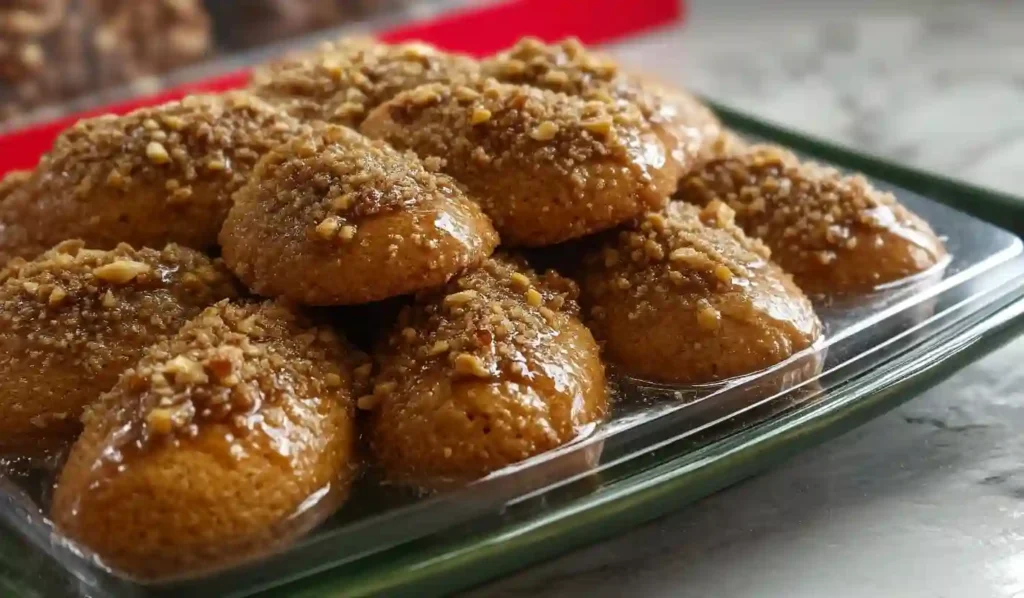
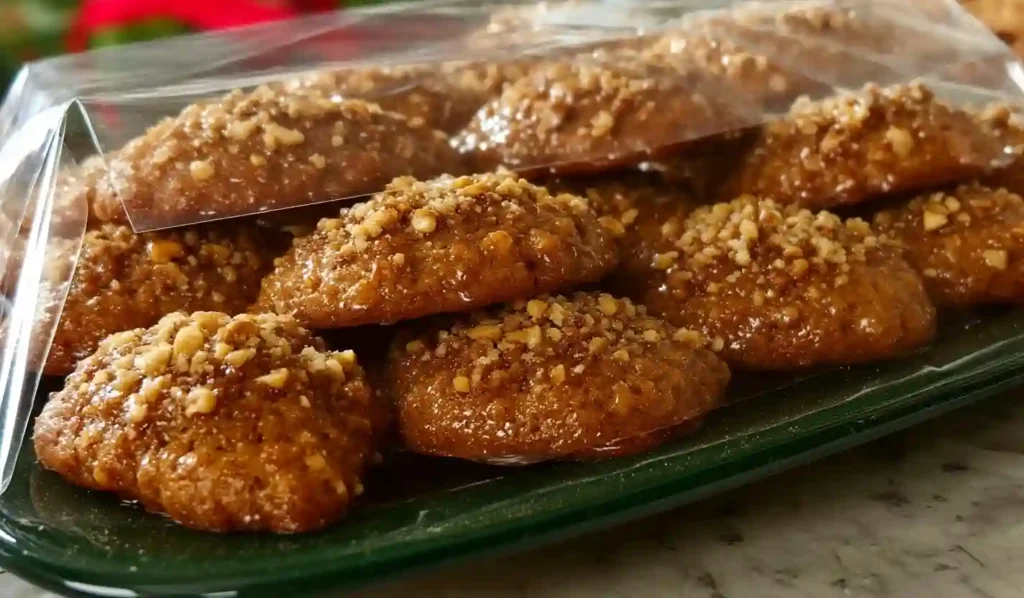
During the Christmas season, Melomakarona are a must on every Greek dessert table. These cookies are made with olive oil, orange juice, and warm spices like cinnamon and clove. After baking, they are dipped in honey syrup and topped with crushed walnuts for added texture.
Melomakarona are more than just cookies. They represent generosity and celebration. Their honey coating brings sweetness and good fortune into the new year. Families typically prepare them in large quantities before Christmas, storing them in tins or sharing them with neighbours and friends.
Their rich aroma and soft texture make them one of the most loved Greek Christmas and Easter Desserts. Served with coffee or offered after dinner, they help create a warm and inviting holiday atmosphere.
Kourabiedes: Sugar-dusted cookies with almond crunch
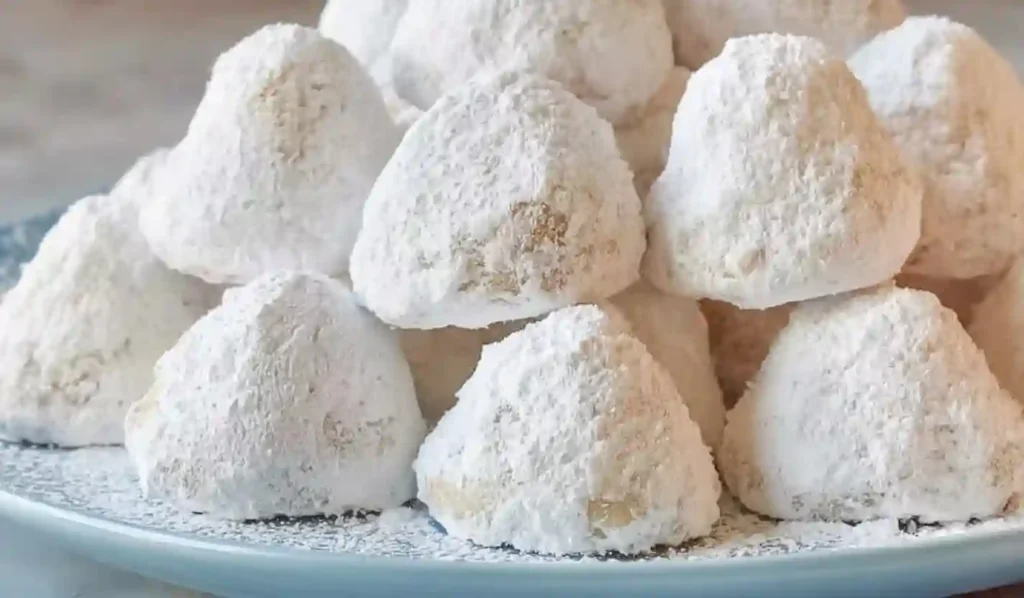
Another holiday favourite is Kourabiedes, almond shortbread cookies covered in powdered sugar. Their snowy white appearance perfectly fits the winter season, while their buttery texture melts in your mouth.
These cookies are shaped by hand and baked just before Christmas. Once cooled, they’re generously dusted with sugar and placed on festive trays. The powdered sugar represents purity and peace, themes tied to the holiday season.
Kourabiedes are a tradition passed through generations. Families prepare them together, storing them in decorated tins and sharing them with guests. Like other Greek Christmas and Easter Desserts, they are more than sweets—they reflect connection, culture, and holiday spirit.
Famous Year-Round Greek Desserts That Shine During Holidays
Baklava: A classic served on festive tables
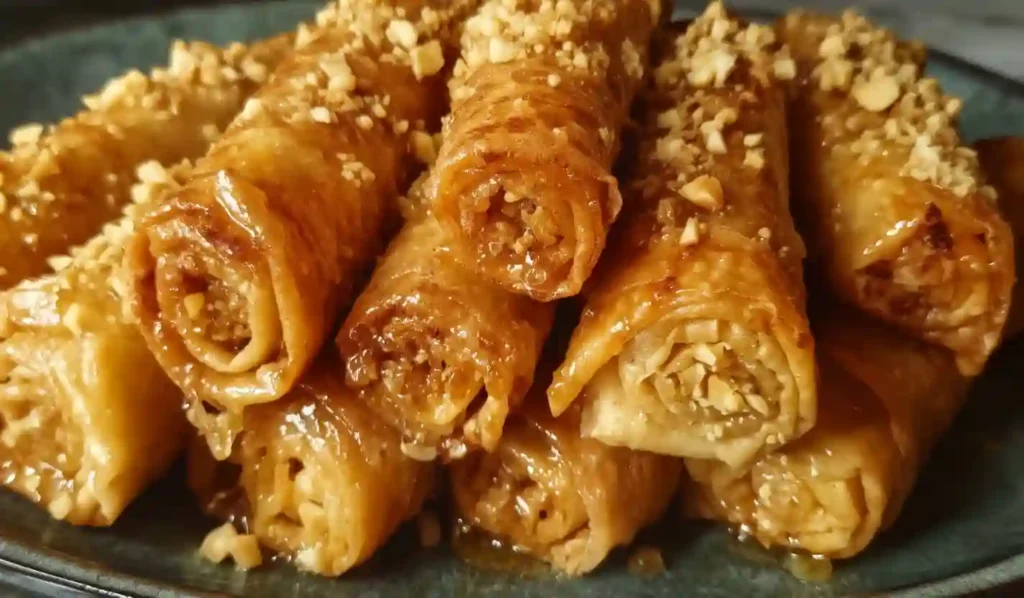
Baklava is a dessert enjoyed yearly in Greece, but it becomes extra special during Easter and Christmas. With layers of phyllo, spiced nuts, and honey syrup, it’s both rich and festive. Many families bake it in large trays, slice it into diamonds, and serve it with coffee after holiday meals.
Baklava stands out among Greek Christmas and Easter Desserts because it’s tied to generosity and hospitality. Whether served on a platter or gifted to neighbours, it brings warmth to every table.
Galaktoboureko: Cream-filled comfort
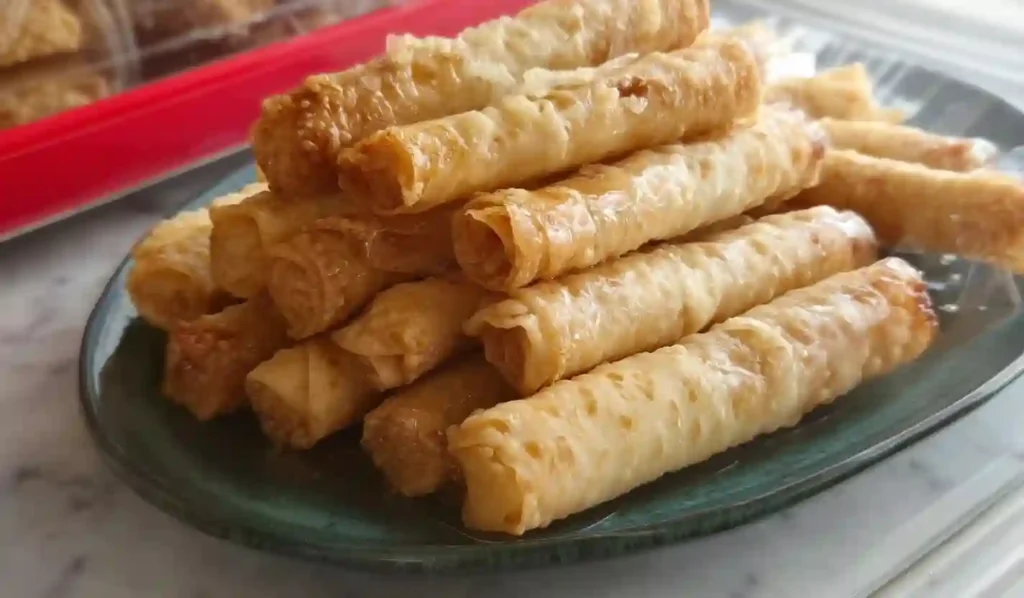
Galaktoboureko is another holiday favourite. It features creamy custard baked in phyllo and topped with lemon syrup. Its soft filling and crisp layers make it perfect for Christmas or Easter gatherings.
Though simple ingredients, it reflects the care in many Greek Christmas and Easter Desserts. Whether served warm or cold, it adds a comforting touch to the dessert table.
Regional and Island Variations of Holiday Desserts
Northern Greece: Richer flavors and hearty textures
In Northern Greece, holiday desserts are known for their bold flavours and rustic textures. Areas like Macedonia and Epirus commonly prefer walnut-stuffed sweets, honey-based syrups, and rich spice blends. One popular Easter treat in this area is “karydopita,” a walnut cake drenched in syrup and served cold.
For Christmas, locals often prepare heavier cookies or nut pies alongside classics like Melomakarona. The colder weather influences dessert choices, with recipes leaning toward denser, warming ingredients.
These northern traditions bring depth and richness to the variety of Greek Christmas and Easter Desserts enjoyed across the country.
The Islands: Lighter sweets and citrus notes
On the islands, desserts often reflect the lighter climate and use more citrus, almonds, and fresh cheeses. In Crete, “kalitsounia” are delicate pastries filled with sweet mizithra cheese and enhanced with cinnamon or honey.
These are often baked fresh for Easter morning and served with strong coffee.
In the Cyclades and Dodecanese, locals bake sweets flavoured with orange blossom water or lemon peel. Island versions of Kourabiedes and Melomakarona tend to be lighter and more aromatic than their mainland counterparts.
These regional differences add exciting variety to the broader world of Greek Christmas and Easter Desserts, proving that tradition can be deliciously diverse.
Regional identity in every bite
Every part of Greece puts its own spin on holiday treats. Whether shaped by climate, local produce, or long-held customs, these desserts tell a story. From the hearty walnut sweets of the north to the citrus-kissed pastries of the islands, each recipe reflects regional pride and family tradition.
As a whole, Greek Christmas and Easter Desserts offer more than sweetness—they connect generations and celebrate the rich culture in every corner of Greece.
Modern Twists on Traditional Greek Desserts
Creative updates on classics
Many Greek families continue to bake traditional desserts during the holidays, but modern versions are gaining popularity. Some people now dip Melomakarona in dark chocolate or stuff them with dates or nuts. These small changes add bold flavour while keeping the recipe’s core intact.
Kourabiedes are also evolving. Instead of the usual round shape, bakers now mould them into stars or trees. Some swap almonds for pistachios or use citrus zest to create a more vibrant taste.
These upgrades allow younger generations to explore Greek Christmas and Easter Desserts in new, exciting ways.
Lighter ingredients and diet-friendly versions
As diets shift, bakers are making desserts with healthier ingredients. Butter is replaced with olive oil, and refined sugar is often swapped for honey or maple syrup. Some even bake Galaktoboureko using plant-based milk and cornstarch to keep it dairy-free.
These adaptations help people enjoy traditional flavours while meeting modern needs. Gluten-free Baklava made with alternative doughs is another growing trend.
Despite the changes, the heart of Greek Christmas and Easter Desserts remains the same. Whether traditional or modern, each version continues to bring comfort and celebration to holiday tables.
Dessert Presentation and Serving Traditions
Setting the holiday dessert table
In Greek homes, how a dessert is presented matters almost as much as how it tastes. During Christmas and Easter, sweets are arranged on decorated trays or in festive tins lined with paper doilies. Desserts like Kourabiedes and Melomakarona are often stacked in pyramids. At the same time, syrupy items like Baklava are placed in neat rows.
Greek families take pride in serving sweets to guests after church services or holiday meals. It is common for the dessert table to be separate from the main dining area, creating a space just for treats and conversation.
These traditions help elevate the meaning behind Greek Christmas and Easter Desserts, turning simple recipes into treasured experiences.
Serving customs that connect generations
Beyond appearance, serving dessert carries profound cultural significance.
Children are often asked to offer treats to older relatives first. Desserts are nearly always accompanied by coffee or sweet wine. This small ritual reflects respect, community, and the joy of giving.
Families sometimes prepare individual plates with a small sample of each dessert, especially when entertaining large groups. This approach ensures that everyone gets a taste of each holiday favourite.
These customs contribute to the long-standing appreciation for Greek Christmas and Easter Desserts. From the placement on the table to the order of serving, every step reflects connection and care.
These traditions continue to make desserts more than just food. They represent a deeper link between culture, family, and celebration.
Symbolism and Cultural Meaning of Greek Holiday Desserts
Sweet traditions with deeper meaning
Holiday desserts in Greece are made with more than just flavour in mind. Many carry meanings tied to love, luck, and spiritual values. For example, the twisted shape of Koulourakia is said to represent eternity or unity, making it a perfect fit for Easter gatherings.
Melomakarona, crafted with honey and walnuts, are frequently associated with happiness and prosperity. Each ingredient and shape plays a part in expressing a message or belief, which adds to the importance of these desserts during religious holidays.
This is why Greek Christmas and Easter Desserts are much more than food. They tell stories and preserve cultural values.
Recipes that connect generations
Many Greek families use recipes passed down from grandparents or great-grandparents. These are shared during Christmas or Easter baking sessions, making the kitchen a connection space.
Children learn how to fold, roll, and shape these treats, while older family members share stories from the past. These small acts keep traditions alive and bring deeper meaning to the celebration.
The emotional connection behind Greek Christmas and Easter Desserts makes them timeless. They bring families closer and help pass on cultural identity through each bite.
FREQUENTLY ASKED QUESTIONS
What is the traditional Greek dessert for Easter?
The most common Easter dessert in Greece is Tsoureki, a sweet, soft bread flavored with mahlab and orange zest. It’s often braided and topped with red-dyed eggs, symbolizing rebirth and the Resurrection. This dessert is usually served after the Easter fast as a joyful end to Holy Week.
Tsoureki plays a central role in the lineup of Greek Christmas and Easter Desserts, especially during the spring holiday.
What is the most traditional Christmas dessert in Greece?
Melomakarona is the signature dessert for Christmas in most Greek households. These cookies are made with olive oil, orange juice, and warm spices, then soaked in honey syrup and finished with chopped walnuts. They are enjoyed throughout December and shared with guests during family gatherings.
Melomakarona perfectly reflect the generosity and warmth tied to Greek Christmas and Easter Desserts.
What is the famous Greek dessert?
Baklava is arguably the most famous Greek dessert worldwide. Made with thin layers of phyllo pastry, crushed nuts, cinnamon, and sweet syrup, it’s enjoyed on many occasions, especially during holidays. Its rich, sweet flavor makes it a dessert that stands out.
Though available year-round, Baklava remains a highlight among Greek Christmas and Easter Desserts.
What is traditional Greek Easter food?
Easter meals often begin with Magiritsa, a lemony lamb offal soup served after midnight church. The main course typically features roast lamb or goat, often cooked on a spit or in the oven. These savory dishes are followed by sweet items like Tsoureki and Koulourakia, continuing the celebration with comforting, meaningful desserts.
