

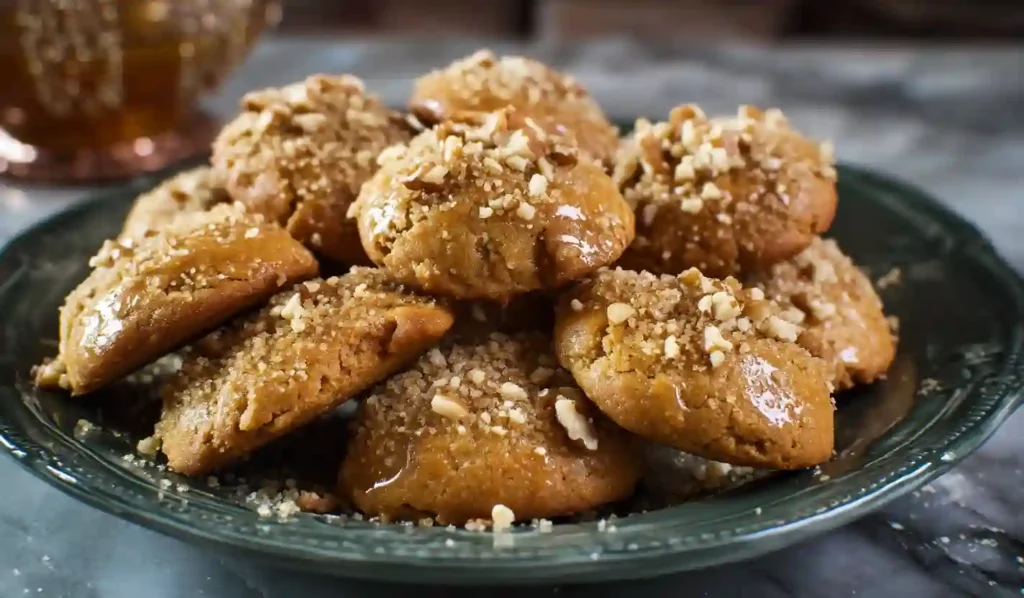
Gluten-Free Greek Desserts offer the perfect combination of tradition and modern dietary needs. Whether managing celiac disease or simply trying to avoid gluten, you don’t have to give up the rich, comforting flavors of Greek cuisine. These desserts are filled with naturally gluten-free ingredients like honey, nuts, citrus, and warm spices that feel indulgent and safe to enjoy.
At TastyJoyful, I aim to make cooking easy, joyful, and inclusive. I’m thrilled you’re here. If you’ve been searching for reliable, flavorful gluten-free Greek desserts, you’ll love what follows. These recipes bring sweet memories to life without the gluten.
Dessert has always been a source of connection in my life. I learned to bake at home with my mom and grandmother, building traditions one spoonful at a time. After being diagnosed with celiac disease, I made it my mission to recreate those beloved treats as gluten-free Greek desserts that didn’t sacrifice flavor or heritage.
My gluten-free Greek honey cake was born from a craving for baklava. I missed the sticky, spiced richness of syrup-drenched nuts but couldn’t find gluten-free phyllo anywhere. Instead, I created a buttery walnut cake soaked in spiced honey syrup. It’s easy, comforting, and full of the same joyful flavors I grew up with.
Initially developed for Rosh Hashanah, the honey cake became a year-round favorite. It showed me that gluten-free Greek desserts don’t have to be complicated. With the right ingredients and a little heart, you can enjoy the same traditions and feel-good flavors without compromising your health.
Whether you’re new to gluten-free baking or looking to revive childhood favorites, this guide is for you. Inside, you’ll discover authentic recipes, modern swaps, and tips for baking and buying gluten-free Greek desserts that everyone will love, no matter their dietary needs.
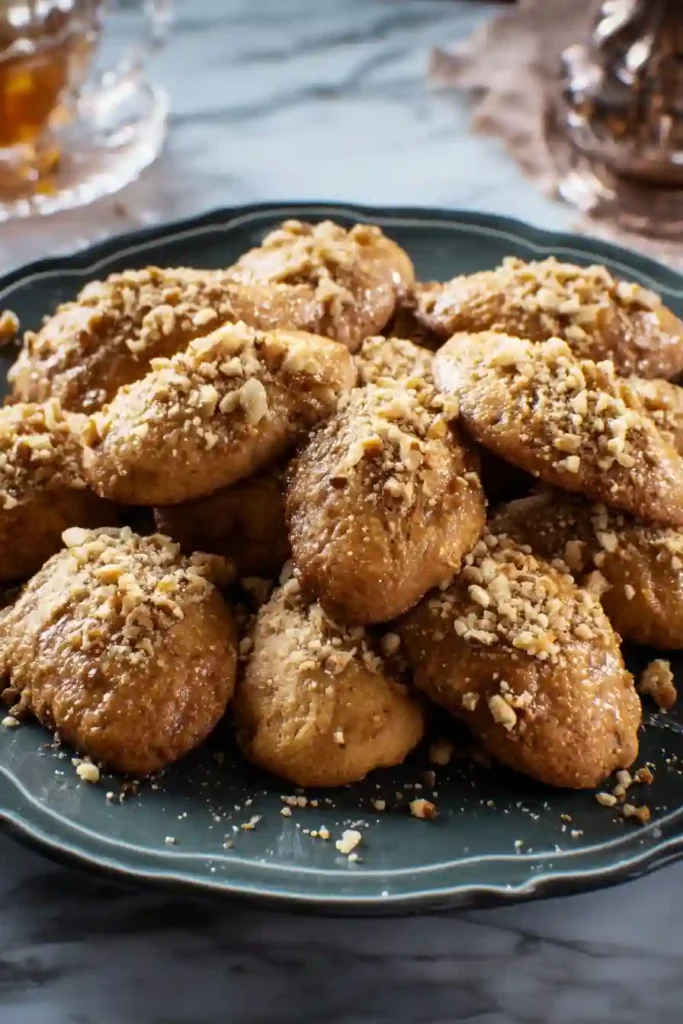
Table of Contents
Introduction to Gluten-Free Greek Desserts
What Makes a Dessert Gluten-Free
In its simplest form, a gluten-free dessert is one that contains no gluten—a protein found in wheat, barley, and rye. For those living with celiac disease or gluten intolerance, consuming gluten can cause serious health issues. That’s why using safe, verified ingredients is the cornerstone of gluten-free Greek desserts.
Baking gluten-free doesn’t mean giving up taste or texture. In fact, many Greek sweets use ingredients that are naturally free from gluten. These include almond flour, coconut flour, rice flour, or certified gluten-free flour blends. Each of these substitutes provides a solid base while allowing the true flavors of Greek desserts—like citrus, honey, and warm spices—to shine through.
To ensure your recipe remains truly gluten-free, always check for hidden sources of gluten in flavorings, thickeners, and even baking powder. Baking from scratch with fresh, whole ingredients is often the best and safest choice.
Naturally Gluten-Free Ingredients in Greek Sweets
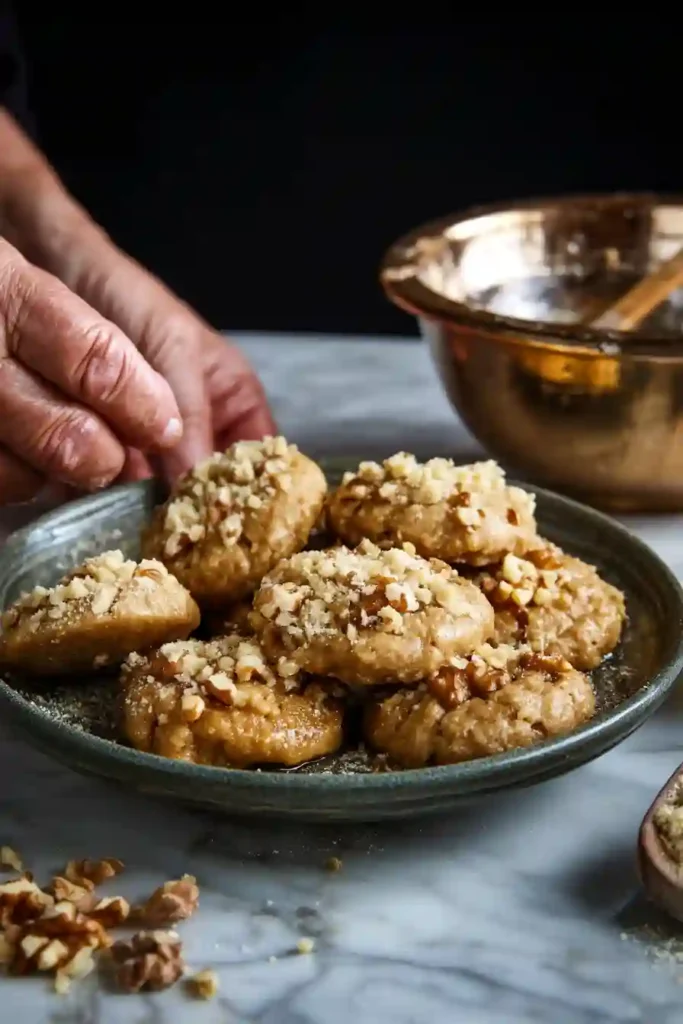
One of the best parts about Greek desserts is how many of their core ingredients are naturally gluten-free. Honey is at the heart of many recipes, adding sweetness and depth. Nuts like almonds, walnuts, and pistachios add a crunchy texture and rich flavor. Citrus zest from oranges or lemons brings brightness, while spices like cinnamon and cloves add warmth. Dairy products or dairy-free alternatives create creamy elements in puddings or custards. When these ingredients are combined thoughtfully, they can produce desserts that are every bit as authentic and satisfying as their traditional counterparts.
The Gluten-Free Greek Honey Cake Recipe
Why This Cake Stands Out Among Gluten-Free Greek Desserts
The Gluten-Free Greek Honey Cake celebrates everything people love about Mediterranean sweets. It delivers the sticky sweetness of baklava without the challenge of working with filo pastry. The combination of tender cake, crunchy walnuts, fragrant citrus, and a warm spiced honey syrup creates a dessert that feels both comforting and elegant. It is perfect for celebrations yet simple enough for an everyday treat.
Ingredients You Will Need
To make this cake, start with a high-quality gluten-free flour blend with xanthan gum for structure. You will also need baking powder, salt, cinnamon, unsalted butter, white sugar, eggs, milk or a dairy-free alternative, fresh orange zest, and chopped walnuts. For the spiced honey reduction, gather honey, white sugar, water, fresh lemon juice, more orange zest, and a cinnamon stick. Each ingredient plays a role in building layers of flavor and texture.
Preparing the Cake Batter
To begin, mix the gluten-free flour blend, baking powder, salt, and cinnamon in a medium bowl, ensuring the dry ingredients are evenly combined. In another large bowl, whip the butter and sugar together until the mixture looks pale and feels fluffy. Crack the eggs one at a time, blending thoroughly after each addition so the batter stays smooth. Gently fold the chopped walnuts using a spatula to maintain a fluffy batter. Slowly work the dry mixture into the wet mix quickly until everything comes together without overmixing. Mix the milk and freshly grated orange zest to infuse a vibrant, citrusy note. This step lays the foundation for one of the most flavorful Gluten-Free Greek Desserts you can create in your kitchen.
Baking This Gluten-Free Greek Dessert to Perfection
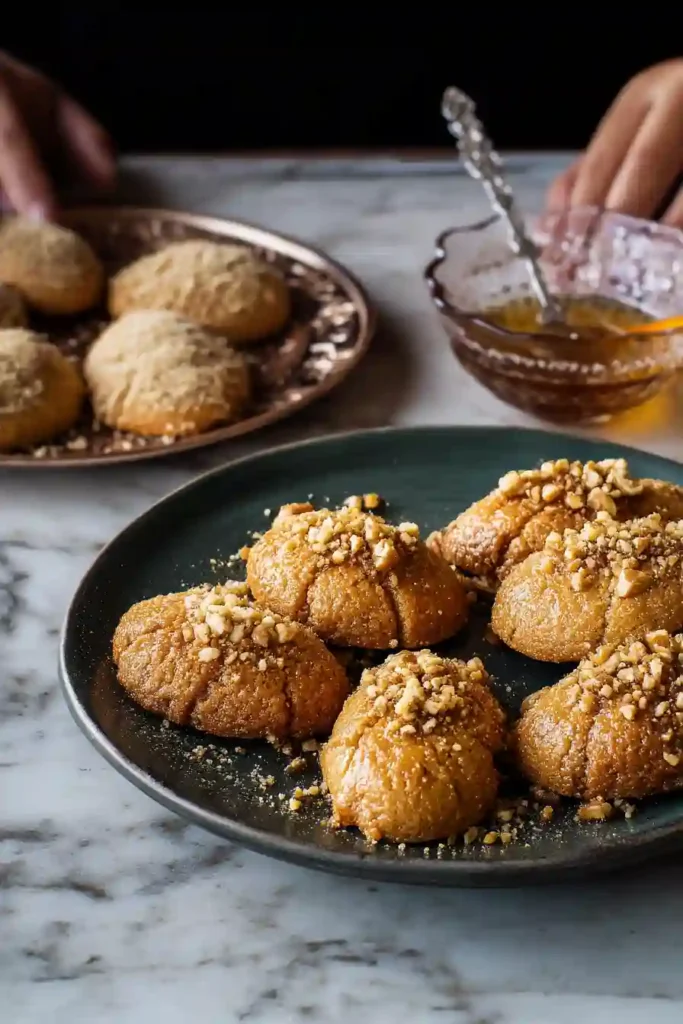
Prepare a nine-inch square baking pan by lining it with parchment paper and lightly greasing it. Spread the batter evenly and bake at 350 degrees Fahrenheit for about twenty to twenty-five minutes, until golden on top and set in the center. Let the cake cool slightly before cutting it into neat squares or diamonds. This careful step ensures your Gluten-Free Greek Desserts stay moist and tender.
Creating the Spiced Honey Reduction
As the cake bakes, make the syrup that gives this dessert its signature flavor. In a saucepan over medium heat, stir together honey, sugar, and water until smooth. Add lemon juice, orange zest, and a cinnamon stick. Bring to a gentle boil, then simmer for fifteen minutes until slightly thickened. Cool to room temperature. This syrup is the sweet essence of many classic Gluten-Free Greek Desserts.
Serving Suggestions for Your Gluten-Free Greek Honey Cake
For a rich and indulgent result, pour the syrup over the warm cake so it soaks in completely. For a lighter finish, drizzle over individual slices just before serving. Top with chopped walnuts, fresh orange zest, or whipped cream. Every bite confirms why this recipe is a favorite among Gluten-Free Greek dessert lovers.
Other Delicious Gluten-Free Greek Desserts to Try
Almond Cookies (Amygdalota)
Amygdalota are soft and chewy almond cookies made with almond flour, sugar, and egg whites. They are naturally gluten-free and carry a delicate nutty flavor. Often flavored with citrus or rose water, they are perfect for pairing with coffee or tea. Their simplicity and elegance make them a favorite among lovers of Gluten-Free Greek Desserts.
Greek Rice Pudding (Rizogalo)
Rizogalo is a creamy Greek rice pudding simmered with milk, sugar, and a hint of vanilla or cinnamon. As it uses rice in place of wheat, this dessert is naturally gluten-free. This dessert is often served warm in cooler months and chilled during summer, proving that Gluten-Free Greek Desserts can be enjoyed year-round.
Yogurt with Honey and Walnuts
A classic and healthy choice, Greek yogurt topped with golden honey and crunchy walnuts is satisfying and nutrient-rich. It contains no gluten and is quick to assemble, making it ideal for a light dessert or breakfast. The combination of creamy yogurt, sweet honey, and toasted nuts reflects the heart of traditional Gluten-Free Greek Desserts.
Melomakarona Without Wheat Flour
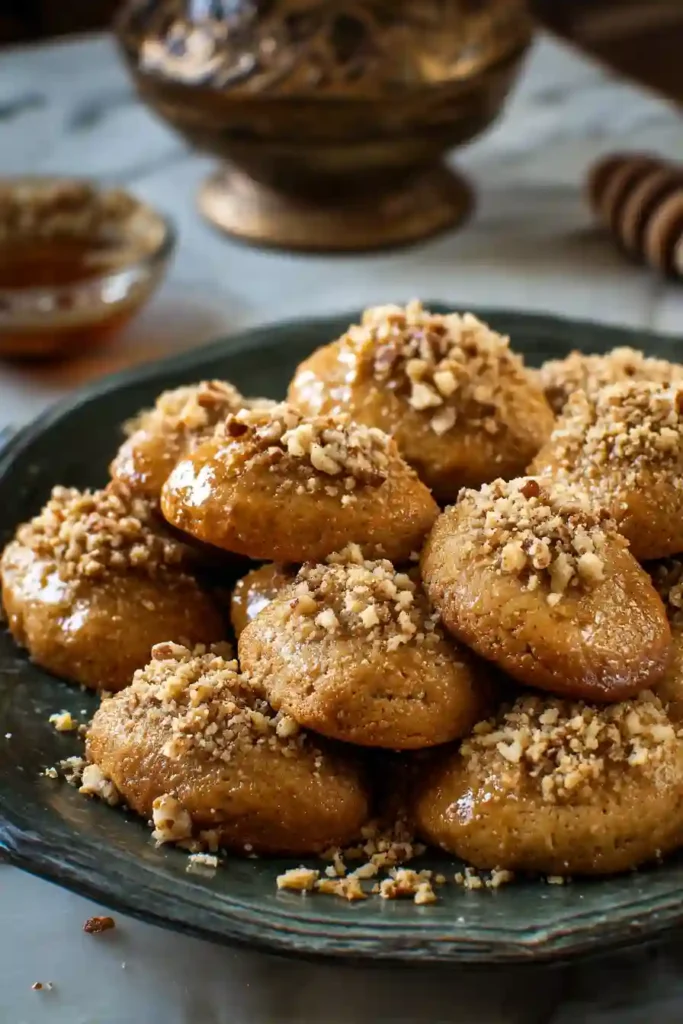
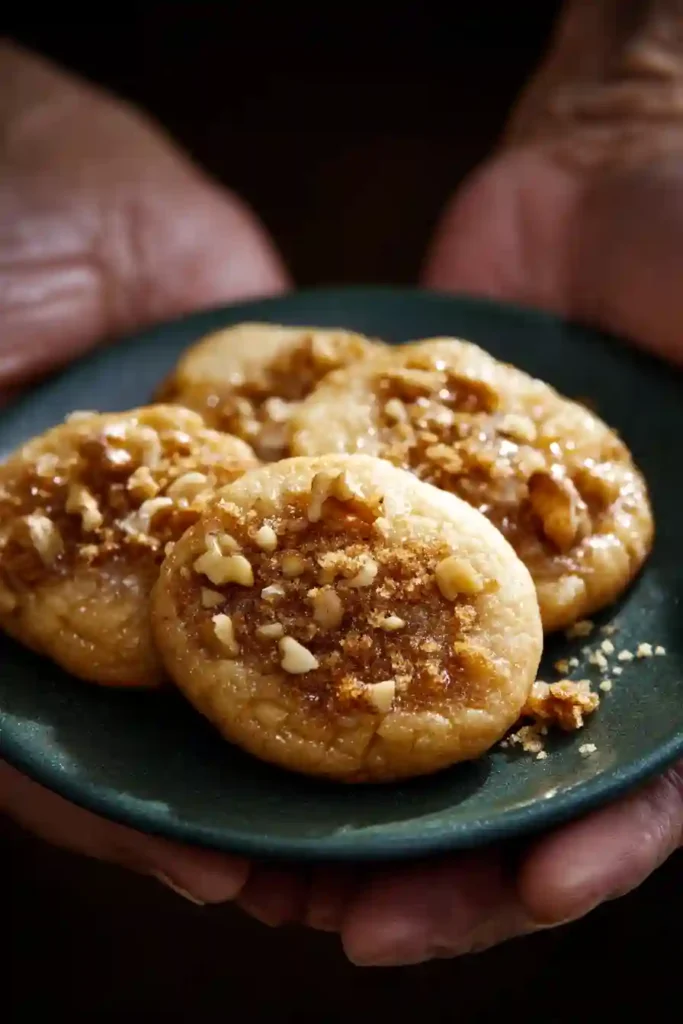
Melomakarona are spiced Greek cookies soaked in honey syrup, usually made with wheat flour. By substituting a high-quality gluten-free flour blend, you can enjoy the same festive flavors without the gluten. These cookies are particularly cherished during festive holiday times. They are a beloved addition to any Gluten-Free Greek Desserts collection.
How to Adapt Traditional Greek Desserts into Gluten-Free Versions
Identify the Gluten Sources
The first step in creating Gluten-Free Greek Desserts is understanding where gluten appears in the original recipes. Familiar sources include wheat flour, semolina, and filo pastry. These ingredients are often the structure of pastries and cakes, so replacing them requires careful selection of alternatives.
Choose the Right Flour Substitutes
Use high-quality gluten-free flour blends that include binding agents such as xanthan gum or guar gum to replicate the texture of wheat. For recipes that benefit from a nutty flavor, almond flour or hazelnut flour can be excellent choices. Rice and coconut flour are also popular for lighter desserts, ensuring your Gluten-Free Greek Desserts maintain the right consistency.
Maintain Authentic Flavors
Authenticity in Greek sweets comes from the balance of flavors rather than the specific flour. Use traditional ingredients like honey, walnuts, pistachios, cinnamon, cloves, and citrus zest. These elements ensure that even without gluten, the taste remains true to the roots of Greek cuisine.
Adjust Baking Times and Techniques
Gluten-free batters and doughs often bake differently than their wheat-based counterparts. They may require slightly lower temperatures or shorter baking times to avoid dryness. Testing in small batches before serving guests can help you perfect your Gluten-Free Greek Desserts.
Health Benefits of Enjoying Gluten-Free Greek Desserts
Suitable for Gluten Sensitivities and Celiac Disease
One of the primary benefits of Gluten-Free Greek Desserts is their suitability for people with celiac disease or gluten sensitivities. By removing wheat, barley, and rye from the recipe, these desserts can be enjoyed without triggering digestive discomfort or harmful reactions.
Naturally Nutritious Ingredients
Many Gluten-Free Greek Desserts are built around wholesome ingredients such as nuts, honey, yogurt, and fresh fruits. Walnuts and almonds offer healthy fats and plant-based protein, while honey contains antioxidants and natural sweetness. Greek yogurt provides probiotics that support gut health, making these treats a better choice than many processed desserts.
Balanced Energy Release
Desserts made with gluten-free flours like almond flour or rice flour can have a lower glycemic index than those made with refined wheat. This means that blood sugar levels may rise gradually, giving a steadier energy release. Combined with natural sweeteners and healthy fats, this makes Gluten-Free Greek Desserts a smarter indulgence for those watching their sugar spikes.
Variety for a Diverse Diet
Gluten-Free Greek Desserts allow for creativity in the kitchen, adding variety to a restricted diet. From honey cakes to almond cookies and creamy rice puddings, the options are endless. This diversity keeps gluten-free eating exciting and flavorful while aligning with Mediterranean traditions.
Tips for Storing and Serving Gluten-Free Greek Desserts
Store in Airtight Containers
To keep Gluten-Free Greek Desserts fresh, store them in airtight containers. This prevents moisture loss and protects them from absorbing unwanted odors from other foods. For cakes and pastries with syrup, line the container with parchment paper to prevent sticking.
Refrigeration for Longer Freshness
Many Gluten-Free Greek Desserts, especially those containing dairy or syrup, stay fresher in the refrigerator. Keep them covered to prevent them from drying out. Before serving, please bring them back to room temperature for the best texture and flavor.
Freezing for Extended Storage
Many Gluten-Free Greek Desserts, including almond cookies, honey cake, and creamy rice pudding, freeze beautifully. For best results, wrap each portion tightly in plastic to lock in freshness. Store the wrapped pieces in a freezer-safe container or a sturdy freezer bag. When ready to enjoy them, thaw at room temperature or reheat gently in the oven to restore flavor and texture.
Presentation for Special Occasions
A beautiful presentation makes Gluten-Free Greek Desserts even more inviting. Dust cookies with powdered sugar, drizzle extra honey over cakes, or sprinkle nuts and citrus zest for color. Serve on decorative plates or cake stands to enhance their appeal during celebrations.
Pairing Ideas for Gluten-Free Greek Desserts
Coffee and Espresso
Rich, aromatic coffee pairs perfectly with many Gluten-Free Greek Desserts. The slight bitterness of espresso balances the sweetness of honey cakes, almond cookies, and syrup-soaked pastries. For a more authentic touch, serve a small cup of strong Greek coffee alongside your dessert.
Herbal and Black Teas
Herbal teas such as chamomile or mint offer a gentle flavor that complements nut-based Gluten-Free Greek Desserts. Black teas like Earl Grey or Assam bring a stronger profile that adds to the richness of honey syrup and spices.
Dessert Wines
A glass of sweet dessert wine, such as Muscat or Mavrodaphne, enhances the flavors of Gluten-Free Greek Desserts. The fruity and floral notes in these wines echo the citrus and spice in many traditional recipes.
Fresh Fruit Juices
For a lighter, non-alcoholic option, pair your dessert with fresh orange juice or pomegranate juice. These drinks add a refreshing acidity that balances the sweetness while staying true to Mediterranean flavors.
Conclusion
Gluten-Free Greek Desserts offer all the flavor, tradition, and beauty of Greek sweets without the gluten. From the rich and syrupy Greek Honey Cake to simple yogurt with honey and walnuts, these treats prove that you do not have to compromise on taste or authenticity. Whether baking for a celebration or enjoying a quiet treat at home, there are endless ways to bring the warmth of Greek desserts to a gluten-free table. With the right ingredients and techniques, you can recreate your favorite classics and discover new favorites that fit your lifestyle.
Frequently Asked Questions about Gluten-Free Greek Desserts
Are there any Greek desserts that are gluten-free?
Yes, several Greek desserts are naturally gluten-free. Examples include almond cookies (amygdalota), Greek rice pudding (rizogalo), yogurt with honey and walnuts, and some flourless nut cakes. These desserts use ingredients like nuts, honey, rice, and dairy, which do not contain gluten.
What Greek food is naturally gluten-free?
Many Greek dishes are naturally gluten-free, including grilled meats, fresh salads, bean soups, and vegetable-based dishes. When it comes to desserts, options like yogurt with honey, rice pudding, and almond cookies are naturally safe for gluten-free diets.
What common desserts are gluten-free?
Common gluten-free desserts include meringues, flourless chocolate cake, panna cotta, pavlova, and nut-based sweets. In Greek cuisine, almond cookies, yogurt with honey, and rice pudding are popular gluten-free options.
Is any baklava gluten-free?
Traditional baklava is made with filo pastry, which contains wheat and is not gluten-free. However, gluten-free versions can be made by replacing the filo with alternative layers such as thin almond flour sheets or using cake-based adaptations like the Gluten-Free Greek Honey Cake.
