

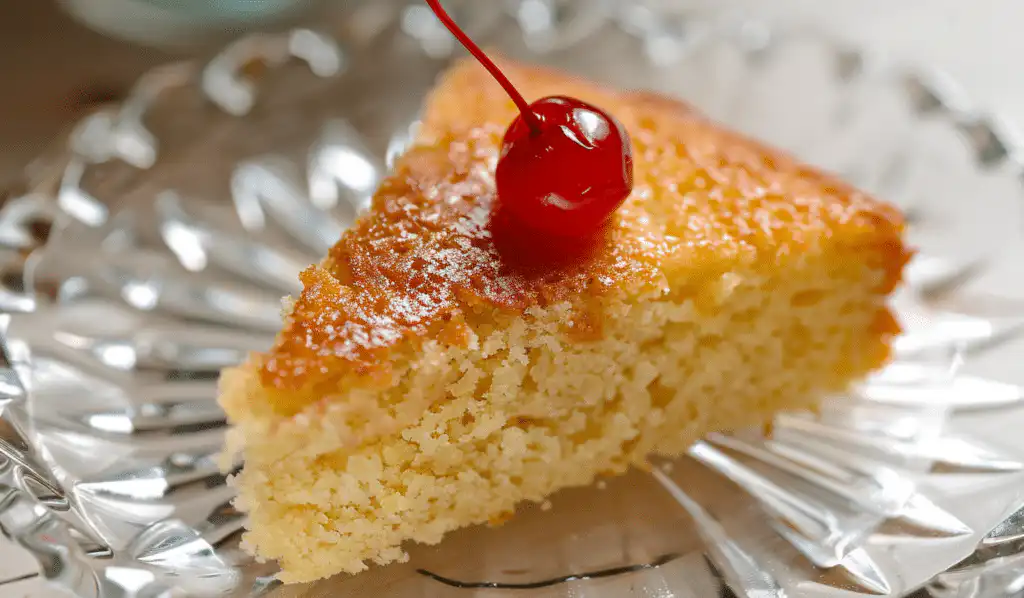
Ravani recipe is one of those desserts that instantly transports me back to my childhood kitchen, where the scent of citrus zest and warm syrup filled the air. This traditional Greek semolina cake is tender, golden, and delightfully moist, with a balanced sweetness. Inspired by my family traditions and influenced by the creativity of modern cooks, I created this version to be simple, comforting, and accessible to everyone. Whether baking for guests or craving something nostalgic, ravani is a sweet way to bring joy to your table.
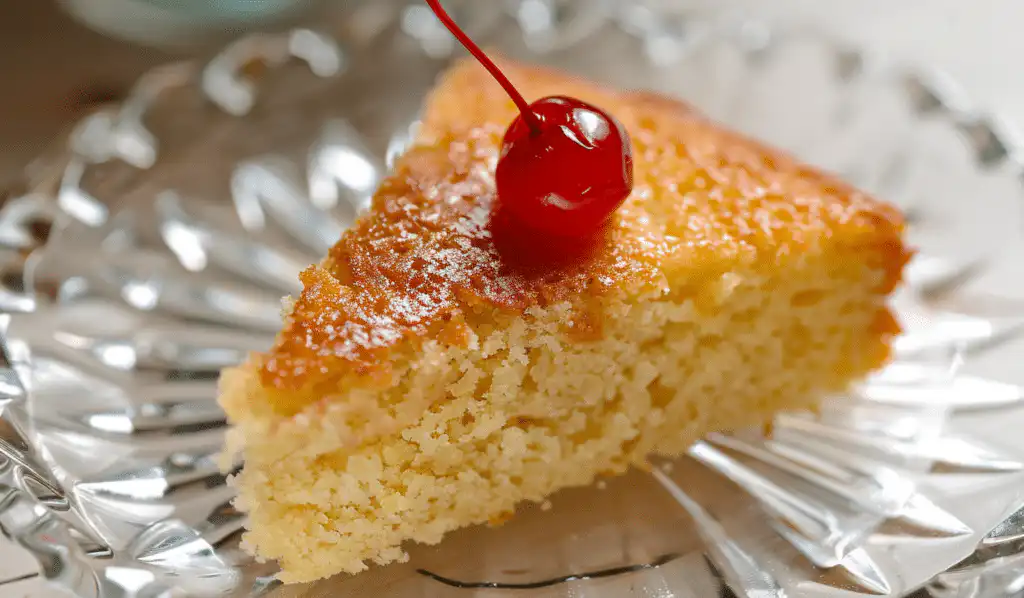
Table of Contents
Introduction to Ravani – A Syrupy Delight Across Cultures
The magic of semolina-based cakes in the Mediterranean
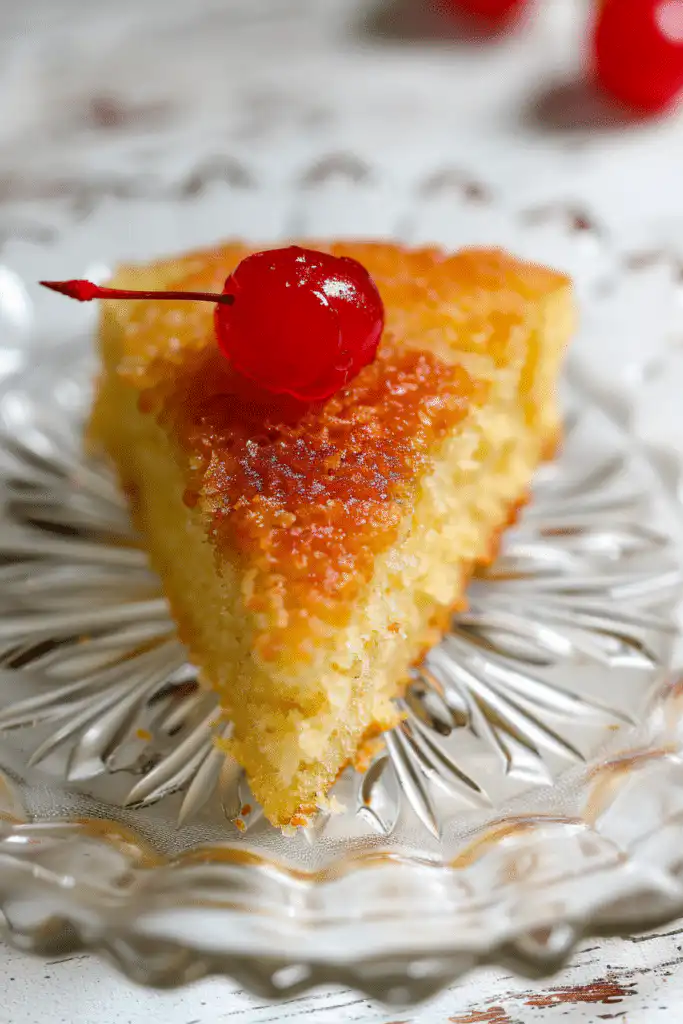
The ravani recipe, a beloved staple in Greek households for generations, yields a tender semolina sponge cake infused with orange zest, soaked in honey syrup, and crunchy almonds. Unlike syrup-heavy desserts like baklava, ravani is perfectly balanced. It’s sweet, but not overly so, and its texture stays light and fluffy.
Semolina gives this cake its signature golden color and grainy bite. Once soaked in warm citrus syrup, the result is a moist yet airy cake that’s simple but deeply satisfying.
Why the ravani recipe stands the test of time
The ravani recipe is loved for its simplicity. With pantry staples like flour, eggs, and citrus, it comes together easily. No special tools are needed. Just mix, bake, pour the syrup, and let it rest. The longer it sits, the better it tastes.
This cake is adaptable too. Some versions include coconut or cardamom, others add almond extract for depth. Whether served with whipped cream or on its own, it’s a dessert that always delivers joy.
Ravani vs Revani – A Cross-Cultural Dessert Debate
Greek vs Turkish origins: What makes them different?
The ravani recipe is often claimed by both Greece and Turkey. While the core of the dessert remains the same, there are subtle but tasty differences. Greek ravani is typically flavored with orange zest, vanilla, and finished with almonds. Turkish revani, on the other hand, often includes yogurt in the batter and may be topped with coconut or pistachios.
Both are soaked in syrup after baking, but the syrup in Turkish versions might have lemon or rose water. Despite regional twists, the essence is identical. Soft, semolina-based, syrupy, and irresistibly good.
Essential Ingredients for a Perfect Ravani
Semolina, yogurt, and syrup: Core building blocks
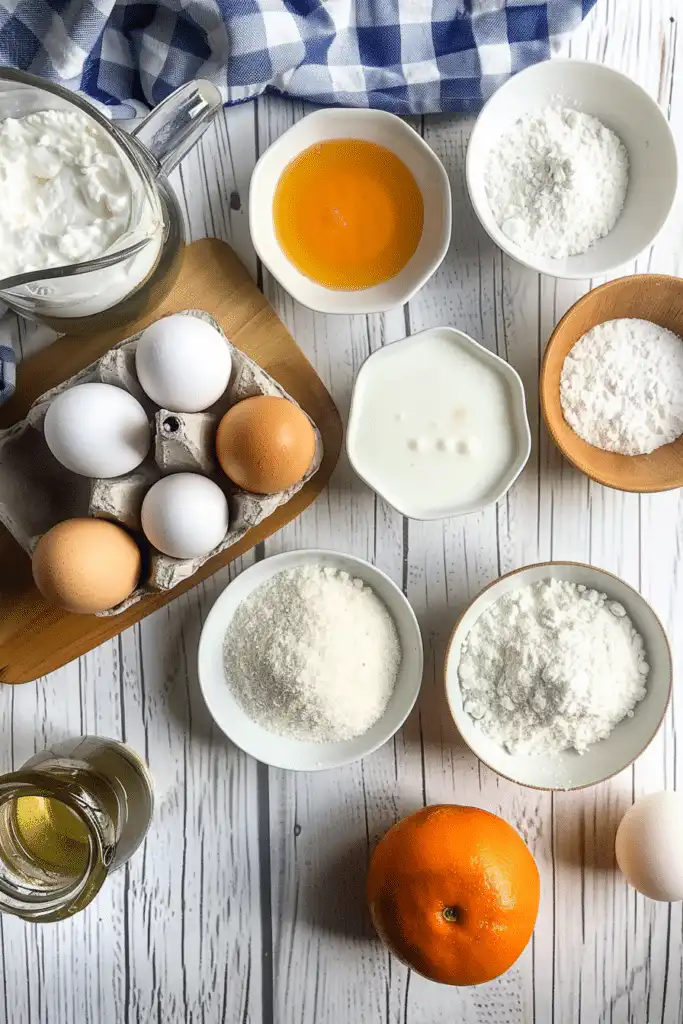
To make a truly authentic ravani recipe, it all starts with semolina. Fine semolina flour is essential for creating the signature texture differentiating ravani from a traditional sponge cake. It adds a delicate grain and nutty flavor that holds up beautifully when soaked in syrup.
Eggs give the cake structure and volume. Olive oil adds moisture and a slight fruitiness. You can also use melted butter if you prefer a richer flavor. Orange zest and vanilla extract bring brightness and warmth, creating a fragrant and inviting aroma while baking.
What makes Ravani unique is its syrup. A blend of orange juice, sugar, water, honey, and vanilla creates a citrusy sweetness that penetrates the cake without making it soggy. The syrup should be poured over the cake while still warm so the sponge absorbs every drop evenly.
Ingredient swaps and gluten-free options
One reason the ravani recipe remains so popular is its flexibility. For a dairy-free version, skip the yogurt or butter and use plant-based alternatives. Coconut milk can add a subtle twist that pairs beautifully with the semolina.
For added texture, you can mix in shredded coconut, chopped nuts, or golden raisins. Almond extract can replace vanilla if you want a more nutty profile.
Gluten-free adaptations are simple, too. Replace all-purpose flour with a gluten-free baking blend. Retain the semolina base, essential to Ravani’s unique texture and flavor.
Step-by-Step Ravani Recipe Instructions
Preparing the Batter
If you want your ravani recipe to turn out light, moist, and flavorful every single time, the secret is in the preparation.
- Get the oven ready – Preheat to 350°F (175°C). Lightly grease a 9×13-inch baking dish and line it with parchment for easy removal.
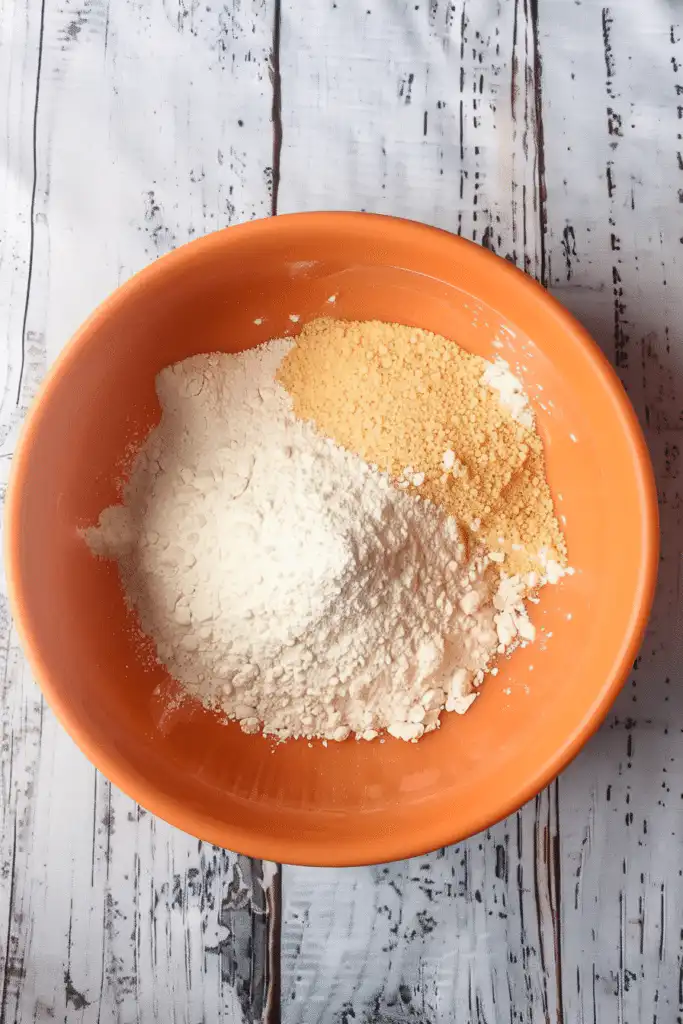
- Combine dry ingredients – In a medium bowl, whisk together fine semolina, all-purpose flour, baking powder, and a pinch of salt. This ensures even distribution and prevents clumps.
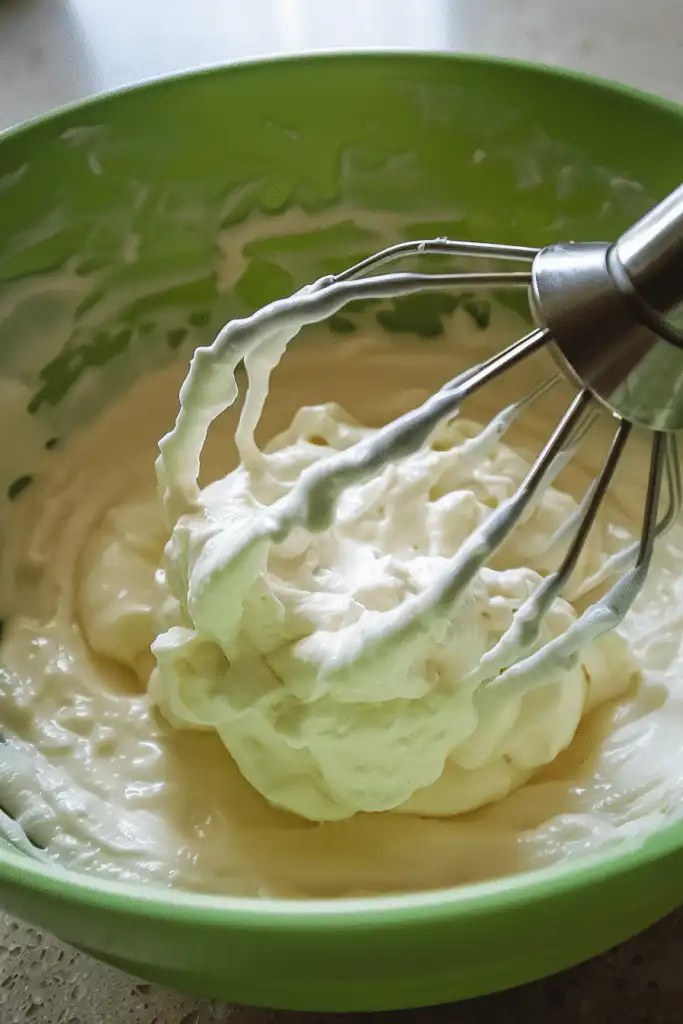
- Beat eggs and sugar – In a large bowl, whisk eggs and sugar until pale and fluffy. This step traps air in the batter, giving the ravani its signature soft texture.
- Add moisture – Fold in plain Greek yogurt and olive oil (or melted butter for a richer taste) until the mixture is smooth and creamy.
- Flavor the batter – Stir in fresh orange zest and vanilla extract. These bright, fragrant notes are what make a traditional ravani recipe unforgettable.
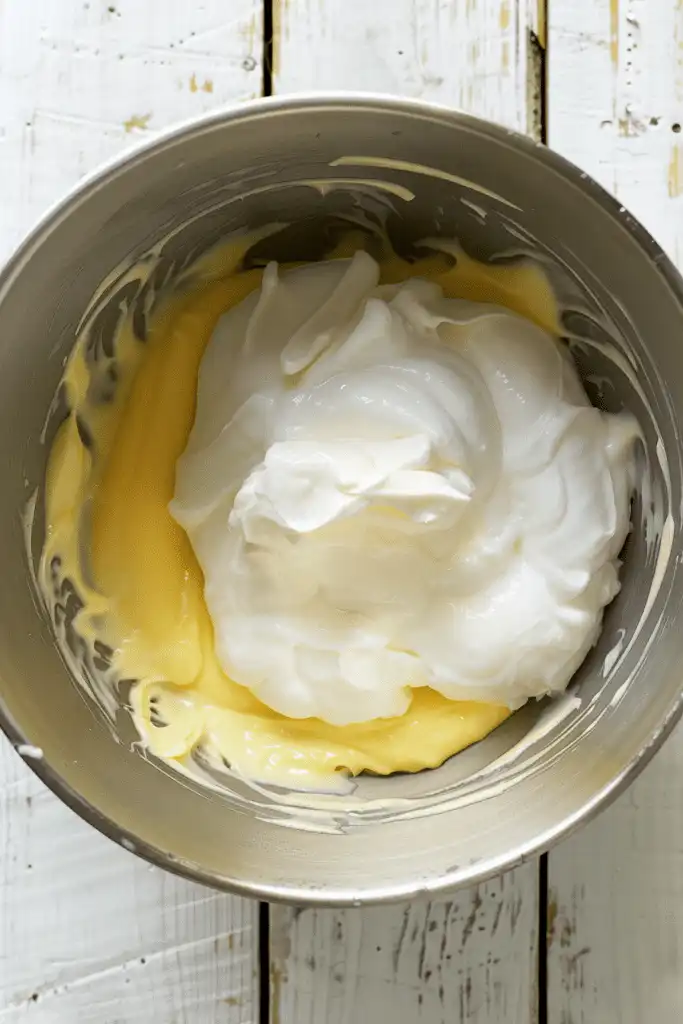
- Bring it together – Slowly fold the dry ingredients into the wet mixture. Mix gently—overmixing can make the cake dense.
Baking and Soaking with Syrup
Garnish and serve – Sprinkle with toasted almonds or shredded coconut for a beautiful finish.
Bake it right – Pour the batter into the prepared pan and smooth the surface. Bake for 30–35 minutes, or until golden brown and a toothpick inserted into the center comes out clean.
Make the syrup – While the cake bakes, simmer sugar, water, orange juice, honey, and vanilla in a small saucepan for 8–10 minutes until slightly thickened.
Soak while warm – Let the cake rest for 5 minutes after baking, then slowly pour the warm syrup evenly over it. This step locks in the moisture without making the cake soggy.
Let it rest – Allow the cake to absorb the syrup for at least 2 hours before slicing. This wait time deepens the flavor and improves the texture.
Variations of Ravani Recipe
Lemon, Orange and Almond Infused Versions
The beauty of the ravani recipe is that it can easily be adapted to suit different tastes. A lemon-infused version adds a refreshing tang to the cake. Replace the orange zest in the batter with lemon zest and use fresh lemon juice in the syrup. This creates a light and fragrant dessert perfect for warm days. An orange-infused ravani remains a classic favorite. The natural sweetness of fresh orange juice pairs beautifully with the nutty flavor of semolina, resulting in a bright and comforting cake. For those who enjoy a richer flavor, adding ground almonds or almond extract to the batter creates a deeper, nutty profile. Garnishing with sliced almonds not only enhances the taste but also adds a beautiful presentation.
Vegan and Gluten Free Ravani Options
The traditional ravani recipe can be made dairy-free by replacing Greek yogurt with plant-based yogurt. Olive oil works perfectly as the fat component, providing a moist texture and subtle flavor. For an extra layer of taste, coconut milk can give the cake a gentle tropical aroma.
Creating a gluten-free ravani is straightforward. Swap regular flour with a gluten-free baking blend while keeping the fine semolina for texture. The result is still moist, fluffy, and full of flavor.
Get creative by incorporating shredded coconut, pistachios, or dried fruits like golden raisins for a distinctive twist. Each variation brings a different character to the cake while keeping the essence of the ravani recipe intact.
Serving and Presentation Tips for Ravani
Traditional Greek Serving Methods
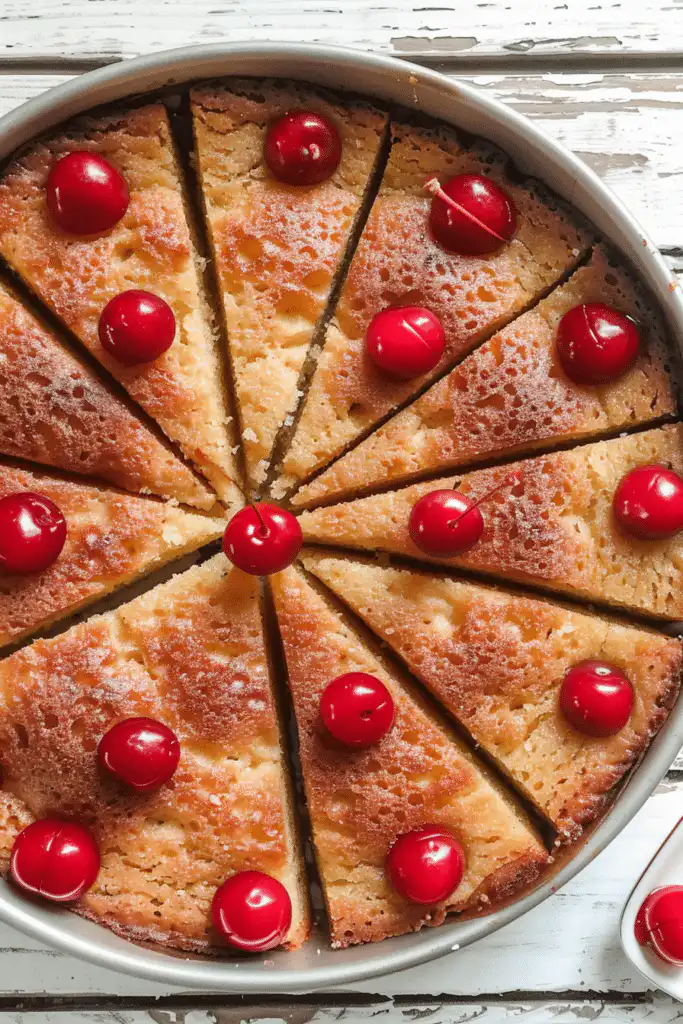
In Greece, the ravani recipe is often served at room temperature, allowing the syrup flavors to fully develop. The cake is usually cut into neat squares or diamond shapes, then placed on small dessert plates. It is common to pair each slice with a cup of strong Greek coffee or herbal tea, creating a perfect balance between sweet and bitter notes.
During special occasions such as weddings and family gatherings, ravani may be garnished with blanched almonds or lightly dusted with powdered sugar for a festive touch. Some households also serve it with a spoonful of Greek yogurt on the side to contrast the sweetness with a creamy, tangy flavor.
Modern Plating Ideas for Special Occasions
A creative way to serve the ravani recipe is to prepare it in small ramekins for individual portions. This method offers an elegant look while making it easier to serve guests without slicing at the table.
For added beauty, lightly drizzle extra syrup on each dessert plate before placing the cake. Garnish with fresh berries or thin slices of candied citrus for a burst of color and flavor. Edible flowers such as violets or marigolds add a refined and festive touch that will impress any guest.
To create a more indulgent experience, serve the cake slightly warm alongside a scoop of vanilla ice cream or a swirl of fresh whipped cream. This pairing adds an excellent contrast in temperature and texture, turning a simple dessert into a luxurious treat for dinner parties.
Nutritional Profile and Dietary Alternatives
The Ravani recipe is more than just delicious. With a few tweaks, it can fit a variety of dietary needs without losing its traditional flavor.
Is Ravani a Healthy Dessert?
Ravani is made with simple ingredients like semolina, eggs, olive oil, and citrus syrup. It contains natural fats and carbohydrates, making it rich and satisfying in small portions.
- Semolina adds fiber and minerals
- Olive oil brings healthy fats
- Eggs offer protein
- Honey adds natural sweetness
A typical slice of Ravani has around 250 to 300 calories depending on portion size and syrup quantity. It’s a treat best enjoyed in moderation.
Gluten-Free Ravani Adjustments
While traditional Ravani includes wheat flour, it can be adapted for gluten-free diets.
- Swap all-purpose flour with a gluten-free baking blend
- Use fine cornmeal or millet instead of semolina if needed
- Adjust moisture by adding a little more olive oil or plant-based yogurt
These changes keep the texture soft while meeting gluten-free needs.
Dairy-Free Ravani Options
Ravani can be made completely dairy-free by using:
- Plant-based yogurt like almond or coconut
- Olive oil instead of butter
- Dairy-free toppings like coconut cream or vegan ice cream
These substitutes maintain the cake’s moisture and flavor.
Lower Sugar Tips
To reduce sugar while keeping the taste:
- Cut sugar in the batter by one-third
- Use honey-only syrup without added sugar
- Add natural sweetness with citrus zest or dried fruits
Creative Uses for Leftover Ravani
If you have baked a full tray using this Ravani recipe and find yourself with extra slices, don’t let them go to waste. The great thing about Ravani is that its texture and flavour improve over time, making leftovers ideal for reinventing. From breakfast ideas to elegant desserts, there are many easy ways to enjoy leftover Ravani in creative and delicious forms.
Turn Ravani into Parfaits
This Ravani recipe creates a cake that holds its shape beautifully. Cut the leftover cake into cubes and layer it with whipped cream, yoghurt, or citrus mousse. Add sliced fruits like oranges or berries. These parfaits are great for brunch or as an elegant dinner party dessert.
Enjoy Ravani for Breakfast
The moist texture and subtle sweetness from this Ravani recipe make it perfect for a morning treat. Warm a slice, then top it with Greek yoghurt and a handful of nuts or granola. The honey and citrus in the cake pair well with herbal tea or coffee.
Create a Ravani Trifle
To make a more indulgent dessert, repurpose leftover Ravani by layering bite-sized pieces in a glass bowl with creamy custard or smooth pudding. Incorporate a layer of orange slices or fruit compote to enhance the vibrant citrus flavour of the Ravani recipe. Refrigerate until chilled, then serve as a cool and refreshing treat.
Make Ravani Ice Cream Sandwiches
Use two thin slices of Ravani as the base for a simple ice cream sandwich. Add a scoop of vanilla, orange, or pistachio ice cream in the centre. Freeze for 20 minutes before serving. The syrupy sponge from this Ravani recipe holds up well and stays soft even when frozen.
Toast Ravani Crumbs for Toppings
If your Ravani has started to dry slightly, you can still use it. Toast the cake slices in a low oven, then crumble them. Use the crispy crumbs to top yoghurt, baked fruit, or even ice cream. This is a fun way to stretch your Ravani recipe even further.
Freeze for Later
Suppose you have extra slices from your Ravani recipe. In that case, freezing them is a great way to enjoy this dessert later without any loss in texture or flavour. Begin by cutting the Ravani into individual portions. Wrap each piece tightly in parchment paper or freezer-safe wrap to prevent freezer burn. Place the wrapped slices into an airtight container and freeze for up to two months. When ready to enjoy the Ravani again, let it thaw at room temperature or gently warm it in the oven. This method preserves the moisture and flavour that make this Ravani recipe special.
Expert Tips and Mistakes to Avoid
The Ravani recipe is simple and rewarding, but like any traditional dessert, minor details can make a big difference in the final result. Whether making Ravani for the first time or refining your baking technique, these expert tips and common mistakes will help you achieve the perfect texture and flavour every time.
Top Tips for Ravani Success
Use fine semolina for best results
The texture of your Ravani depends heavily on the semolina. Fine semolina gives the cake its signature crumb and helps it absorb syrup evenly. Coarse semolina may lead to a gritty or uneven texture, affecting the overall experience.
Zest before juicing
Always zest your orange before squeezing it for juice. This ensures you capture the fresh oils that enhance the flavour of the cake. Zesting after juicing is much more difficult and less effective.
Pour syrup slowly and evenly
After baking, let the Ravani cool slightly, then pour the warm syrup over the surface in stages. Please focus on the edges as they tend to dry out more. Let the syrup fully absorb before cutting. Rushing this step can cause uneven moisture throughout the cake.
Let the cake rest before serving
The Ravani recipe benefits from time. Letting the cake sit for at least two hours after soaking helps the syrup settle and improves the flavour. Prepare it a day in advance and store it covered at room temperature.
Use fresh ingredients
Because the recipe is simple, ingredient quality matters. Use fresh eggs, good olive oil, and pure vanilla extract. These elements bring out the authentic taste that makes Ravani so enjoyable.
Common Mistakes to Avoid
Overmixing the batter
When making your Ravani recipe, gently mix the batter after incorporating the dry ingredients. Stir only until the flour and semolina are thoroughly combined. Mixing too much at this stage can deflate the batter and result in a dense texture rather than the light, fluffy crumb that defines a perfect Ravani.
Using cold eggs or yogurt
Cold ingredients can affect how the batter comes together. Let eggs and yoghurt reach room temperature before using. This helps create a smooth batter and even baking.
Skipping the parchment paper
Line your baking pan with parchment paper, especially if you are topping the bottom with almonds. This prevents sticking and ensures a clean release when serving or flipping the cake.
Adding syrup while the cake is cold
If the cake is too cool, it may not absorb the syrup properly. Always add the syrup when the cake is still warm. This lets the liquid penetrate the crumb, giving Ravani its signature moistness.
Not measuring ingredients accurately
The Ravani recipe depends on the correct ratio of semolina, flour, eggs, and syrup to achieve its soft and moist texture. Minor measurement inaccuracies can affect the cake’s structure. For the best results, use precise tools like measuring cups or a digital kitchen scale to ensure accuracy.
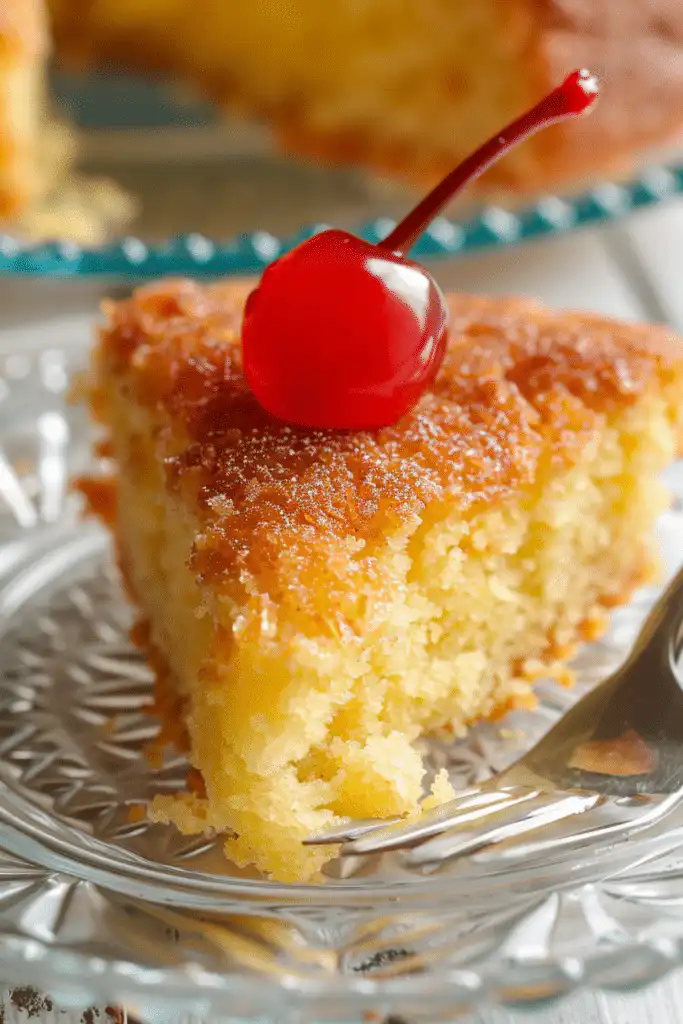
Conclusion: Why This Ravani Recipe Belongs in Your Kitchen
This Ravani recipe is more than just a Greek dessert. It embodies a celebration of simplicity, flavour, and tradition. With its moist texture, sweet citrus-honey syrup, and soft golden crumb, Ravani brings warmth and comfort to every table.
Whether you are baking for a holiday, a family gathering, or to treat yourself on a quiet afternoon, this recipe is easy to follow and full of flexibility. You can keep it classic or add a twist with coconut, cardamom, or nuts. You can enjoy it fresh from the oven or transform leftovers into creative desserts like parfaits or trifles.
From your first slice to your last, Ravani delivers joy through every bite. It is a dessert that feels nostalgic yet always fresh. With the right ingredients and a few simple steps, you will have a homemade cake that tastes like it came straight from a Greek bakery.
FAQs: Your Ravani Recipe Questions Answered
How is Ravani made?
Ravani is made by mixing fine semolina, flour, baking powder, and citrus zest with a separate mixture of eggs, sugar, olive oil, and vanilla. Once combined, the batter is poured into a greased pan and baked. While it bakes, a simple syrup of orange juice, sugar, honey, and vanilla is prepared. When the cake comes out of the oven, the warm syrup is slowly poured over it, allowing the sponge to absorb the flavor.
How to make a cake step by step at home?
Start by preparing your ingredients and preheating your oven. Mix the dry and wet ingredients in separate bowls, then gently combine them. Pour the batter into a pan and bake until golden. If using syrup, pour it over the cake while it is still warm. Let it rest before slicing to allow the flavors to develop.
How to make Suafai recipe?
Suafai is a different type of semolina-based dessert from South Asia. It is made by roasting semolina in ghee, then adding sweetened milk or water, cardamom, and sometimes nuts. While it shares ingredients with the Ravani recipe, Suafai has a pudding-like texture and is prepared on the stovetop instead of baked.
What’s the easiest cake to make?
The Ravani recipe is one of the easiest cakes to try. It uses simple ingredients, minimal equipment, and does not require frosting or complicated decoration. Its forgiving texture and syrup-soaked finish make it perfect for beginner bakers.
