


Greek Desserts for Special Diets: Vegan, Gluten-Free, and More are no longer rare novelties. Today, they’re a delicious part of modern Greek cuisine that embraces every lifestyle and health need. Whether avoiding animal products, steering clear of gluten, or cutting back on dairy, you can still enjoy the rich, comforting flavors of traditional Greek sweets. And the best part? You can enjoy authentic flavors without sacrificing taste.
In this complete guide, we’ll show you how popular Greek dessert recipes can be modified to suit special diets, from plant-based and gluten-free options to dairy-free and low-sugar versions. Whether you’re a home baker or just dessert-curious, you’ll discover that Greek sweets can be just as indulgent and satisfying, while still fitting your nutritional goals.
Now let’s begin by understanding what makes Greek desserts unique and why they’re naturally suited for special diet adaptations.

Table of Contents
Introduction to Greek Desserts and Special Diets
What Makes Greek Desserts Unique
Greek desserts are rooted in centuries-old traditions emphasizing simplicity, freshness, and flavor. Instead of relying on heavy creams or processed sugars, they often use honey, nuts, olive oil, fruits, and spices like cinnamon and clove. This makes many Greek desserts lighter and more adaptable to special dietary needs.
Dishes like Baklava, Halva, and Rizogalo (rice pudding) are iconic examples that can be enjoyed with just a few thoughtful tweaks. Many of these recipes are built around pantry ingredients, meaning fewer preservatives and more real-food value.
The Rise of Special Diet Needs: Vegan, Gluten-Free and Dairy-Free
There’s been a massive shift toward health-conscious eating. From plant-based living to food intolerance management, modern kitchens are adjusting to meet various dietary preferences. People are increasingly seeking desserts that taste great but also fit their nutritional goals.
Greek cuisine, especially the dessert side, is incredibly accommodating. Traditional fasting practices in Greece often exclude meat, eggs, and dairy, resulting in many dishes that are nearly vegan already. With rising demand, there’s a strong case for reinventing old recipes with a modern, diet-friendly twist.
How Greek Cuisine Naturally Fits Dietary Restrictions
Did you know that many Greek sweets already meet special dietary criteria without much adjustment? That’s because religious fasting periods influenced the development of these recipes, encouraging cooks to use ingredients like olive oil instead of butter, and semolina or rice instead of wheat.

Phyllo-based treats, syrup-soaked cakes, and nut-heavy desserts are easily customizable. You can now find gluten-free phyllo sheets, dairy-free yogurts, and plant-based custards that help replicate the traditional experience, without triggering allergies or food sensitivities.
Understanding Vegan Greek Desserts
Key Ingredients in Traditional Vegan-Friendly Greek Sweets
Regarding vegan adaptations, many Greek desserts already start on the right foot. Traditional fasting periods in Greek Orthodox culture often called for excluding animal products. As a result, many classic sweets were made using plant-based ingredients well before veganism became mainstream.
Naturally vegan-friendly ingredients include olive oil, semolina, tahini, walnuts, almonds, pistachios, dates, raisins, and orange zest. Desserts like Halva, made from semolina and sweetened with syrup or honey alternatives, are already vegan or nearly there with one minor tweak.
Loukoumades, the famous Greek fried dough balls, can also be made vegan by using dairy-free milk and replacing honey with agave or maple syrup. Even Baklava, with its layers of phyllo and nuts, becomes a plant-based treat by skipping the butter and swapping in a neutral vegetable oil or vegan butter substitute.
Best Vegan Alternatives to Honey, Butter and Dairy in Greek Recipes
Traditional Greek sweets often rely on ingredients like butter, honey and yogurt. But when making Greek desserts for special diets, vegan-friendly swaps can work beautifully without affecting taste or texture.
Instead of butter, you can use extra virgin olive oil or refined coconut oil for recipes that call for melted fat. For baking and layering phyllo, vegan margarine works well and gives that flaky texture everyone loves.
You can substitute honey with maple syrup, agave nectar, or simple syrup made from sugar and water. These substitutes deliver a similar consistency and sweetness while keeping your recipe plant-based.
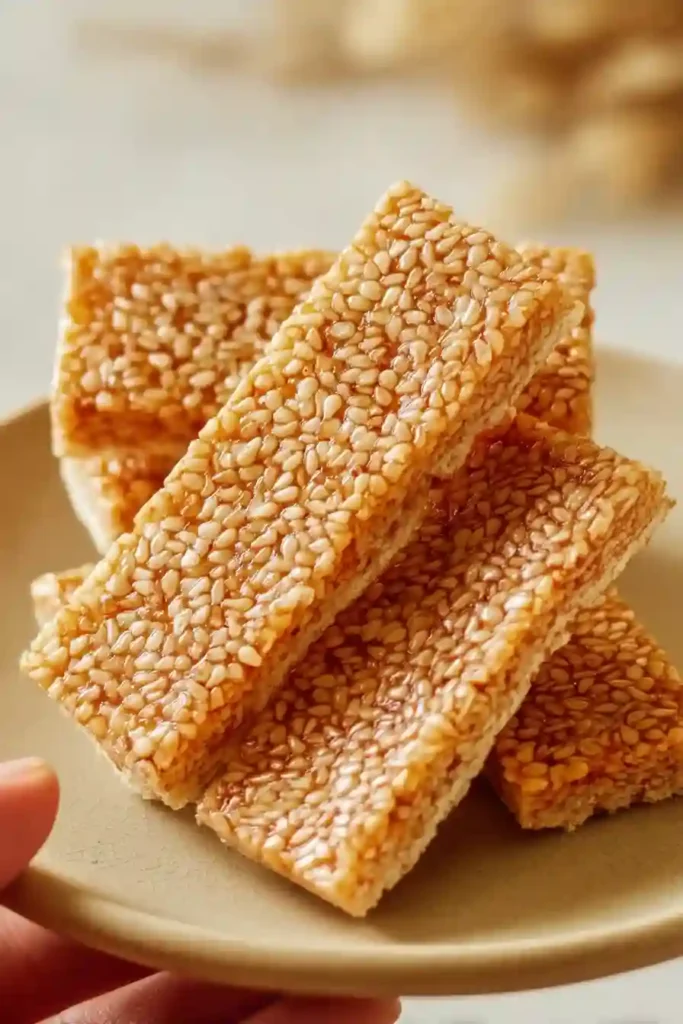
Greek yogurt, often used in cakes and creamy fillings, can be replaced with dairy-free versions made from coconut, almond or soy. These alternatives retain the tangy richness of yogurt and are perfect for everything from Mousses to Cheesecake-style desserts.
Gluten-Free Greek Desserts: Sweet Without the Wheat
Common Gluten Sources in Greek Pastries
Gluten is a protein found in wheat, barley, and rye, and it often sneaks its way into traditional Greek desserts through phyllo dough, semolina, and wheat flour. These ingredients are staples in many beloved sweets like Baklava, Galaktoboureko, and Ravani.
However, for those with gluten intolerance or celiac disease, these classics might seem off-limits. The good news is they do not have to be. By understanding which ingredients typically contain gluten, you can explore safe alternatives that still capture the essence of traditional Greek flavor.
Safe Substitutes: Rice Flour, Almond Flour, and More
Fortunately, Greek cuisine offers room for experimentation, and there are plenty of gluten-free flours that make excellent stand-ins for wheat. Rice flour is light and neutral, perfect for cakes and cookies. Almond flour adds richness and texture, ideal for nut-based sweets like Karidopita or Melomakarona.
Cornmeal can replace semolina in many syrupy desserts, offering a similar mouthfeel without triggering gluten sensitivities. Gluten-free baking blends also work well, especially those designed to mimic the elasticity of wheat-based doughs.

Phyllo dough can be the trickiest part to replace, but several gluten-free versions are now available in specialty stores or online. These allow you to recreate favorites like Baklava with all the crispness and flake you expect, without any gluten.
For those who enjoy baking at home, experimenting with different flour combinations and binders like psyllium husk or chia gel can lead to delicious discoveries. With the proper adjustments, gluten-free Greek desserts can be just as satisfying and authentic as the originals.
Dairy-Free and Lactose-Free Greek Dessert Options
Traditional Greek Desserts That Are Naturally Dairy-Free
People often think of Greek desserts with smooth, creamy textures and indulgent buttery flavors. However, several Greek treats are surprisingly dairy-free by default. This is mainly due to the influence of religious fasting periods in Greece, during which dairy products were traditionally avoided.
For example, Halva made with semolina and sweetened syrup contains no butter or milk. Melomakarona, the popular honey-soaked Christmas cookies, are prepared with olive oil rather than butter. These naturally dairy-free options make it easy for anyone avoiding milk to enjoy something sweet and satisfying.
Even Loukoumades, crispy fried dough balls drizzled in syrup, can be made without milk or cream. If you use plant-based oil for frying and a dairy-free batter, they remain a safe and delicious choice.
Dairy Replacements: Coconut Yogurt, Nut Milks and Vegan Cheese
In recipes that typically rely on dairy for texture or flavor, there are now many excellent plant-based alternatives. Coconut yogurt is one of the best substitutes for Greek yogurt. It offers creaminess and a slight tang, perfect for layered desserts and frozen treats. Almond and soy yogurts work well, especially in baked goods or puddings.
For milk replacements, almond milk, oat milk, and coconut milk blend beautifully into batters and custards. They do not overpower the dessert’s flavor and often bring a subtle nuttiness or richness that enhances the final result.
When a recipe calls for cream cheese or ricotta, vegan cheese spreads made from cashews or tofu provide a solid alternative. They perform exceptionally well in cold desserts or smooth, creamy fillings.
The growing variety of high-quality dairy-free products means you can enjoy Greek desserts without discomfort, while still preserving all the flavor and nostalgia.
High-Protein, Low-Sugar, and Diabetic-Friendly Greek Treats
Nutrient-Rich Ingredients for Healthy Greek Desserts
Traditional Greek desserts often contain nutrient-dense ingredients that can be highlighted to create healthier versions. Walnuts, almonds, pistachios and sesame seeds offer not only flavor but also a good amount of protein and healthy fats. These ingredients support energy levels and help with satiety, making them ideal for people managing their blood sugar or aiming to build muscle.
Chickpea flour is another great ingredient that has found its way into modern Greek dessert recipes. It is naturally gluten-free and protein-rich, which helps balance the sweetness and improve the overall nutritional profile of the dish. You will also find that many Greek sweets include ingredients like tahini and yogurt, which can be swapped for high-protein vegan versions without losing their texture or taste.

Using nuts, seeds and legumes in Greek desserts is not a new trend. These foods have always been part of the Mediterranean diet, known for its heart health and longevity benefits. With just a few thoughtful substitutions, even the most indulgent Greek dessert can support a more balanced and wholesome lifestyle.
How to Reduce Sugar Without Losing Flavor
Reducing sugar in desserts can feel challenging, but Greek cuisine offers several clever workarounds. Syrups made from dates or figs add natural sweetness while adding extra fiber. You can also use mashed ripe bananas or unsweetened applesauce to reduce refined sugar without sacrificing moisture.
Stevia and monk fruit sweeteners work well for people with diabetes.
These natural sugar substitutes have a low glycemic index and do not spike blood sugar levels. When used correctly, they can blend seamlessly into most Greek recipes, from puddings to cookies.
Honey is common in many Greek sweets, but for diabetic-friendly versions, you can try agave nectar in small quantities. It has a lower glycemic impact and pairs beautifully with the flavors of cinnamon, cloves and citrus that are often found in Greek baking.
By keeping sweetness balanced and focusing on whole food ingredients, it is entirely possible to enjoy Greek desserts that nourish both the body and the soul.
Greek Yogurt Alternatives for Every Diet
Vegan Greek Yogurt Substitutes: Store-Bought and Homemade
Greek yogurt is a beloved ingredient in many desserts, known for its creamy texture and slight tang. For those following a vegan or dairy-free lifestyle, there are now plenty of plant-based options that successfully mimic the flavor and consistency of traditional Greek yogurt.
Store shelves offer coconut milk yogurts that are thick and rich, making them excellent for chilled desserts and parfaits. Almond milk yogurts have a lighter taste and work well in recipes like cakes or cookies. Soy-based versions provide a higher protein content, which is helpful if you want to maintain a more balanced nutritional profile in your dessert.
If you enjoy making things from scratch, homemade vegan Greek yogurt is also a great choice. It can be made with canned coconut milk and probiotic capsules. After letting it ferment overnight, the result is a creamy, tangy product that performs just like store-bought yogurt in both texture and taste.
Lactose-Free Greek Yogurt Choices and Uses in Desserts
For people who aren’t completely vegan but struggle with dairy digestion, lactose-free Greek yogurt offers a practical and delicious alternative. These products use real dairy with lactose removed through natural enzyme processing. The taste closely resembles traditional Greek yogurt and functions effectively in any dessert recipe requiring it.
Lactose-free Greek yogurt works excellently in cheesecakes, frozen desserts, mousse preparations, and baked goods such as yogurt-based cakes or muffins. It maintains the characteristic creamy consistency without sacrificing the luxurious quality of your finished dessert.
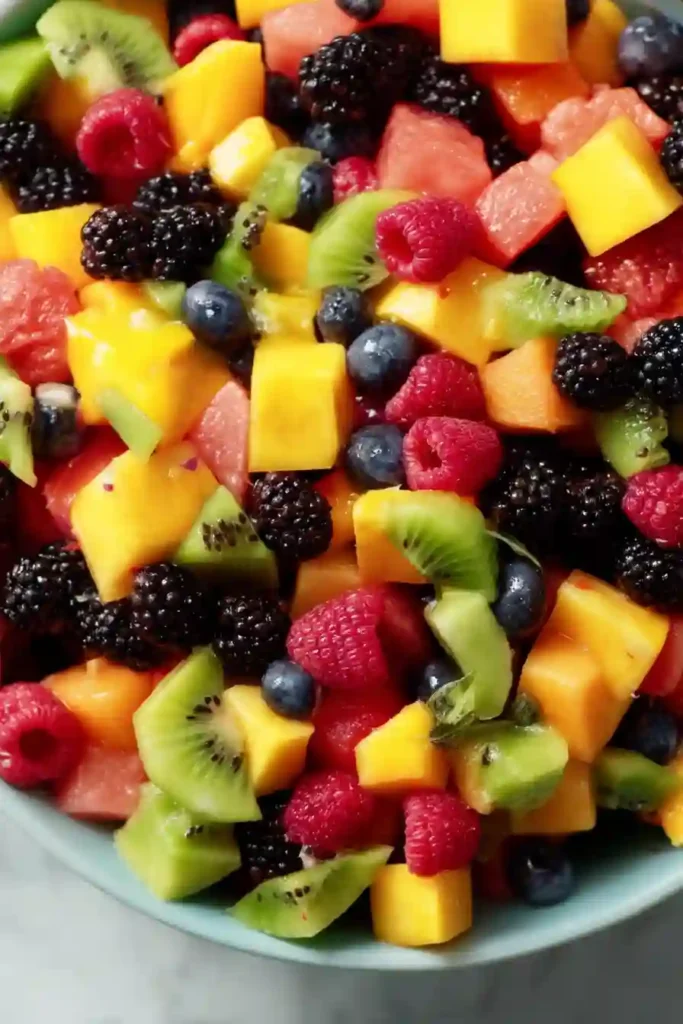
When testing various recipes, pay attention to your yogurt’s thickness. Certain lactose-free varieties may have a slightly thinner consistency than conventional Greek yogurt. Should this occur, you can strain the yogurt through cheesecloth for several hours to eliminate extra moisture and achieve a thicker base.
Given the wide selection of high-quality dairy-free and lactose-free yogurt products, you can easily enjoy decadent Greek desserts while accommodating your specific dietary requirements.
Top Greek Dessert Recipes for Special Diets
Vegan Baklava
Baklava is one of the most iconic Greek desserts, traditionally made with layers of buttery phyllo dough, chopped nuts and a sweet honey syrup. To make a vegan version, you can substitute the butter with plant-based margarine or extra virgin olive oil. Instead of honey, agave syrup or maple syrup works beautifully while offering a similar sticky sweetness.
The result is just as crisp, flaky and flavorful as the original. Walnuts and pistachios remain the show’s stars, while cinnamon and orange zest add depth to the filling. Serve your vegan baklava with a sprinkle of ground cloves or a drizzle of additional syrup for a rich Mediterranean finish.
Sugar-Free Loukoumades
Loukoumades are small, round dough balls fried until golden and then covered in syrup or honey. While they are often sweet and indulgent, they can also be made diabetic-friendly by replacing the syrup with sugar-free alternatives like monk fruit syrup or stevia-sweetened sauces.
The dough can be adjusted by reducing or eliminating refined sugar and replacing it with a natural sugar substitute. You can also use oat flour or a gluten-free blend for added fiber and a more balanced glycemic response.
Once fried, the Loukoumades can be dusted with cinnamon or ground walnuts for extra flavor. These sugar-free bites are just as satisfying as their traditional counterparts but with none of the sugar spike.
Ingredient Substitutions for Healthier Greek Desserts
Smart Swaps: Honey Versus Agave, Semolina Versus Cornmeal
One of the easiest ways to adapt Greek desserts for special diets is by using smart ingredient swaps. These substitutions not only meet dietary needs but often improve the overall nutrition of the dish.
Take honey, for example. While it is a common sweetener in traditional Greek sweets, it may not suit vegans or those watching their sugar intake. Agave syrup is a great alternative. It has a similar consistency and sweetness but is plant-based and lower on the glycemic index. Maple syrup also works well in many syrup-based desserts like Baklava or Melomakarona.
Semolina is another frequently used ingredient in Greek recipes such as Halva or Ravani. For gluten-free versions, cornmeal or almond flour can provide a similar texture. Both are naturally gluten-free and have distinct flavors that pair well with citrus, nuts, and spices often used in Greek baking.
These small but thoughtful changes can transform a traditional dish into something that fits a range of dietary lifestyles without losing the soul of the recipe.
Using Fruits and Nuts as Natural Sweeteners
Fruits and nuts are more than simple toppings. They can naturally sweeten Greek desserts while adding texture and nutrition.
Mashed bananas, applesauce, and date puree are great sugar substitutes for cakes and puddings. They add moisture and fiber, making your desserts healthier without sacrificing flavor.
Almonds, walnuts, and pistachios add richness to both crusts and fillings.
Their natural oils replace butter, offering a smooth and satisfying bite.
These natural swaps let you enjoy Greek sweets that are both tasty and good for you.
Tips for Making Greek Desserts at Home on a Special Diet
Tools and Pantry Staples to Keep
Creating diet-friendly Greek desserts at home becomes much easier when equipped with the right tools and ingredients. A handful of fundamentals can go a long way. Non-stick baking trays, silicone muffin molds, and a high-speed blender are essential for preparing everything from vegan cheesecakes to nut-based fillings.
In your pantry, keep gluten-free flour blends, almond or coconut flour, plant-based milks, and natural sweeteners like agave syrup or maple syrup. Coconut oil, chia seeds, and applesauce are great for binding and moisture. These staples can be used in dozens of traditional recipes with minimal changes.
When stocked with the right essentials, you will always be ready to try a new dessert recipe that suits your dietary goals.
Where to Buy Specialty Greek Ingredients
Many local grocery stores now carry gluten-free flours, dairy-free yogurts, and sugar alternatives. However, for more traditional Greek ingredients like mastic, orange blossom water, or gluten-free phyllo, specialty Mediterranean markets or online shops are your best bet.
Websites that focus on Greek or Middle Eastern cuisine often have hard-to-find products along with recipe suggestions. Shopping online also gives you access to vegan, gluten-free, and low-sugar options that work well in authentic Greek desserts.
By preparing your kitchen thoughtfully and knowing where to shop, you can enjoy the full range of Greek dessert traditions while keeping every bite in line with your health needs.
Conclusion
Greek Desserts for Special Diets: Vegan, Gluten-Free, and More proves that traditional flavor and modern wellness can go hand in hand. From vegan Baklava to gluten-free Galaktoboureko and dairy-free Loukoumades, there are countless ways to enjoy Greek sweets without compromising your lifestyle or health needs.
Using smart substitutions like almond flour, coconut yogurt, and natural sweeteners, you can bring a new level of nutrition and accessibility to your favorite desserts. Whether you’re avoiding allergens, reducing sugar, or following a plant-based diet, Greek cuisine is full of possibilities.
Frequently Asked Questions
Are any Greek desserts gluten free?
Yes, several traditional Greek desserts are naturally gluten free or can be easily adapted. Halva made with cornmeal and Melomakarona made without flour are great options. You can also make classics like Galaktoboureko with gluten-free phyllo dough and corn flour custard. For more ideas, explore our gluten-free Greek desserts collection.
What are typical Greek desserts?
Typical Greek desserts include Baklava, Loukoumades, Galaktoboureko, Kataifi, and Rizogalo. These sweets often feature ingredients like nuts, honey, cinnamon, phyllo dough, and citrus. Many of them can be adapted for special diets including vegan, dairy-free, and gluten-free versions.
What Greek food is naturally vegan?
Many Greek dishes made during religious fasting periods are naturally vegan. Common examples include Lentil soup, Fasolada, stuffed grape leaves, and some sweets like Halva and Melomakarona. With minor swaps, even more dishes become fully plant-based.
What Greek food is dairy free?
Dairy-free Greek foods include roasted vegetables, lentils, olives, and many desserts like Halva or syrup-soaked fruit preserves. During fasting periods, dairy is avoided which has led to a variety of naturally dairy-free dishes still enjoyed today.
