

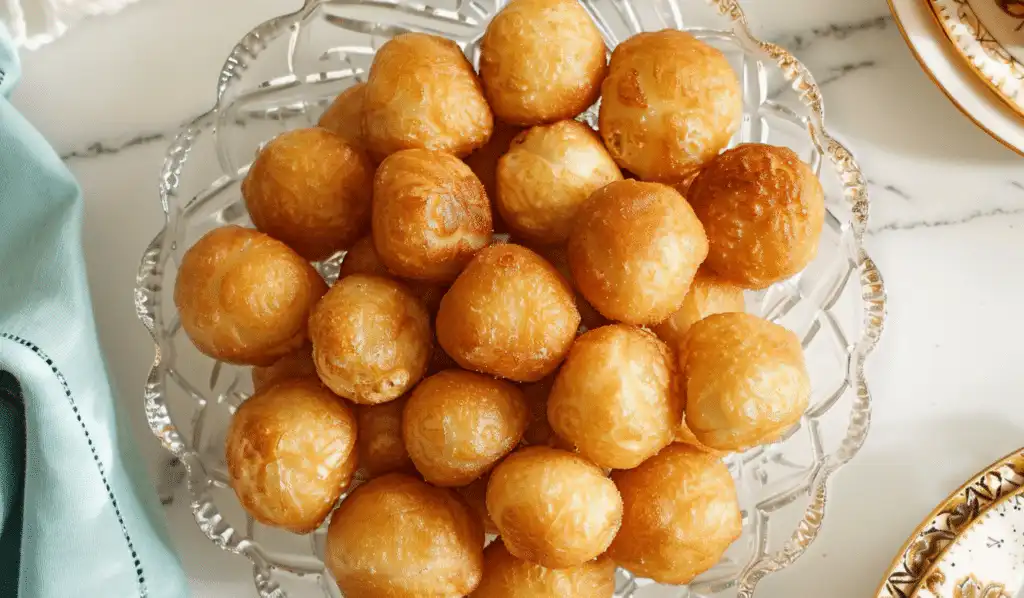
Loukoumades-Greek-Honey-Doughnuts-Recipe is more than just a dessert it’s a bite of comfort, tradition, and joy. I first fell in love with these golden Greek doughnuts while travelling, and I knew I had to bring them to Tasty Joyful. Inspired by my family’s cooking and my passion for simple, feel good recipes, this version is easy, fluffy, and perfect for sharing. Whether you’re a beginner or a seasoned baker, this sweet treat will make you feel right at home.
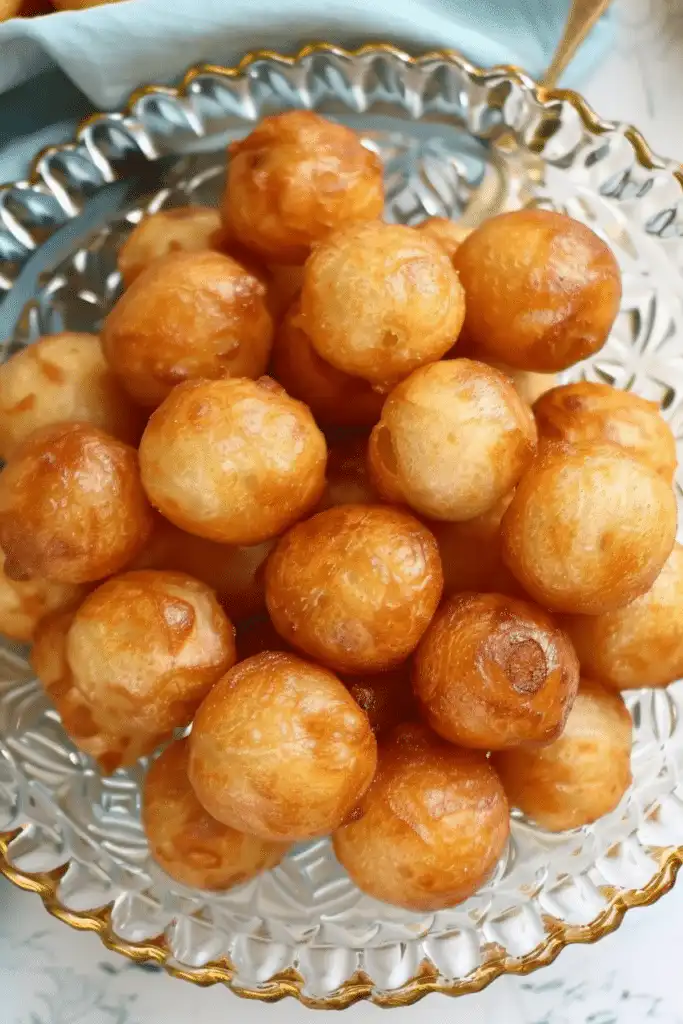
Table of Contents
The History and Cultural Roots of Loukoumades
The Ancient Origins of Loukoumades in Greece
The loukoumades, or Greek honey doughnuts, have their roots in the heart of ancient Greece. These golden, lightly fried dough balls were not just a treat for the sweet tooth. Historical records suggest that they were once presented to athletes who triumphed in the earliest Olympic Games. At that time, these honey-soaked pastries symbolised excellence and were regarded as a reward for physical strength and honour.
The original versions of loukoumades were made using very basic ingredients, such as flour, yeast, and honey. What made them special was not only the taste but also the tradition behind them. Families carefully passed these recipes down from one generation to the next, preserving both the technique and the emotions tied to them. These sweet treats were typically served on joyful occasions, such as religious holidays, family gatherings, and festivals. Over time, they became a familiar comfort food that represented togetherness and celebration.
Today, loukoumades are still widely enjoyed in Greek homes and bakeries. Whether served at weddings, name-day celebrations, or simply during Sunday family dinners, they bring people together with their warm aroma and delicious flavour. While modern variations may include different toppings or oils, the core essence of the recipe remains the same. The process of frying small dough balls and coating them in syrup has been cherished for centuries and continues to spread joy.
Greek and Turkish Influence: A Culinary Tug of Identity
One of the most frequently asked questions is whether loukoumades originated from Greece or Turkey. Similar variations exist throughout the Mediterranean and Middle East. In Turkey, they are called “lokma,” and in parts of the Arab world, a similar dish is known as “luqaimat.” Each culture adds its own twist, making the debate about origin complex and layered.
What sets Greek loukoumades apart is their light, airy texture and their generous soaking in a rich honey syrup. Greek versions are often topped with crushed walnuts, a dusting of cinnamon, or even powdered sugar. Turkish lokma, by contrast, can be denser and may include floral or citrus elements, such as rose water or orange zest, in the syrup. The preparation also varies slightly by region, with different spices and techniques passed through generations.
Despite these differences, the love for syrupy fried dough is something all these cultures share. Food has a way of crossing borders, and loukoumades are a perfect example of how one recipe can be celebrated in many ways. Within Greek households, however, loukoumades are more than a dessert. They are often handmade and offered with love, symbolising hospitality and community.
Traditional Loukoumades Recipe Overview
Classic Ingredients Behind Authentic Loukoumades
The foundation of a true loukoumades Greek honey doughnuts recipe lies in its simplicity. The ingredients are easy to find, and the magic comes from how they work together. To create that light and fluffy interior with a crisp golden shell, you need just a few pantry staples. The essential ingredients include all-purpose flour, active dry yeast, warm water, lukewarm milk, cornstarch, and a touch of sugar. Olive oil is often used for both the dough and frying, adding a subtle richness to the flavour.
What makes these doughnuts distinctly Greek is the syrup they are topped with. Greek honey plays a starring role, bringing warmth and depth that balances perfectly with the fried dough. Many home cooks also add a mix of crushed nuts, such as walnuts or pistachios, along with a sprinkle of cinnamon or powdered sugar to finish.
Using quality ingredients is key. Fresh yeast will help the dough rise properly, and a neutral oil such as grapeseed ensures a clean fry without overpowering the flavour. Keeping everything at room temperature also helps the dough develop more evenly, resulting in a better texture in the final product.
The Role of Honey Syrup in Greek Cuisine
In Greek cooking, honey syrup is more than a finishing touch. It plays a central role in many traditional desserts, adding a signature sweetness that defines recipes like loukoumades, Greek honey doughnuts. This syrup is usually made by simmering honey, sugar, and water together until it thickens slightly. Some cooks prefer to add a piece of lemon peel or a cinnamon stick while it simmers, giving it a light fragrance and an extra layer of flavour.
Preparing the syrup in advance is an important step. Letting it cool before dipping in the doughnuts ensures the best result. Warm loukoumades absorb the syrup gently, allowing their centres to stay soft while their crispy exterior remains intact. This process creates a satisfying contrast in texture, making each bite full of rich, balanced sweetness.
Honey has always had a special place in Greek food culture. It is seen not only as a sweetener but as a symbol of generosity and good fortune. You’ll find it in everything from baked goods to drinks. This recipe brings together history and flavour in a way that reflects the heart of Greek dessert traditions.
Step-by-Step Loukoumades Greek Honey Donuts Recipe
How to Prepare the Dough Like a Pro
To begin making loukoumades, Greek honey doughnuts, you first need to prepare a soft and airy dough. Start by adding lukewarm water to a large bowl, followed by a small amount of sugar and active dry yeast. Stir gently and let it rest for around ten minutes. Once you see bubbles forming on the surface, the yeast is active and ready.
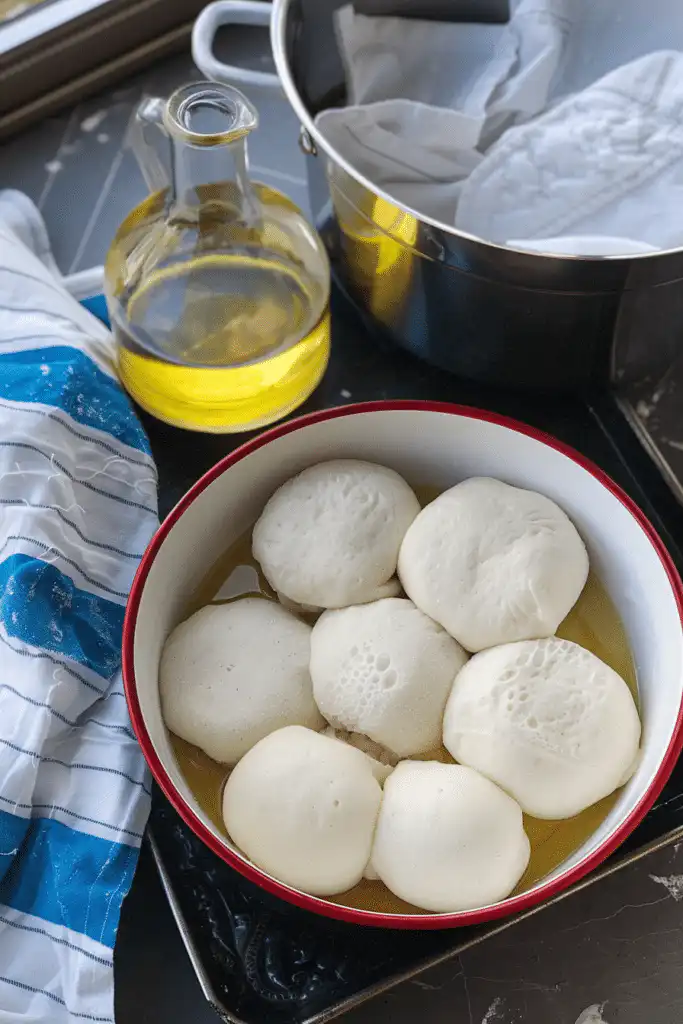
Now it’s time to build the dough. Add all-purpose flour, cornstarch, warm milk, and a small amount of olive oil to the bowl. Use a wooden spoon or spatula to stir the mixture until it forms a dense, sticky batter. There’s no need to knead the dough; combine it well until smooth. Seal the bowl with plastic wrap and place it in a warm spot for approximately 1 hour, or until the dough has doubled in size.
Once the dough is ready, it should feel soft and elastic. Lightly grease your hands to prevent sticking, then form small balls from the dough, about the size of a walnut. Place the dough balls on a baking tray lined with parchment paper or sprinkled with flour. This step will make transferring them to hot oil much easier during the frying process.
Frying Tips for Light, Crispy Doughnuts Every Time
Achieving the right texture in loukoumades depends on maintaining the proper oil temperature throughout the frying process.. Begin by pouring your preferred frying oil into a deep saucepan. Grapeseed oil is a great option because it heats evenly and has a neutral taste that lets the honey and dough shine. Warm the oil over medium heat until it reaches approximately 325°F. Using a kitchen thermometer is the most accurate way to track this.
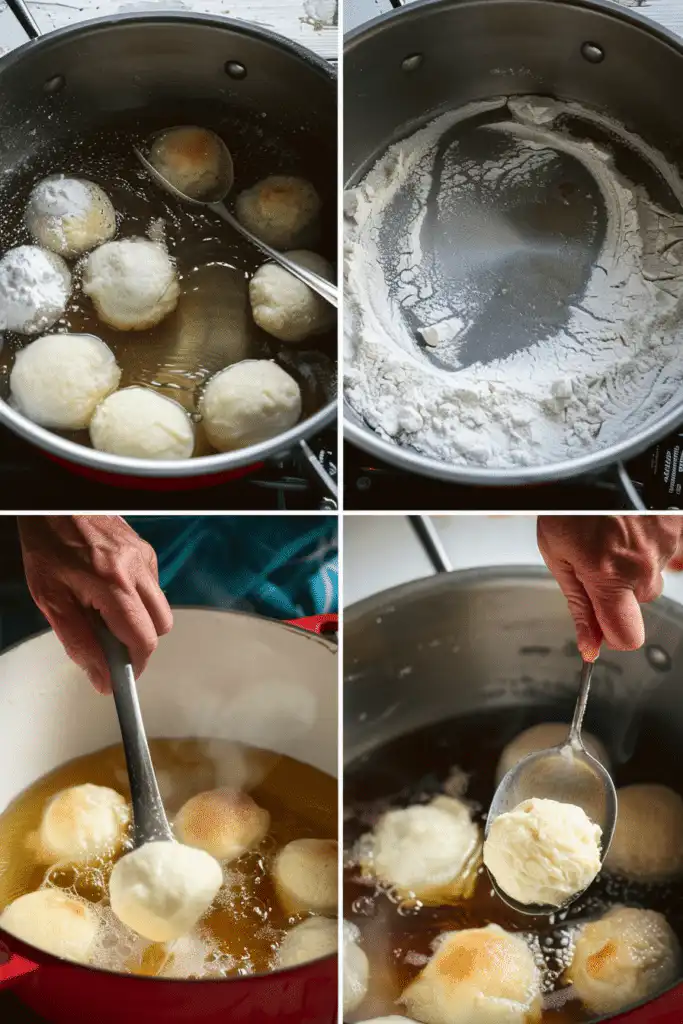
Before frying, lightly coat a spoon with oil to prevent sticking. Scoop a few dough balls at a time and gently place them into the hot oil. Be sure not to overcrowd the pot, as this can lower the oil temperature and result in uneven cooking. Fry in small batches for the best results. As they cook, use a slotted spoon to turn each doughnut so it browns evenly on all sides. This process usually takes two to three minutes per batch.
Once the loukoumades are light, golden, and fully puffed, remove them from the oil and place them on a paper towel-lined tray to drain any excess oil. While they’re still warm, dip each one into the prepared honey syrup. Roll them gently to coat all sides, then place them on a serving plate.
Continue the process with the remaining dough. Once all the loukoumades are glazed, finish them with a sprinkle of chopped nuts, ground cinnamon, or a dusting of powdered sugar. At this point, your loukoumades, Greek honey doughnuts, are ready to serve—crisp, sweet, and full of flavour in every bite.
Crafting the Perfect Honey Syrup and Frying Technique
How to Make the Signature Honey Syrup
The signature honey syrup used in loukoumades brings the whole dessert together. It adds sweetness, shine, and that irresistible sticky finish that makes every bite memorable. To prepare it, combine equal parts honey, sugar, and water in a small saucepan. Stir the mixture over medium heat until the sugar completely dissolves.
Once it starts to boil gently, reduce the heat and let the syrup simmer for about 15 to 20 minutes. This allows the flavours to deepen and the texture to thicken slightly. For a more aromatic syrup, you can add lemon peel or a cinnamon stick during the simmering process. Once finished, remove it from the heat and set it aside to cool completely. Cool syrup sticks better to freshly fried loukoumades and keeps the outside crisp.
Frying Loukoumades to Golden Perfection
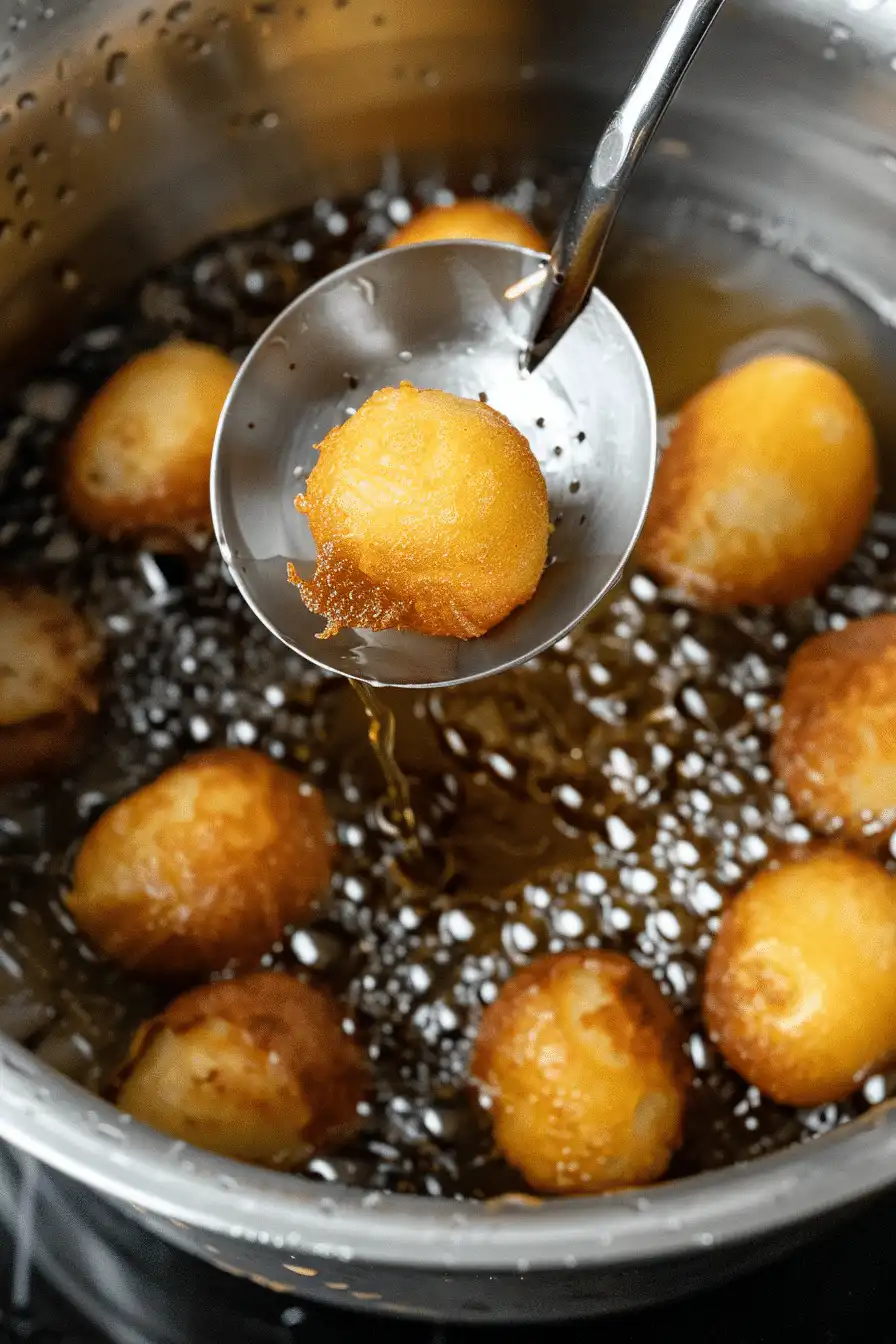
To create loukoumades with a crisp outer shell and a soft, airy centre, it’s important to control the frying process carefully. Begin by adding a neutral oil to a deep, heavy-bottomed saucepan. Grapeseed oil is a great option due to its high heat tolerance and mild flavour, which allows the natural sweetness of the dough and syrup to shine.
Warm the oil over medium heat until it reaches a steady temperature of approximately 325°F. Use a kitchen thermometer to monitor the heat and ensure it remains consistent throughout the process.
Lightly oil a spoon to help prevent the dough from sticking. Scoop out small portions and gently drop each one into the hot oil. Avoid crowding the pan, as doing so can reduce the oil temperature and cause uneven cooking. Work in small batches for the best results.
As the dough balls cook, use a slotted spoon to turn them occasionally, ensuring all sides brown evenly. Each batch should take approximately two to three minutes, depending on the size of the loukoumades and the oil temperature.
When the loukoumades are golden and puffed, remove them from the oil and transfer them to a tray lined with paper towels. This helps absorb any leftover oil and keeps them from becoming greasy.
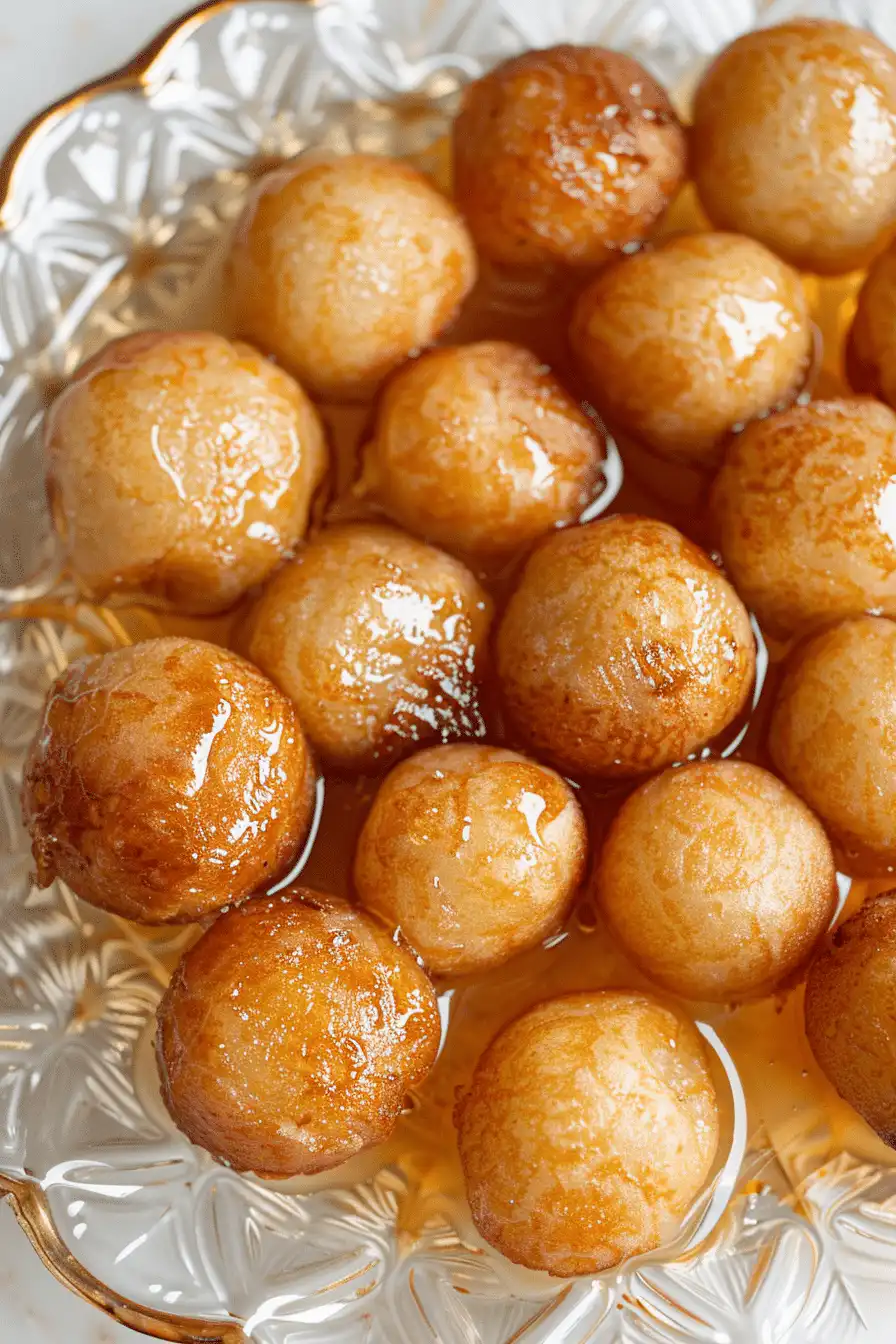
While they’re still warm, place each loukoumades into the prepared honey syrup. Roll them gently to coat all sides evenly, then transfer them to a clean serving plate.
Continue frying and glazing the remaining dough in the same manner. Once all the doughnuts are ready, add your finishing touch with crushed walnuts or pistachios, a dusting of powdered sugar, or a pinch of ground cinnamon to give them that classic Greek look and taste.
Toppings and Variations
Traditional Finishes for Classic Loukoumades
Once your loukoumades are fried and soaked in syrup, the toppings are what bring them to life. Traditional Greek-style finishes are simple yet flavorful. The most popular option is a generous sprinkle of crushed nuts. Walnuts and pistachios are often used for their texture and earthy flavour, which pair beautifully with the sweetness of the honey.
A light dusting of powdered sugar adds a delicate sweetness, while ground cinnamon brings warmth and depth. These additions are not just decorative. They complement the sticky syrup and crispy dough, creating a balanced bite every time.
These classic toppings are deeply rooted in Greek family traditions. They are still used today in homes, bakeries, and celebrations across the country.
Creative Flavours for a Modern Twist
While loukoumades are best known for their traditional preparation, modern variations have gained popularity among both home cooks and pastry chefs. For those who love indulgent treats, drizzle your doughnuts with melted chocolate, caramel sauce, or Nutella for an extra special treat. These additions offer a rich contrast to the light dough and syrup.
You can also get creative with toppings like crushed cookies, sesame seeds, or shredded coconut for added crunch and variety. For a bold flavour twist, experiment with flavoured syrups. Infuse the honey syrup with orange zest, cardamom, or rosewater to add a unique aroma to the dessert.
Some adventurous versions of loukoumades include filled centres. Try piping in vanilla custard, whipped cream, or fruit preserves for a surprise with every bite. These modern adaptations still honour the essence of the dish while offering something new for every generation of dessert lovers.
Serving Suggestions and Presentation Ideas
How to Serve Loukoumades for Any Occasion
Loukoumades are versatile and can be served in many ways depending on the occasion. Whether you’re preparing them for a casual family dessert or a festive gathering, their warm, golden look and syrupy finish make them a crowd-pleaser. The best time to serve loukoumades is shortly after frying while they are still warm. The crisp shell and soft center contrast beautifully when fresh.
For everyday enjoyment, place them in a shallow bowl or a platter. Drizzle them with extra syrup and let guests top them with their choice of nuts or cinnamon. They pair well with a cup of strong Greek coffee or a simple herbal tea, making them perfect for an afternoon treat or a relaxed weekend indulgence.
Elegant Presentation Tips for Holidays and Events
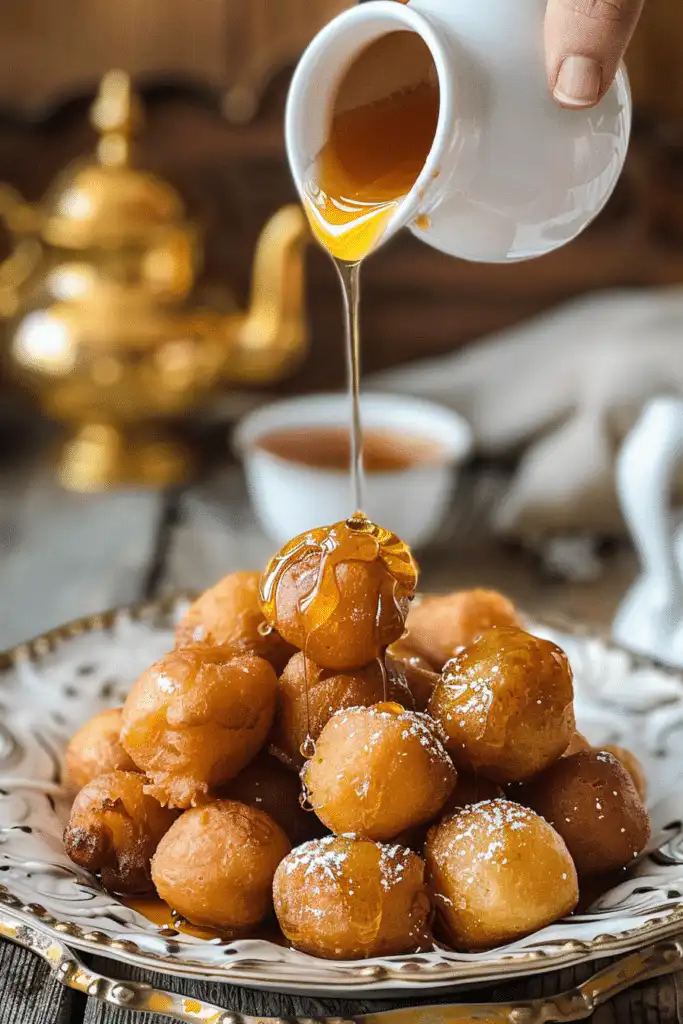
When serving loukoumades at weddings, holiday parties, or cultural events, a more polished presentation can elevate the experience. Stack the doughnuts into a small pyramid or tower on a cake stand and drizzle honey syrup from the top so it trickles down the sides. Garnish with crushed pistachios and edible flowers for a beautiful, natural finish.
You can also serve them in individual dessert cups or mini plates for a more refined look. Add a small spoonful of whipped cream or Greek yoghurt on the side for extra richness. Using gold or silver-toned trays enhances the festive feel and highlights the warm, caramel-colored glaze of the honey.
Loukoumades can also be served as part of a Greek dessert buffet, where guests can sample them alongside other traditional sweets, such as baklava or kataifi. This approach is ideal for weddings, name-day celebrations, and religious feasts.
Storage Tips and Reheating Instructions
How to Store Loukoumades for Later
Loukoumades are always best when enjoyed right after frying and glazing, while they’re still warm and crisp. However, if you have extras, you can store them correctly to maintain their flavour and texture as close to fresh as possible.
Refrigerating syrup-coated loukoumades is not recommended. The cold can make them soggy and take away their signature crunch. Instead, store them in an airtight container at room temperature for up to one day. Lay them flat in a single layer to prevent sticking.
If you want to keep them longer, store the doughnuts without syrup in the refrigerator. When it’s time to enjoy them again, reheat and coat with warm syrup before serving.
Best Ways to Reheat Loukoumades
If you want to enjoy leftover loukoumades with the same delicious texture, it’s important to reheat them properly. Please avoid using the microwave, as it tends to make the doughnuts soft and chewy rather than crisp.
A better method is to use your oven. Preheat it to 350 degrees Fahrenheit. Place the loukoumades on a baking tray lined with parchment paper and heat them in the oven for five to seven minutes. This helps restore their light crunch while keeping the inside tender.
If your loukoumades were stored without syrup, reheat the syrup separately and then pour it over the warm doughnuts right before serving. Finish with a sprinkle of cinnamon or a handful of crushed nuts for a fresh flavour boost.
For a faster solution, especially when reheating a small number of pieces, the air fryer works well. Set the temperature to 325 degrees Fahrenheit and heat the loukoumades for approximately three minutes. This keeps the exterior crisp and reduces the time required.
Loukoumades in Global Dessert Culture
Loukoumades, Lokma, and Luqaimat: What’s the Difference?
While loukoumades are a staple in Greek desserts, many cultures across the Mediterranean and Middle East enjoy similar fried dough treats. These versions often resemble one another but differ in flavour, preparation, and cultural significance.
In Turkey, they are known as lokma. These tend to be slightly denser and are often soaked in syrup made with citrus or rosewater. They are commonly served at large gatherings, such as funerals or charity events, as a gesture of appreciation to guests.
In Arabic-speaking countries, especially in the Gulf region, a close relative called luqaimat is very popular during Ramadan. These small, golden dough balls are flavoured with saffron and cardamom. They are typically served with date syrup or a sugar glaze rather than honey.
Although these variations share a common foundation—fried dough and sweet syrup—their ingredients and symbolic roles reflect the diverse regions where they are made. Loukoumades, in particular, stand out for their light texture and the deep-rooted connection to Greek festivals, family meals, and historical traditions.
Why Loukoumades Continue to Win Hearts Worldwide
Thanks to their simplicity and nostalgic charm, loukoumades have grown in popularity far beyond Greece. From street fairs in Athens to modern bakeries in New York and Melbourne, these golden doughnuts are making their mark. Food lovers everywhere are drawn to their crisp shell, soft inside, and rich honey glaze.
Modern chefs have also begun experimenting with loukoumades by offering savoury versions, using flavoured syrups, or incorporating local ingredients to appeal to different palates. Vegan and gluten-free adaptations have also helped make this dessert more accessible.
What makes loukoumades truly special is how they bring people together. Whether served during a holiday, at a family gathering, or as a sweet surprise after dinner, they remain a symbol of warmth and celebration.
Health Facts and Nutritional Breakdown
Calories and Nutritional Overview of Loukoumades
While loukoumades are a delicious and satisfying treat, it’s helpful to understand their nutritional profile. On average, one small loukoumades contains about 65 calories. These calories primarily come from carbohydrates, which include flour and the sugar in the honey syrup. Each piece has a small amount of fat, most of which comes from the frying process, and minimal protein.
Here is a basic nutritional estimate for one small loukoumades:
| Nutrient | Per Serving (1 piece) |
|---|---|
| Calories | 65 kcal |
| Carbohydrates | 14.5 g |
| Sugars | 9.4 g |
| Fat | 0.8 g |
| Saturated Fat | 0.1 g |
| Protein | 0.7 g |
| Sodium | 4.2 mg |
| Fiber | 0.2 g |
| Iron | 0.3 mg |
Although loukoumades are small, they are best enjoyed in moderation, especially due to the high sugar content of the syrup.
Lighter Options and Dietary Variations
If you are looking to enjoy loukoumades with fewer calories or adjusted ingredients, there are ways to modify the recipe. You can bake them instead of frying, though they won’t be quite as crisp. Another option is to use an air fryer. It reduces the oil content while keeping a nice texture.
For those who need dairy-free or vegan options, substitute the milk in the dough with almond or oat milk. Use maple syrup or agave instead of honey to make the glaze fully plant-based.
Gluten-free flours such as a 1-to-1 gluten-free blend can be used in place of regular flour. While the texture may vary slightly, the flavour remains delightful.
Conclusion
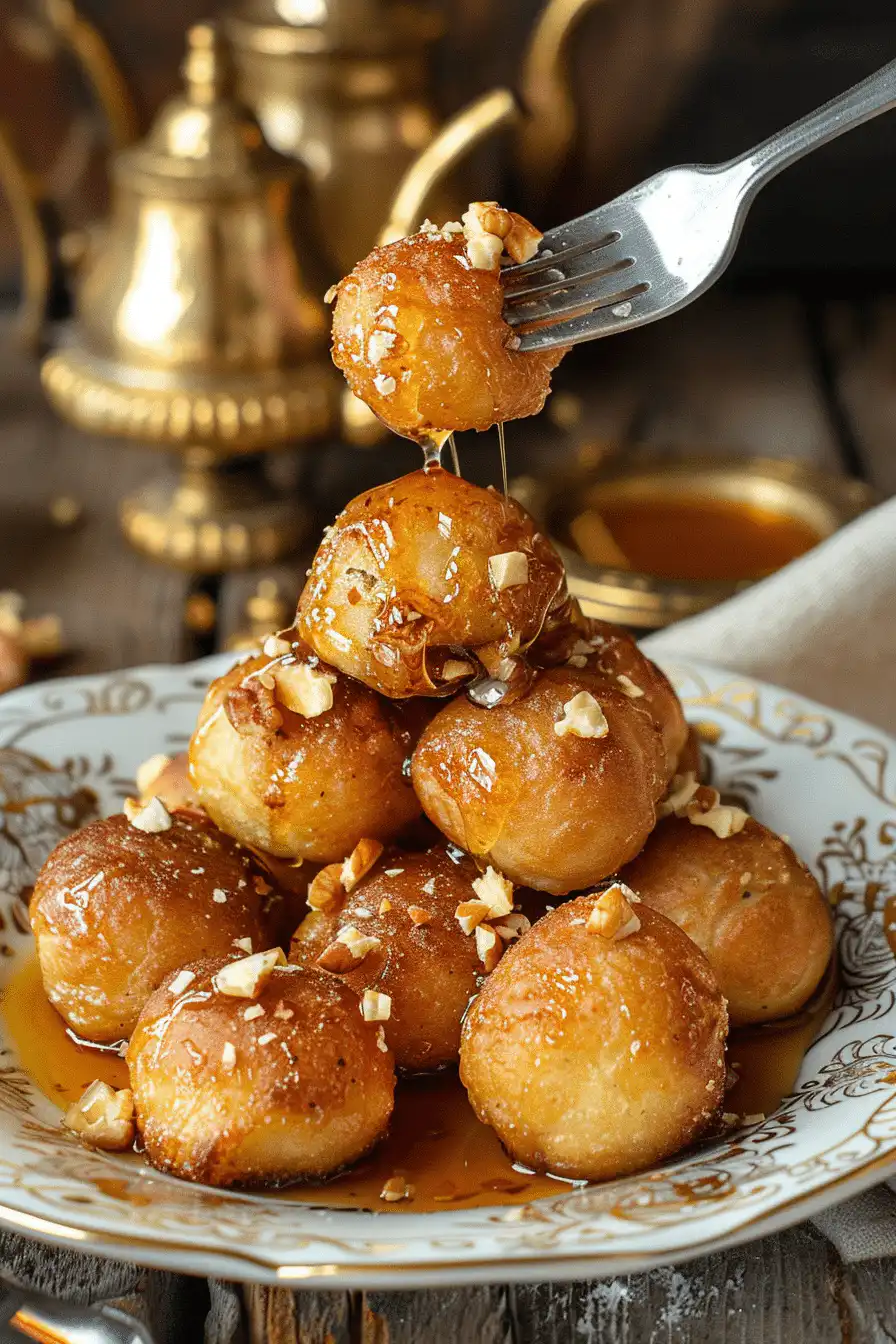
Loukoumades, Greek honey doughnuts, are more than just a sweet treat. They are a celebration of tradition, comfort, and connection. From their ancient roots in Olympic history to modern kitchens around the world, loukoumades continue to bring people together through simple ingredients and irresistible flavour.
Whether you follow the classic version with honey and nuts or experiment with your own creative toppings, loukoumades are a dessert that invites sharing. Their golden, crispy outside and tender inside make them perfect for holidays, gatherings, or even a quiet night in.
Now that you’ve seen how easy they are to make at home, why not bring a little bit of Greek flavour to your own kitchen?
Frequently Asked Questions
Quelles sont les origines des loukoumades ?
Les loukoumades trouvent leurs origines dans la Grèce antique. Ces petits beignets au miel étaient autrefois offerts aux athlètes vainqueurs lors des premiers Jeux olympiques en signe de victoire et de célébration. Ce dessert traditionnel est considéré comme l’un des plus anciens connus au monde et reste encore aujourd’hui un symbole fort de convivialité dans la cuisine grecque.
Les loukoumades sont-ils de la nourriture grecque ou turque ?
Les loukoumades sont une spécialité profondément enracinée dans la culture grecque, mais des versions similaires existent également dans la cuisine turque sous le nom de lokma. Les deux pays partagent des recettes proches, mais avec des variations. En Grèce, ils sont souvent plus légers, trempés dans un sirop au miel, et servis avec des noix et de la cannelle, tandis que les lokmas turcs peuvent être plus denses et accompagnés d’arômes comme l’eau de rose ou le citron.
Les loukoumades doivent-ils être réfrigérés ?
Il n’est pas conseillé de réfrigérer les loukoumades déjà nappés de sirop, car cela rend leur texture molle et moins agréable. Il vaut mieux les conserver à température ambiante dans un récipient hermétique pendant un jour maximum. Si vous devez les garder plus longtemps, conservez-les sans sirop au réfrigérateur et ajoutez le sirop une fois réchauffés.
Quelle est la différence entre Lokma et Luqaimat ?
Lokma est le nom turc de beignets similaires aux loukoumades, souvent servis avec un sirop parfumé au citron ou à la rose. Luqaimat, quant à eux, sont populaires dans les pays du Golfe, notamment pendant le Ramadan. Ils sont généralement parfumés avec du safran ou de la cardamome et nappés de sirop de datte. Bien que tous trois partagent une base de pâte frite et de sirop, leurs arômes, textures et contextes culturels varient selon les régions
