

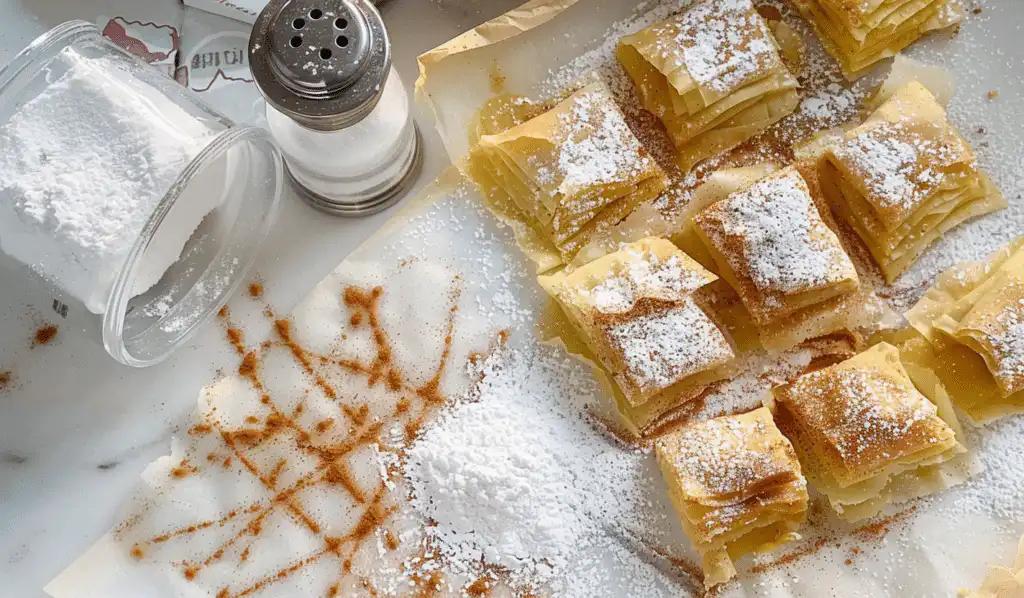
Greek desserts culture and commerce are a beautiful reflection of how food, history, and tradition come together. From the crunch of fresh baklava to the warmth of syrup-soaked loukoumades, each dessert carries stories passed down through generations. These sweets are more than just food—they are tied to holidays, weddings, family gatherings, and the everyday joy of sharing.
Over time, ancient recipes, regional ingredients, and international influence have shaped the Greek dessert culture and commerce. Ingredients like honey, nuts, and citrus have been used for thousands of years, while phyllo-based techniques were introduced through trade with the Middle East. Today, Greek desserts connect people across cultures, both at home and around the world.
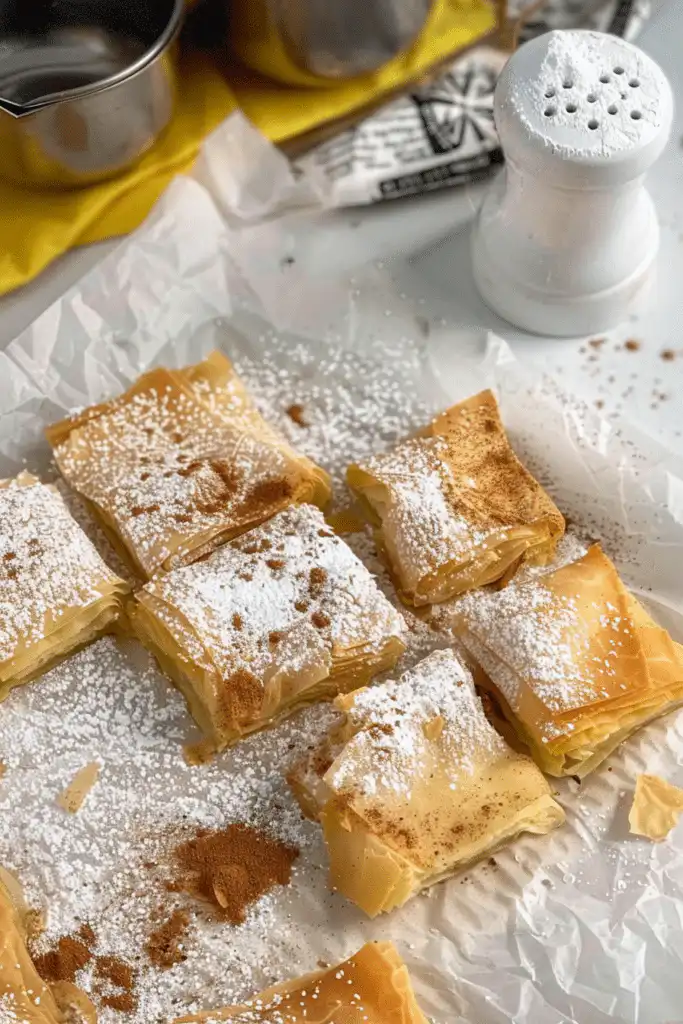
Table of Contents
Greek Dessert Traditions and Historical Influence
Ancient Origins of Greek Sweets
Greek desserts have roots that reach far into antiquity. Before introducing refined sugar, ancient Greeks used natural sweeteners like honey, grape must, and dried fruits to craft meaningful yet straightforward confections. These early sweets were often tied to rituals and seasonal harvests. Honey-drizzled barley cakes and fig-filled pastries were enjoyed at the end of meals and used as offerings to the gods and honoured guests.
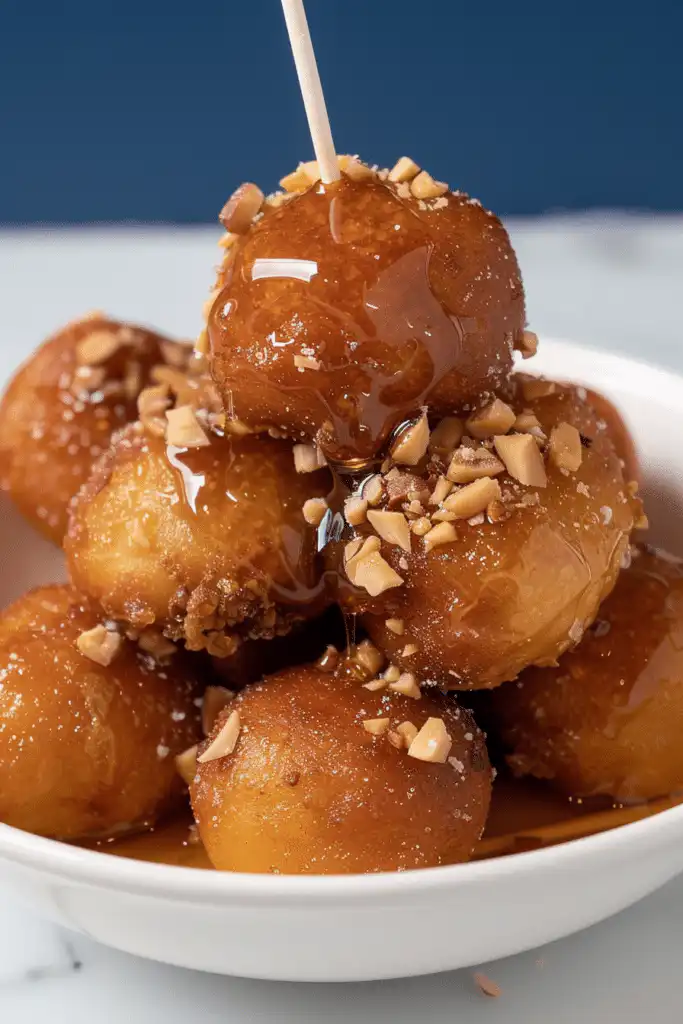
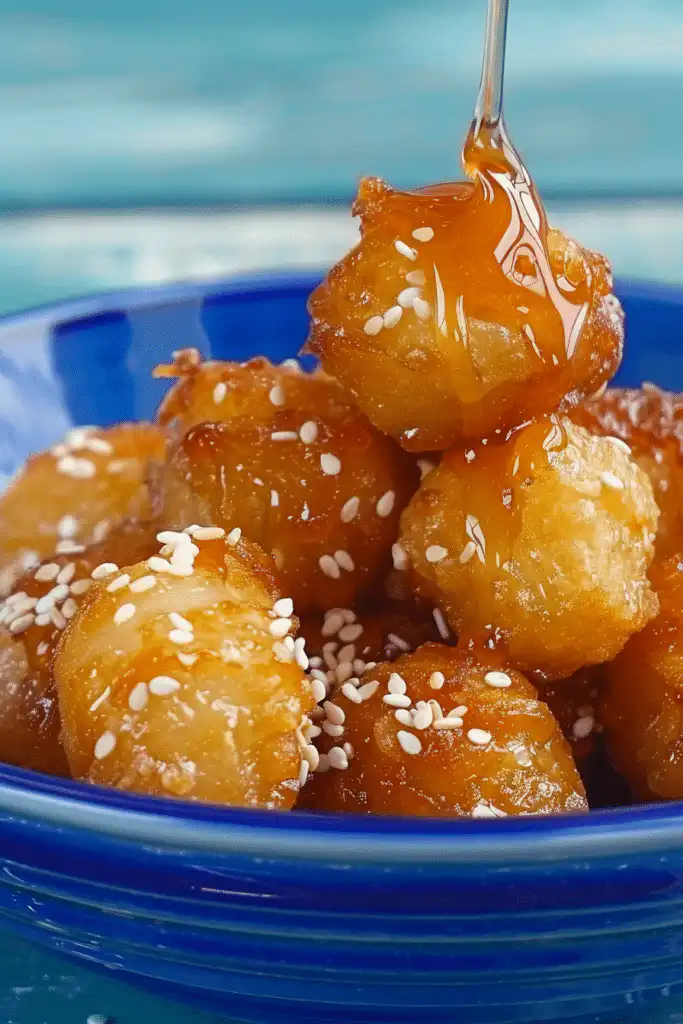
One of the earliest known desserts, resembling today’s loukoumades, was given to Olympic champions as a reward for their victories. These small fried dough balls, coated in honey, were enjoyed as a sweet treat and a symbol of honour. Such traditions highlight how Greek sweets have long had cultural significance beyond flavour.
As agriculture advanced, desserts began to reflect local ingredients and regional pride. Olive oil, nuts, grapes, and herbs became staples in dessert making. Recipes were shared orally, passed down through generations, and shaped by geography and climate. What began as simple ingredients evolved into a culinary legacy that still thrives today.
Influence of Trade and Cultural Exchange
Greek desserts were shaped through centuries of travel, trade, and migration. As new ingredients like phyllo dough, cinnamon, and rose water entered the region, they influenced how sweets were prepared. These flavours blended with local traditions to form desserts still enjoyed today.
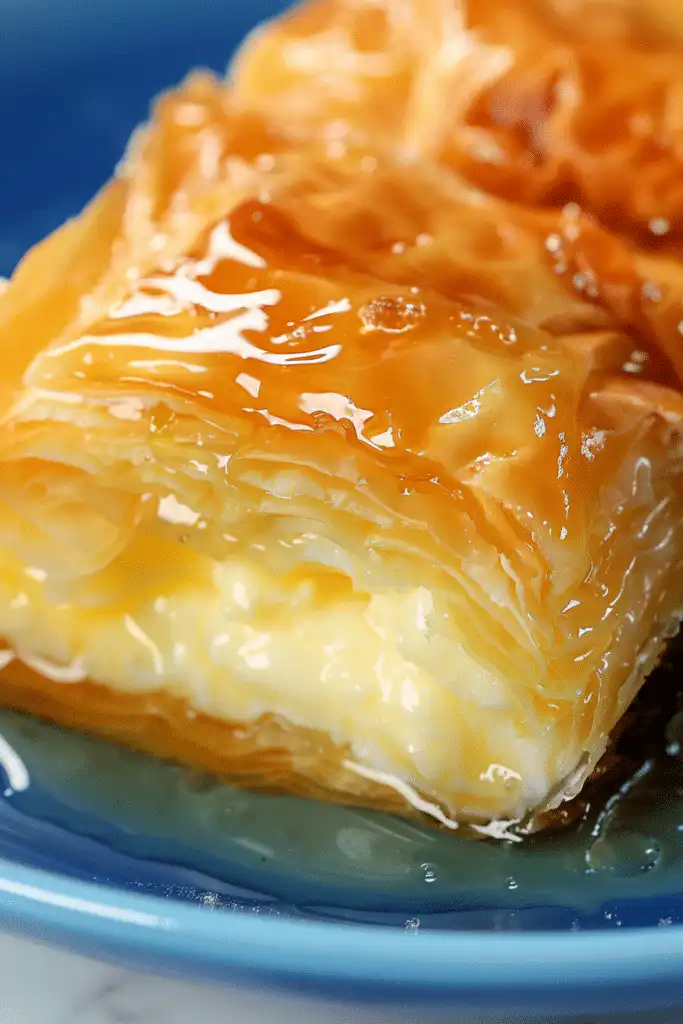
Baklava, kataifi, and galaktoboureko are all part of this legacy. Though similar sweets exist elsewhere, Greek versions stand out for using native honey, spices, and careful preparation. Each dessert reflects the connection between cultural exchange and culinary identity.
The growth of Greek dessert culture and commerce came from this blending of ideas and flavours. With time, Greek desserts and their connection to culture and commerce reflected national identity and global popularity.
Symbolism and Ritual in Greek Dessert Culture
Greek desserts are more than food. They are a gesture of hospitality and a symbol of respect. In homes and restaurants, sweets are often given freely to welcome guests and show appreciation.
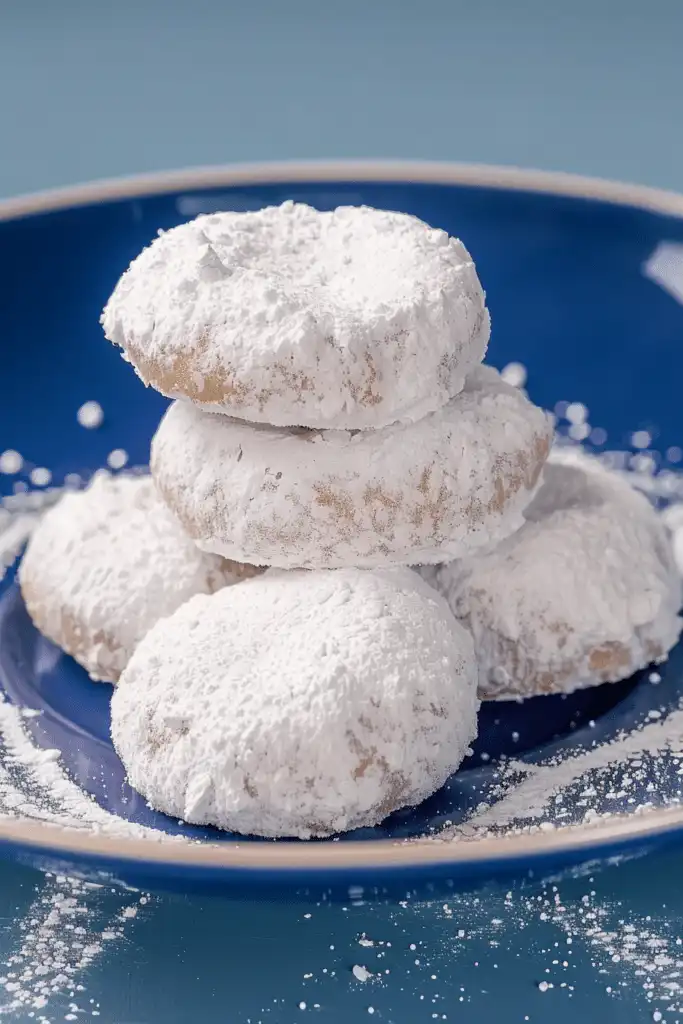
During holidays, desserts play a special role. Christmas brings melomakarona and kourabiedes. Weddings feature diples. Lent calls for halva. Each sweet matches the moment, connecting flavour with tradition.
This deep connection is at the heart of Greek dessert culture and commerce. Sweets reflect life events and values. Over time, Greek dessert culture commerce has helped share these customs with the world.

Regional Varieties and Ingredients That Define Greek Sweets
Greek desserts reflect the flavours of each region. On the islands, spoon sweets made from fruits like fig and orange are typical. Revani is a popular dessert in northern Greece, made with semolina, infused with lemon, and soaked in sweet syrup. In the south, diples stand out. These crisp pastries are made from thin dough, fried and sweetened with honey and walnuts.
Across the country, local ingredients such as olive oil, nuts, honey, and citrus shape traditional desserts. These recipes may be simple, but they carry profound meaning. Every sweet represents the land it comes from and the families who have passed it down.
This regional diversity plays a growing role in Greek dessert culture and commerce. Visitors seek out these authentic flavours, and producers now share them far beyond Greece. As demand rises, Greek dessert culture commerce continues to connect heritage with opportunity in both local and global markets.
The Role of Greek Desserts in Modern Commerce
Greek desserts have become part of a growing global market. Sweets like baklava and halva are now sold in shops and online, often made from family recipes.
Tourists and food lovers support this demand. Many producers ship their products worldwide, keeping traditions alive through modern business.
The rise of Greek dessert culture and commerce shows how local flavours can reach international tables. As interest grows, Greek dessert culture commerce helps share Greece’s heritage through every bite.
Greek Desserts in Seasonal and Religious Celebrations
Greek desserts play a key role in holidays and religious events. During Christmas, families prepare melomakarona and kourabiedes. These cookies are made with honey, nuts, and warm spices, filling homes with familiar scents.
At weddings, it is common to serve dips. Their sweet, golden layers symbolise joy and prosperity. During Lent, halva becomes a favorite. It contains no dairy and fits within fasting traditions.
These customs are part of what strengthens Greek dessert culture and commerce. Each dessert connects to a specific time of year and carries meaning beyond taste. Over time, Greek dessert culture and commerce have helped these traditions stay alive, even as they reach new audiences.
The Influence of Ancient Greece on Modern Sweets
Many Greek desserts have roots in ancient times. Early recipes used honey, nuts, figs, and olive oil. These natural ingredients were common in daily meals and used in religious offerings.In ancient times, loukoumades were served to athletes as a reward during the early Olympic Games.
These small honey-soaked pastries are still made today, showing the long history of sweet traditions in Greece.
The use of simple ingredients continues in modern recipes. Ancient flavours and techniques remain important in Greek dessert culture and commerce, keeping the past alive through food. This connection helps Greek dessert culture and commerce grow while staying loyal to its origins.
Health, Special Diets, and Modern Greek Desserts
Modern Greek desserts now cater to different health needs and dietary choices. Recipes have been adapted to include vegan, gluten-free, and low-sugar options. This makes traditional sweets more accessible to a broader audience.

Many treats use natural ingredients like olive oil, tahini, and nuts. These choices add flavour while also offering health benefits. For example, tahini halva is plant-based and rich in nutrients, making it a popular option during fasting periods and for those avoiding dairy.
This shift supports the growth of Greek dessert culture commerce. As global interest in healthier eating rises, producers blend old recipes with modern needs. By doing so, Greek dessert culture and commerce reach more people without losing their traditional roots.
Global Influence and Greek Desserts Abroad
Greek desserts have found a home in many countries around the world. Bakeries, restaurants, and food markets now offer traditional sweets like baklava, kataifi, and galaktoboureko to international audiences.
As people travel or explore global cuisine, interest in Greek flavours grows. These desserts are now part of menus and celebrations far beyond Greece.
This worldwide reach adds to the strength of Greek dessert culture and commerce. Greek communities abroad help share family recipes while businesses introduce new customers to old traditions. Through exports and cultural events, Greek dessert culture and commerce continue to expand across borders.
The Future of Greek Desserts in Food Tourism and Exports
Greek desserts play an essential role in shaping the future of food-focused travel. Many travellers look for traditional sweets to connect with local culture during their visits. From local pastry shops to village festivals, dessert has become a key part of visiting Greece.

The export market is also growing. More producers are packaging traditional recipes for international sale. Their focus on quality and story helps build trust with global customers.
As a result, Greek dessert culture commerce is moving beyond tradition into new markets. With support from tourism, trade, and media, Greek dessert culture and commerce are ready to reach more people while keeping their roots intact.
Conclusion
Greek desserts are more than sweet treats. They are a living part of Greek identity, shaped by history, faith, and everyday life. From ancient recipes to modern adaptations, each dessert tells a story. Whether served during a holiday, at a wedding, or in a local bakery, these sweets offer a taste of tradition.
The continued growth of Greek dessert culture commerce shows how deeply food and culture are connected. As more people explore Greek flavours, these desserts travel from village kitchens to global markets while honouring their roots.
Frequently Asked Questions
What are traditional Greek desserts?
Traditional Greek desserts include a variety of sweet treats made with ingredients like honey, nuts, olive oil, and phyllo dough. Popular examples are baklava, galaktoboureko, kourabiedes, melomakarona, loukoumades, and kataifi. These desserts often reflect regional customs and are tied to holidays, weddings, and religious celebrations.
Why do Greeks give free dessert?
Offering free dessert is a sign of hospitality in Greek culture. It reflects the idea of philoxenia, which means love for strangers. Restaurants and homes often serve sweets without charge to make guests feel welcome. This practice is a key part of greek desserts culture commerce, where kindness and tradition are valued alongside food.
What are some cultural desserts?
Cultural Greek desserts include spoon sweets, which are served to guests, as well as seasonal cookies like melomakarona at Christmas and diples at weddings. Each dessert is linked to a moment or event, showing how sweets express emotion, ritual, and tradition across generations.
What did the ancient Greeks have for dessert?
Ancient Greeks enjoyed simple sweets made from natural ingredients. These included honey cakes, dried fruits, and early versions of loukoumades. They used honey as a sweetener and often combined it with nuts, sesame seeds, and grains. These early treats laid the foundation for recipes still found in modern greek desserts culture commerce.
