

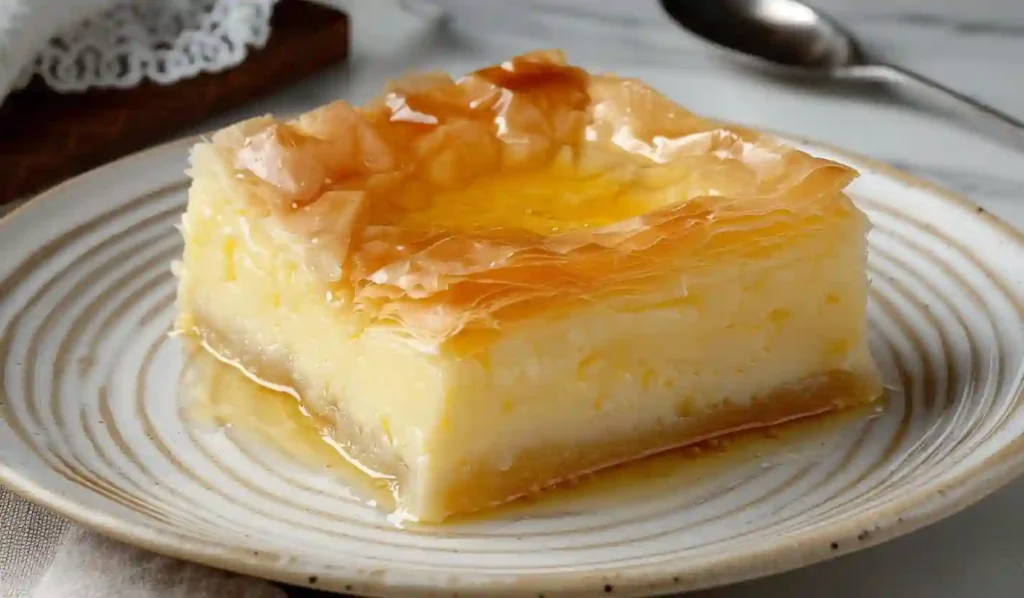
Gluten-Free Greek Desserts have always been close to my heart, blending the flavors of my heritage with a modern, inclusive twist. Growing up in a Greek household, food was more than just a meal—it was a way of showing love, celebrating traditions, and creating memories that last a lifetime. One dessert that instantly takes me back to those warm, bustling kitchen days is Bougatsa, the flaky, custard-filled pie just as perfect for breakfast as it is for dessert.
Inspired by chefs like Molly Yeh and shaped by the recipes passed down from my grandmother’s handwritten cards, I’ve taken the classic Bougatsa and given it a gluten-free transformation, without sacrificing the delicate crunch of the phyllo or the rich creaminess of the custard. I can still remember standing on a stool beside my mom, helping to brush each paper-thin sheet of pastry with butter, the sweet aroma of orange zest filling the air.
My travels through Greece deepened this love. In Thessaloniki, I watched bakers craft Bougatsa with skill and care, layering phyllo and custard like an edible work of art. That experience inspired me to create a version that everyone can enjoy, whether they follow a gluten-free diet or want to explore a fresh take on a classic.
At TastyJoyful, I’m passionate about making cooking simple, joyful, and accessible. This recipe will guide you step-by-step so you can bring a piece of Greece into your home. And once you’ve mastered this Bougatsa, check out my gluten-free Greek dessert recipes for more sweet, satisfying creations.
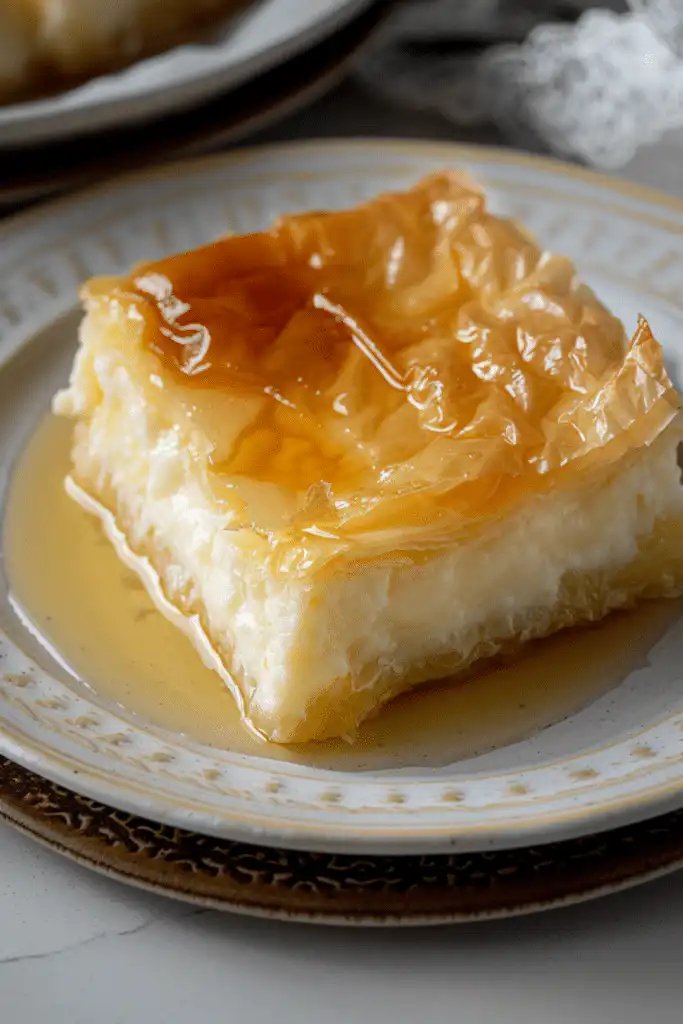
Table of Contents
Understanding Bougatsa in Greek Cuisine
Bougatsa and Its Place in Gluten-Free Greek Desserts
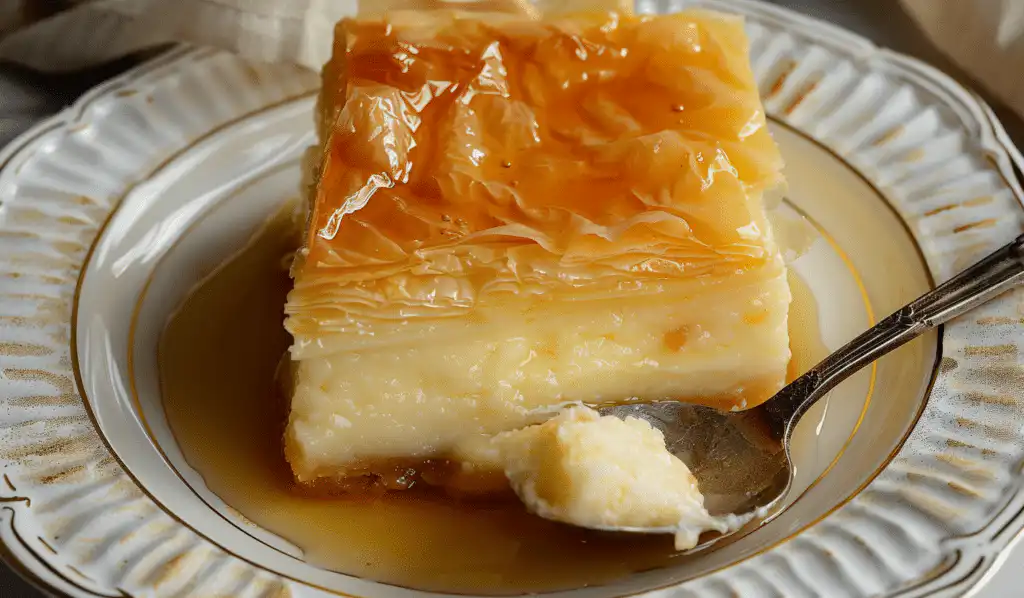
Bougatsa is one of Greece’s most cherished pastries. It is known for its delicate layers of phyllo wrapped around a creamy, sweet custard. While the classic recipe uses wheat-based phyllo, it can be easily recreated with gluten-free pastry sheets that deliver the same crisp bite and tender layers. This adaptation allows anyone following a gluten-free lifestyle to enjoy one of the most popular Greek desserts. In Greek homes, Bougatsa is often served warm, dusted with powdered sugar and cinnamon, making it a comforting choice for breakfast, brunch, or dessert.
Cultural Heritage and Regional Roots
The story of Bougatsa begins in Northern Greece, especially in the city of Thessaloniki, where it is a daily ritual for many. People gather in cafés early in the morning to enjoy a hot coffee alongside a slice of this indulgent pastry. Over time, families and bakeries have developed their signature styles, experimenting with fillings and flavors while preserving their essence. A gluten-free version keeps that tradition alive, ensuring everyone can experience the warmth, sweetness, and texture that make Bougatsa a symbol of Greek culinary pride.
Ingredients for Gluten-Free Bougatsa
Key Ingredients for the Custard Filling
To make a creamy custard that tastes just like the traditional version, you will need high-quality ingredients. Use fine semolina flour from gluten-free grains for a thick, smooth texture. Fresh eggs give the custard a rich color and structure, while sugar adds the perfect sweetness. Whole milk or a dairy-free alternative can be used, paired with a hint of vanilla extract for flavor depth. Orange zest is the ingredient that truly elevates this dessert, giving a fresh citrus aroma that complements the sweet custard beautifully.
Essential Ingredients for the Gluten-Free Phyllo Crust
For the crust, select a reliable brand of gluten-free phyllo pastry sheets to ensure a light and crispy finish. Melted butter or a dairy-free substitute is needed for brushing between each sheet to create that signature flaky texture. You’ll also need parchment paper to avoid sticking and simplify the baking process. Powdered sugar and ground cinnamon are sprinkled on top after baking to give the pastry a sweet and aromatic finish.

Step-by-Step Preparation for Gluten-Free Bougatsa
Preparing the Custard
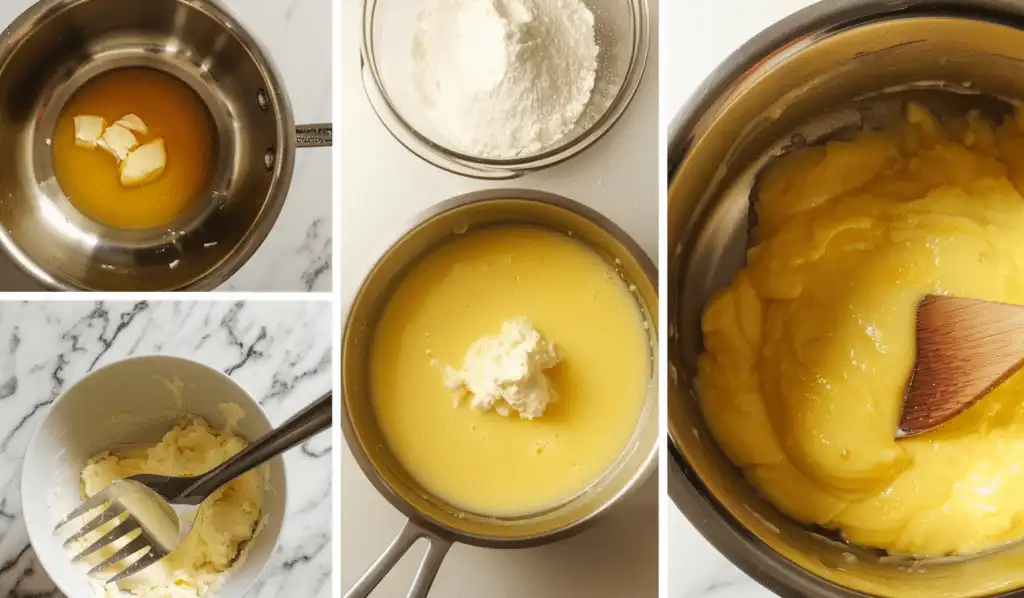
Crack the eggs into a mixing bowl, add sugar and gluten-free semolina, then whisk until the mixture is silky and lumps-free.In a saucepan, heat the milk with vanilla over low heat until warm but not boiling. Slowly stream hot milk into the egg mixture while whisking to keep it smooth. Pour everything back into the saucepan and stir over low heat until the custard becomes thick and creamy. Take off the heat, mix in the butter until entirely melted, then stir in the orange zest. Keep it moving occasionally so it stays smooth as it cools.
Building the Pastry Layers
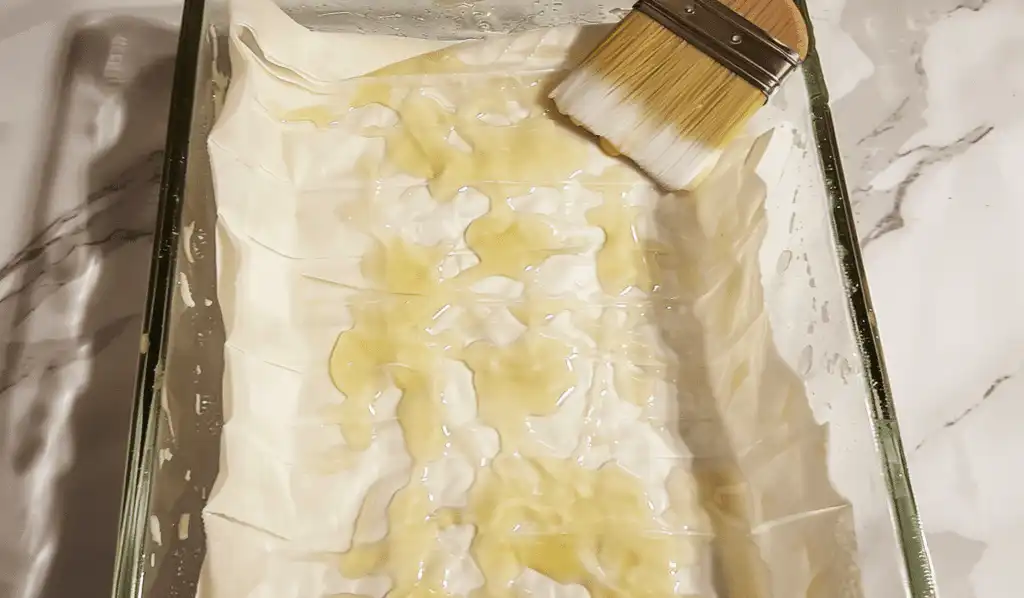
Grease a baking dish with melted butter and line it with parchment paper. Lay down one sheet of gluten-free phyllo, brush lightly with butter, and continue layering until you have six sheets. Spoon the custard evenly over the base, tuck in any edges, then add another six layers of buttered phyllo on top. Use a sharp knife to mark out serving squares before baking.
Baking and Finishing
Bake in a preheated 350°F oven for 30 to 40 minutes, or until the top turns golden and feels crisp. Let the pastry cool for 10 minutes to allow the layers to firm up. Dust generously with powdered sugar and a light sprinkle of cinnamon, then enjoy it. At the same time, it is still warm for the most delicious texture.

Tips and Tricks for the Perfect Gluten-Free Bougatsa
Choose the Right Gluten-Free Phyllo
Not all gluten-free phyllo brands bake the same. Look for one that becomes crisp and light in the oven. If it dries out quickly, keep it covered with a damp towel while assembling to prevent cracking.
Control the Custard Texture
For smooth custard, whisk continuously while cooking and keep the heat low to medium. This prevents lumps and ensures an even consistency. If the custard becomes too thick, add a splash of warm milk to loosen it before spreading it over the pastry.
Layer with Care
Spread melted butter on each phyllo sheet to achieve crisp, distinct layers. Press gently when layering to avoid tearing the sheets. This extra care gives the Bougatsa its signature crunch.
Bake Until Perfectly Golden
Use the visual cue of a deep golden top to know when it is ready. Overbaking can cause the custard to become dry, while underbaking will leave the pastry soft.
Serve at the Right Temperature
Bougatsa tastes best when slightly warm. Let it rest briefly after baking so the custard firms up but the pastry remains crisp. Dust with powdered sugar and cinnamon just before serving to keep the topping from melting into the crust.
Variations of Gluten-Free Bougatsa
Chocolate Bougatsa
Replace part of the custard with melted dark chocolate for a rich and indulgent twist. This version is especially popular with children and makes a beautiful dessert for special occasions.
Fruit-Filled Bougatsa
Add a layer of fresh or cooked fruit between the custard and the top phyllo layers. Berries, peaches, or figs pair wonderfully with the creamy texture and add a refreshing flavor.
Nutty Bougatsa
Mix finely chopped almonds, walnuts, or pistachios into the custard for a pleasant crunch. A drizzle of honey over the finished pastry will enhance the flavor even more.
Dairy-Free Bougatsa
Use plant-based milk and dairy-free butter to create a version that suits both gluten-free and dairy-free diets. Coconut milk offers a subtle sweetness while almond milk gives a lighter finish.
Savory Bougatsa
Although known as a dessert, Bougatsa can also be savory. Swap the custard for a gluten-free cheese filling and season lightly with herbs for a satisfying brunch.
Serving Ideas for Gluten-Free Bougatsa
Perfect for Breakfast or Brunch
Enjoy Bougatsa with a steaming cup of Greek coffee or a creamy latte for a warm and inviting start to the day. Its gentle sweetness offers a delightful change from traditional breakfast pastries like muffins or pancakes.
A Dessert for Special Gatherings
Present the pastry on a decorative platter dusted with powdered sugar and cinnamon. Pair it with a scoop of vanilla ice cream or a drizzle of honey for an elegant finish.
Tea-Time Companion
Bougatsa is an ideal match for herbal teas such as chamomile or mint. The warm pastry with a soothing tea creates a relaxing afternoon moment.

Pairing with Fresh Fruit
Serve with fresh slices of strawberries, figs, or peaches to lighten the richness of the custard and add a naturally refreshing touch. The vibrant fruit also brings a pop of color to the presentation.
Holiday Table Addition
Include Bougatsa in your festive dessert spread. It pairs well with baklava, kourabiedes, and melomakarona, creating a beautiful display of gluten-free Greek desserts for guests.
Storing and Reheating Gluten-Free Bougatsa
Short-Term Storage
If you intend to enjoy the Bougatsa within a couple of days, store any leftovers in an airtight container and refrigerate them. This helps maintain the freshness of both the custard and the gluten-free phyllo layers.
Freezing for Later
For more extended storage, let the Bougatsa cool entirely after baking. Wrap each slice in parchment paper and place it in a freezer-safe bag or container. This helps keep the flavor intact and maintains the pastry’s crisp texture.
Reheating for Best Texture
To bring back a crisp texture, warm Bougatsa in an oven set to 325°F for roughly 8 to 10 minutes. Skip the microwave, as it tends to soften the layers and diminish the flakiness. If heating from frozen, extend the baking time by several minutes.
Serving After Storage
Always sprinkle fresh powdered sugar and cinnamon just before serving. This keeps the topping light and prevents it from dissolving into the pastry during storage.
Conclusion
Adapting classic recipes for different diets allows more people to enjoy the flavors they love. Bougatsa is a perfect example of a traditional Greek pastry that can be recreated without wheat while keeping its delicate layers and creamy filling intact. Using quality ingredients and careful preparation, the result is a treat that is both inviting and full of character.
This pastry is just as welcome at a relaxed breakfast with coffee as at a festive dinner table. It is a dish that celebrates heritage and creativity, offering something special to share with friends and family.
Common Questions About Bougatsa
What ingredients are in Bougatsa
A traditional version uses phyllo pastry, semolina, eggs, sugar, milk, and butter, topped with powdered sugar and cinnamon. For a wheat-free option, choose gluten-free phyllo while keeping the rest of the ingredients the same.
How does Bougatsa differ from Galaktoboureko
While both pastries have custard and layers of phyllo, Bougatsa is often served without syrup and has a lighter texture. Galaktoboureko is baked and then covered in sweet syrup, giving it a richer taste.
What kind of fillings are used
Sweet custard made with semolina is the most well-known filling. Some versions use cheese or minced meat for a savory twist. The sweet style is generally the most loved in modern kitchens.
What is the meaning of the name Bougatsa
The name refers to a pastry that originated during the Byzantine era. Over centuries, it evolved into a popular Greek specialty available in both sweet and savory varieties.
